Meng 1/35 M2A3 Bradley w/busk
Posted: Mon Jan 12, 2015 3:42 pm
This is my entry to the modern armour SIG
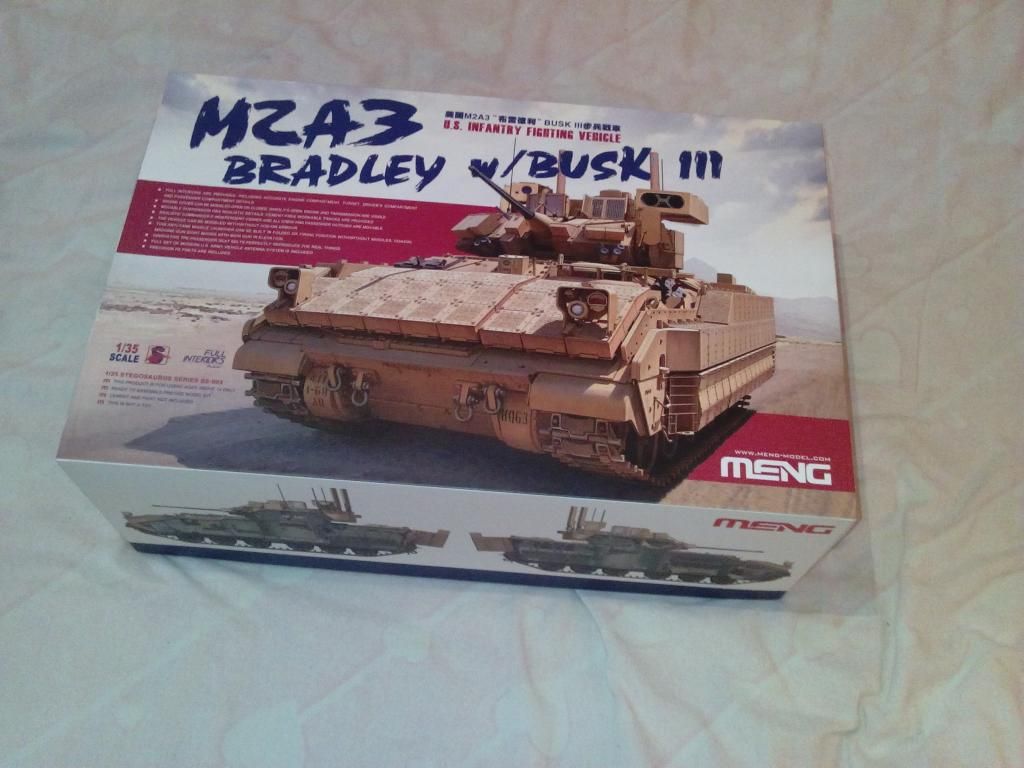
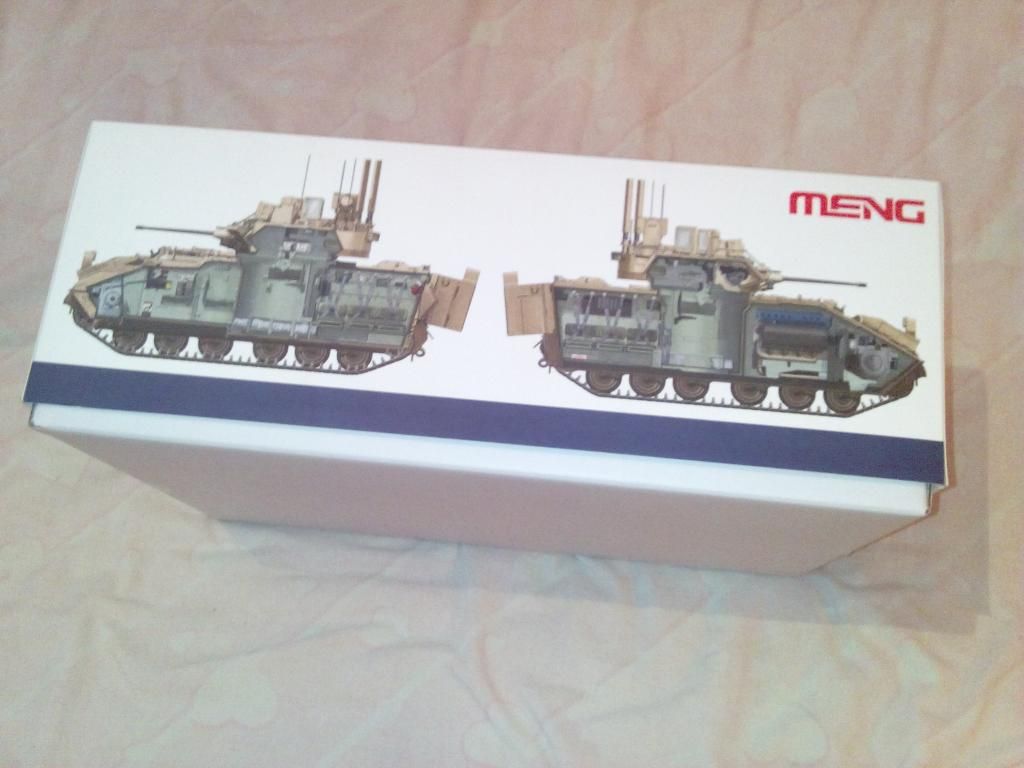
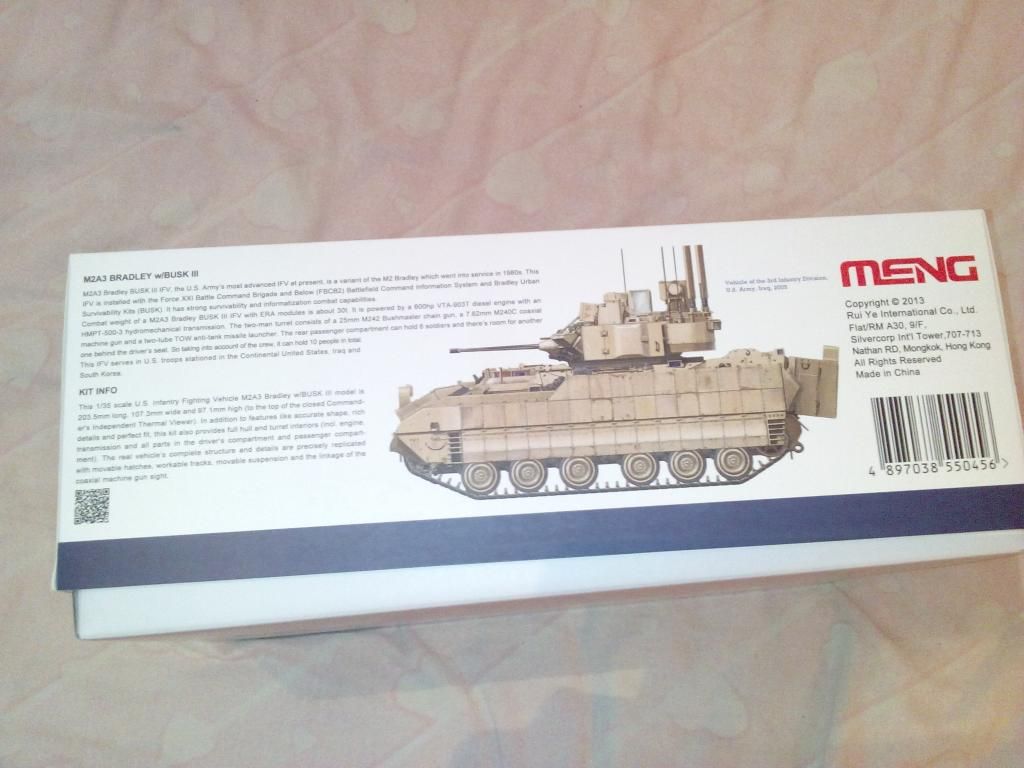
I am assuming that most of you have seen Puls indepth review of this kit so to save time and space i have taken shots of the sprues together instead of indiviually
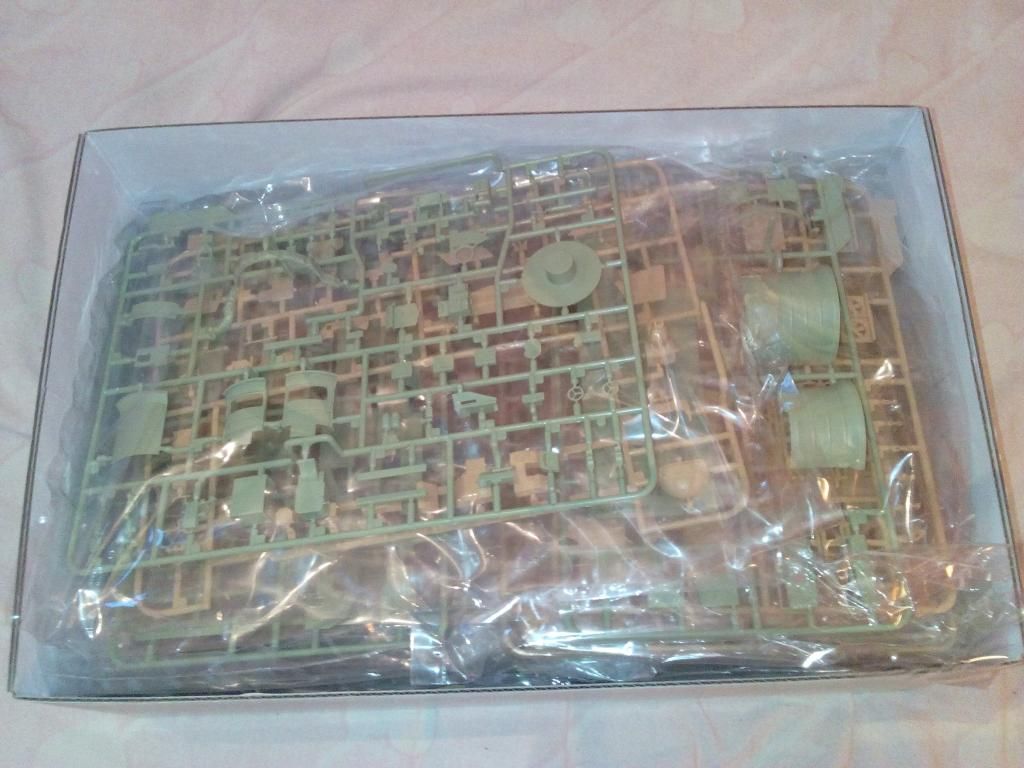
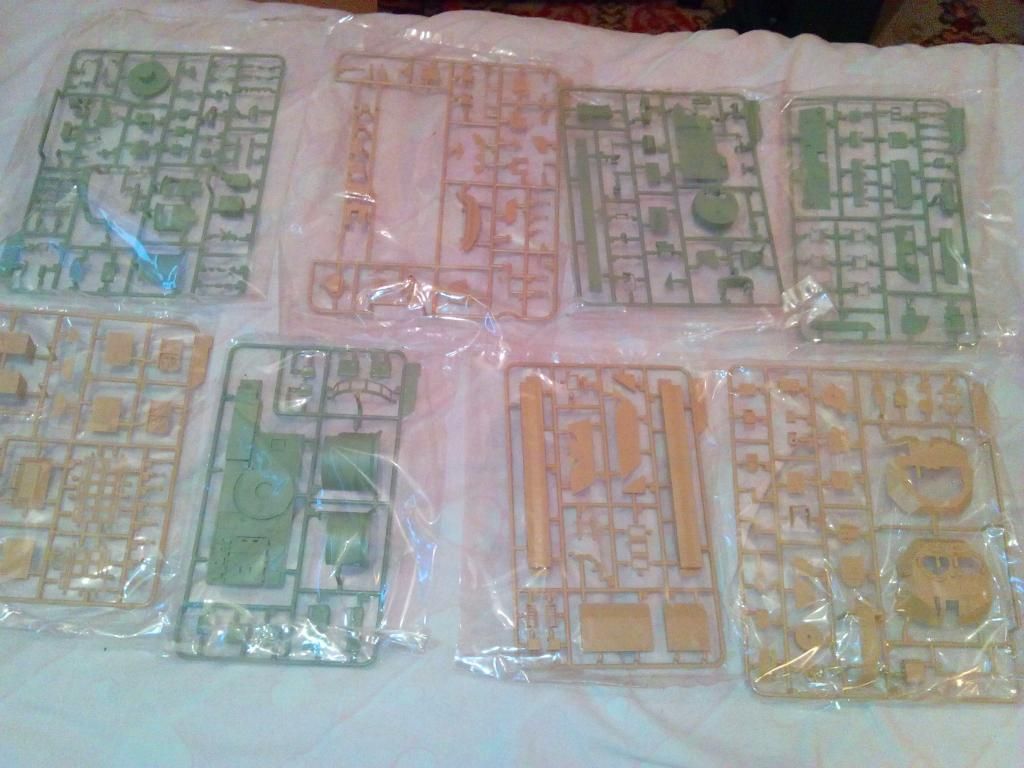
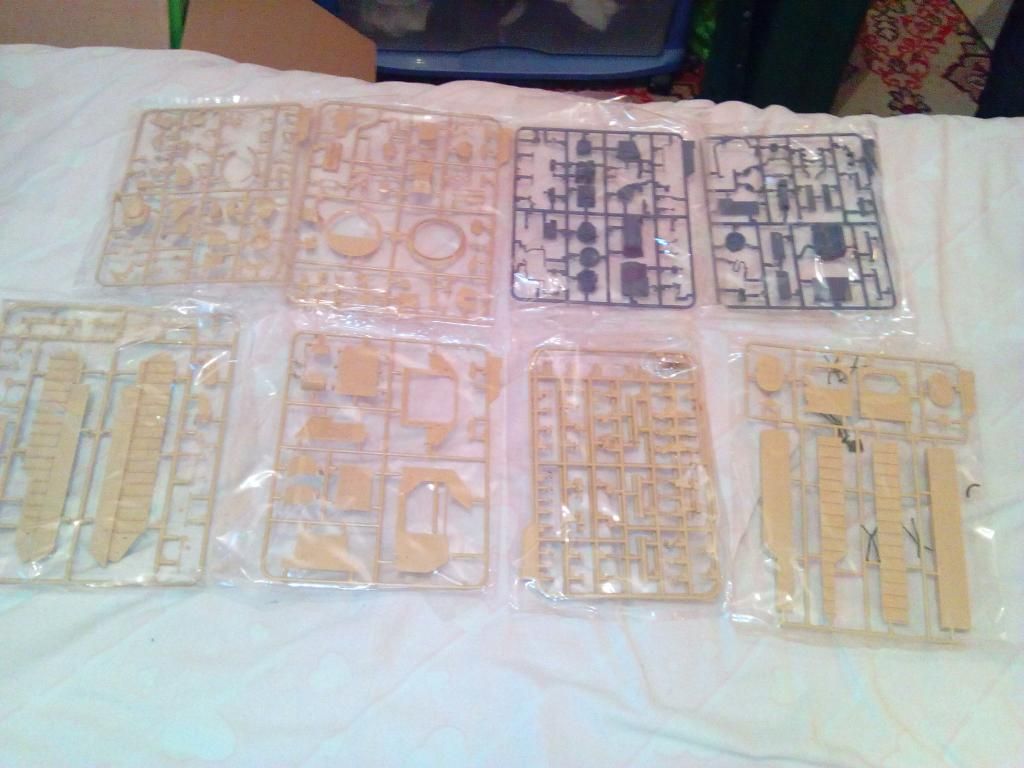
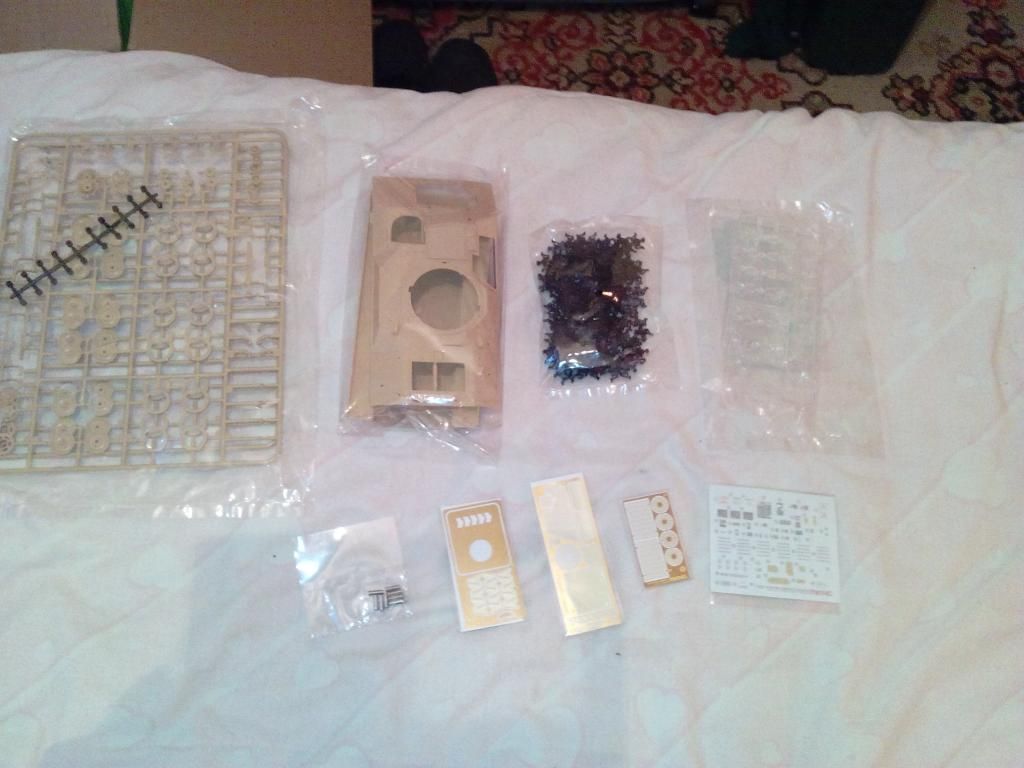
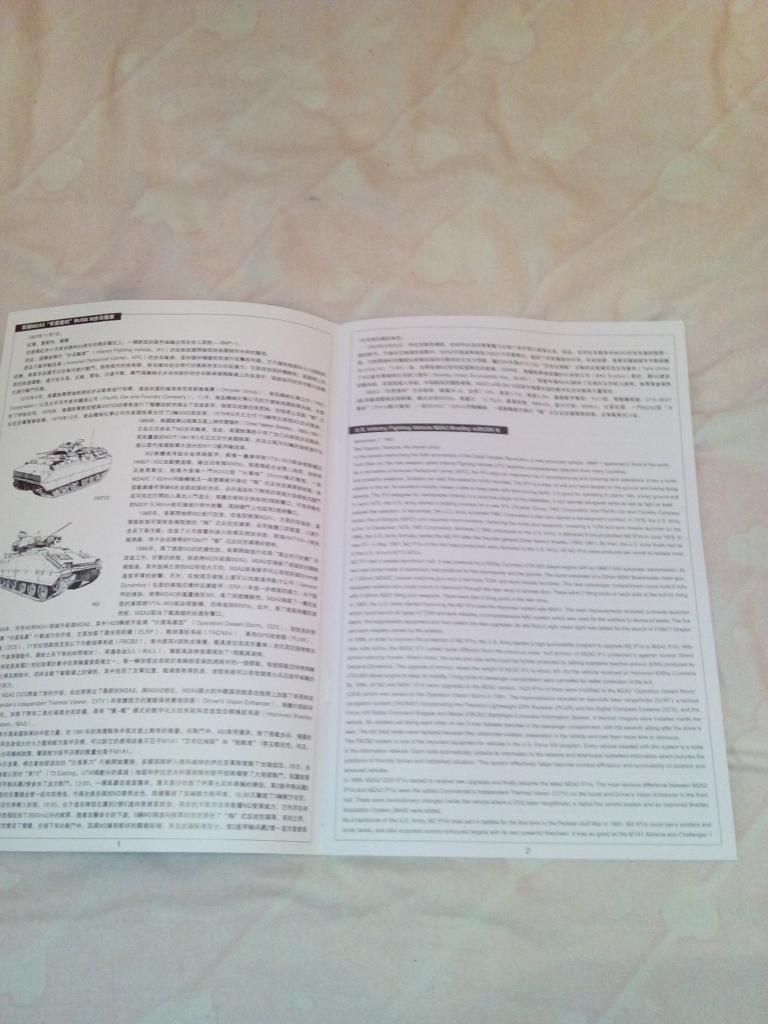
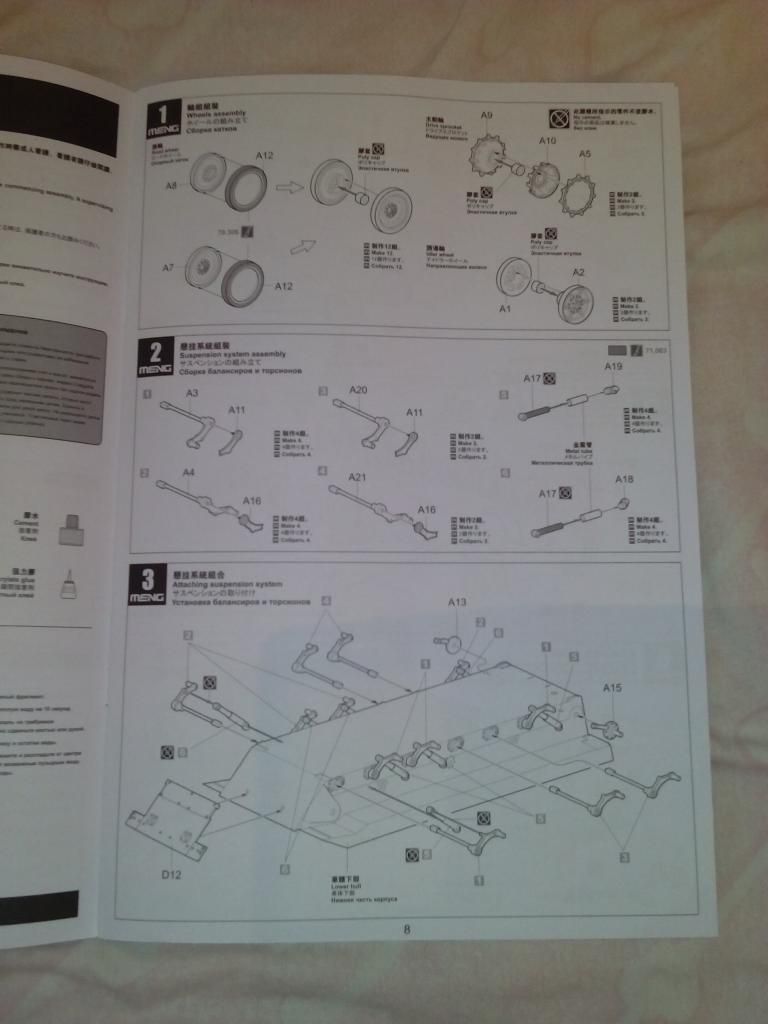
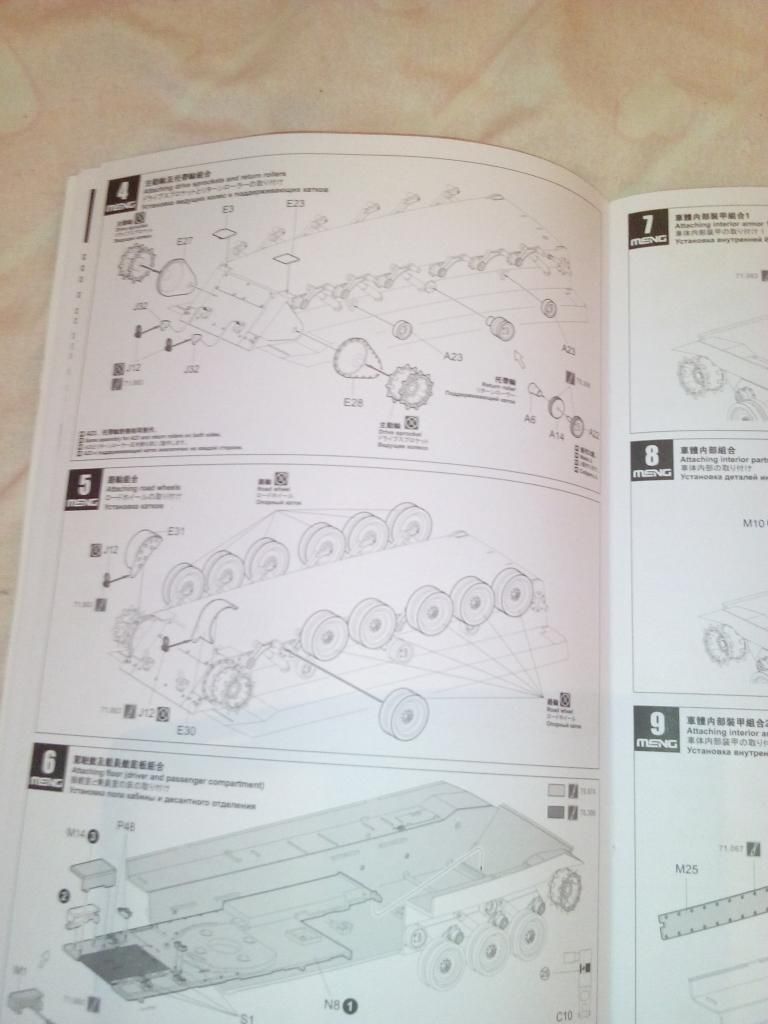
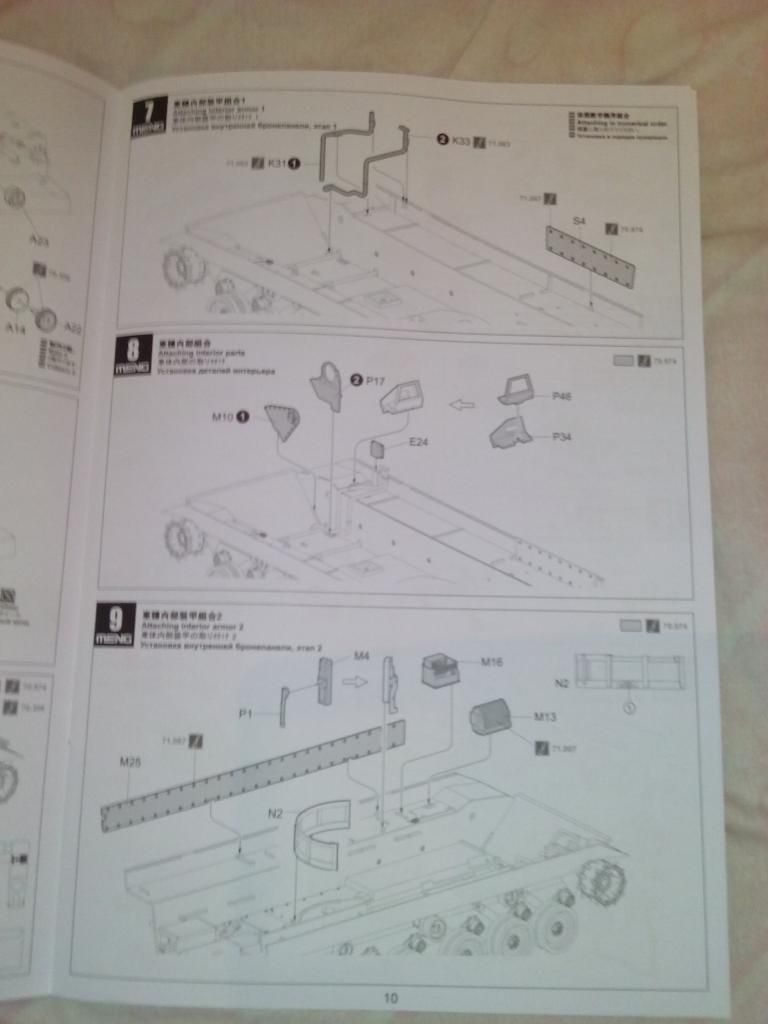
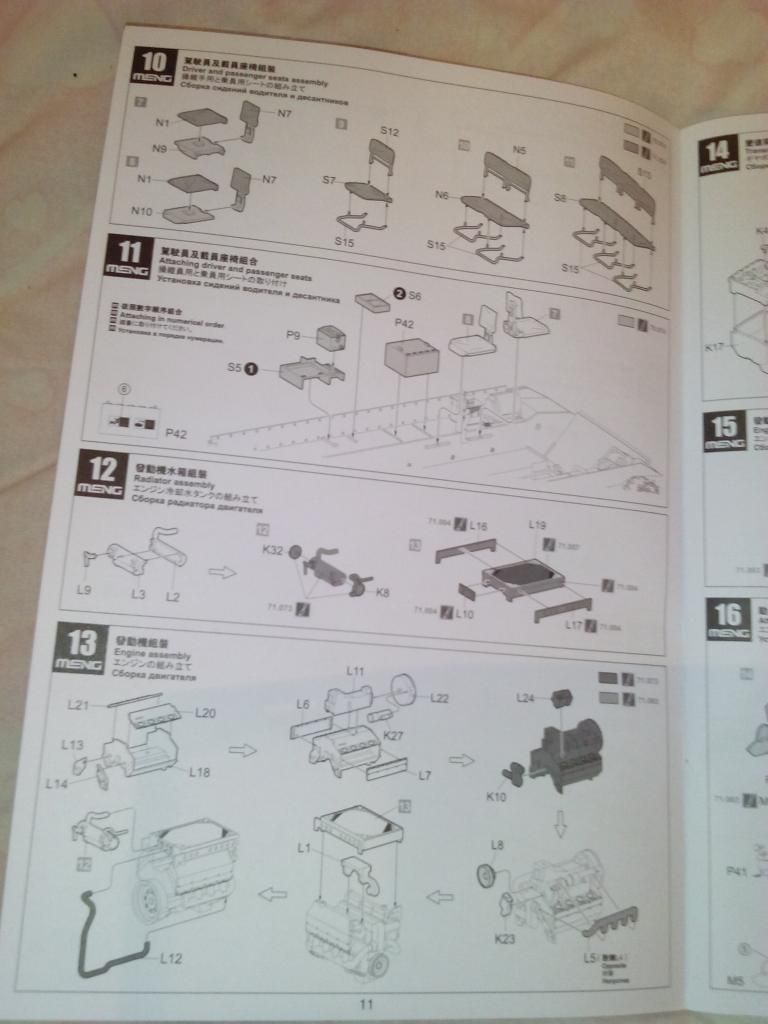
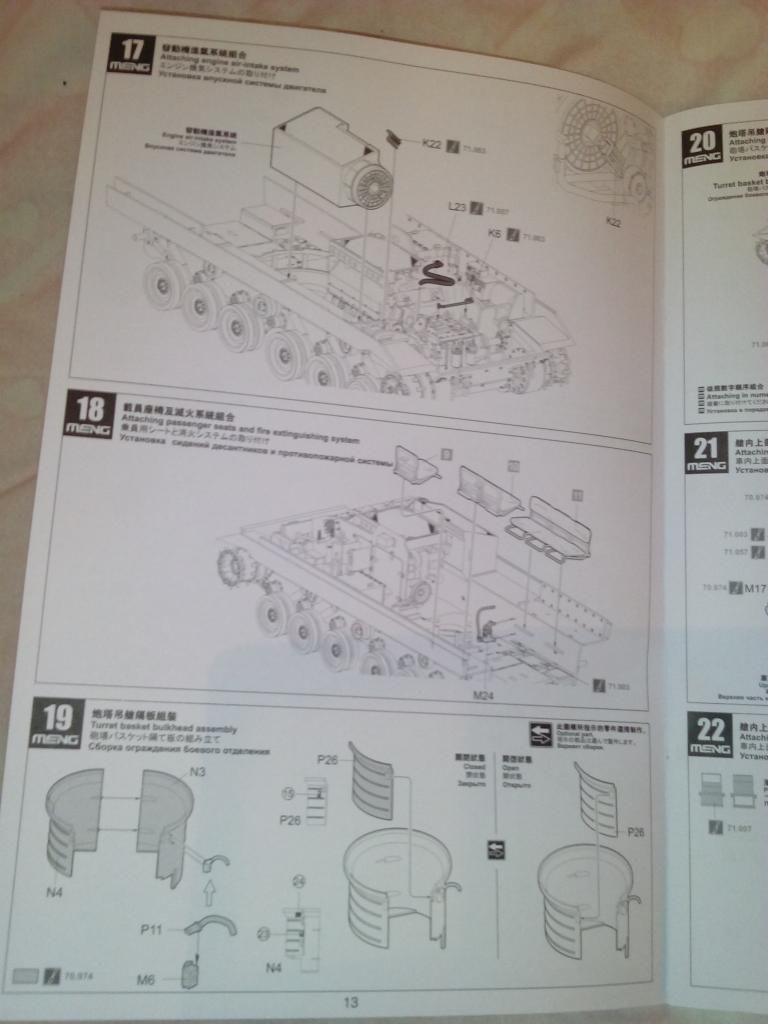
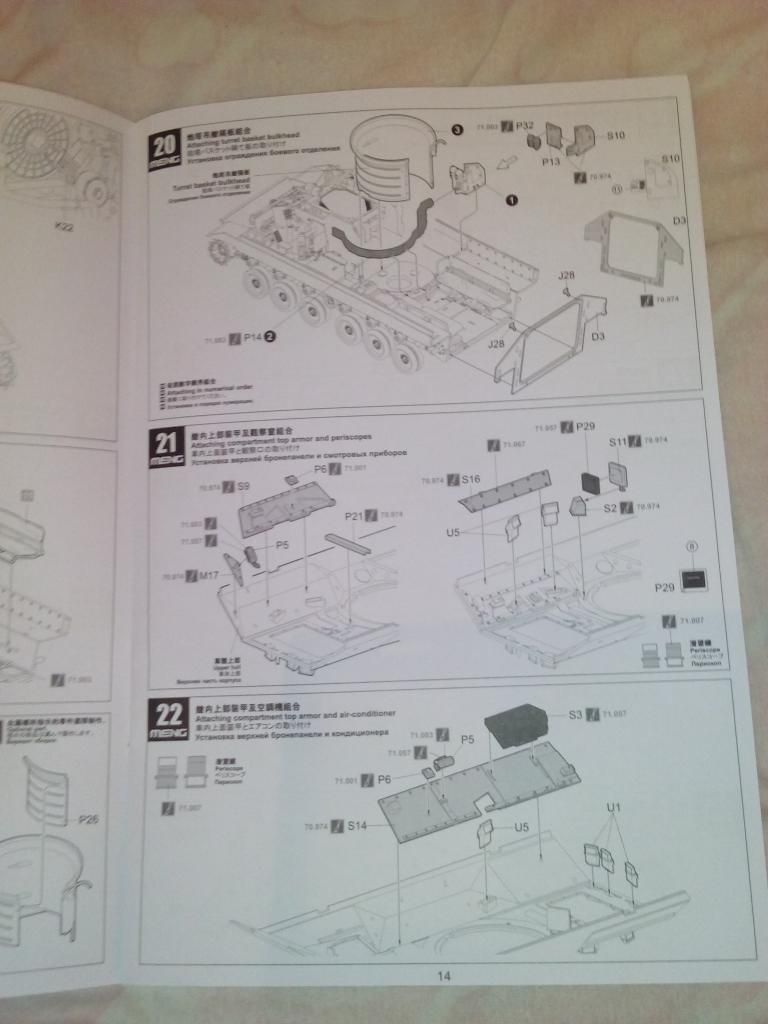
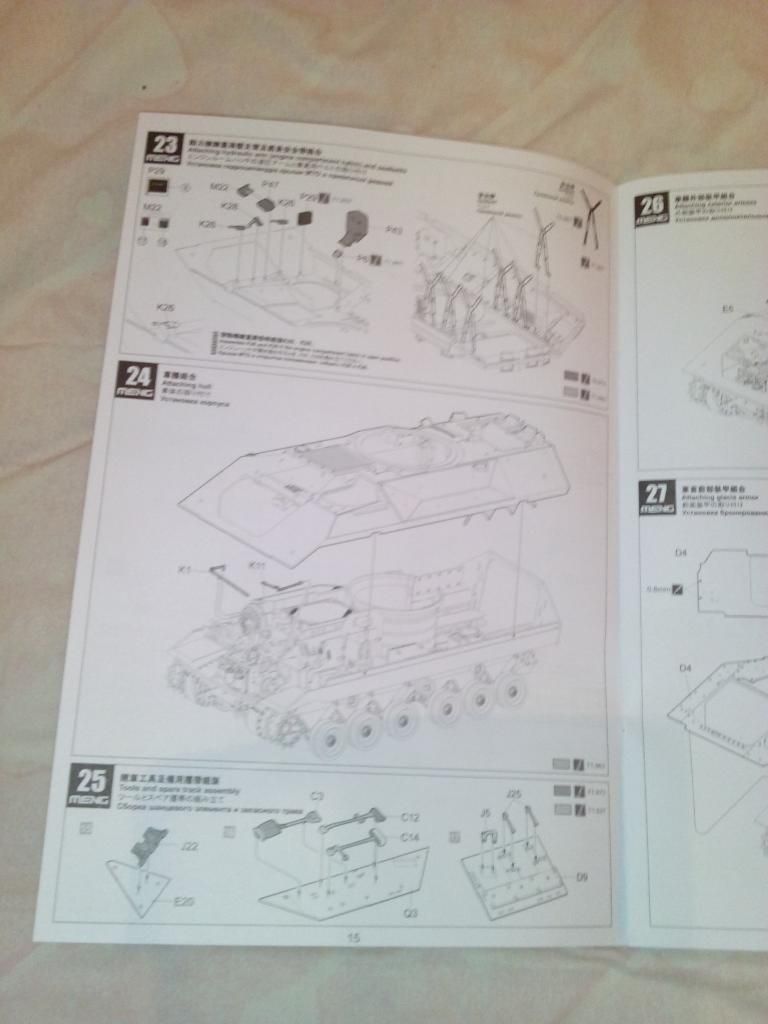
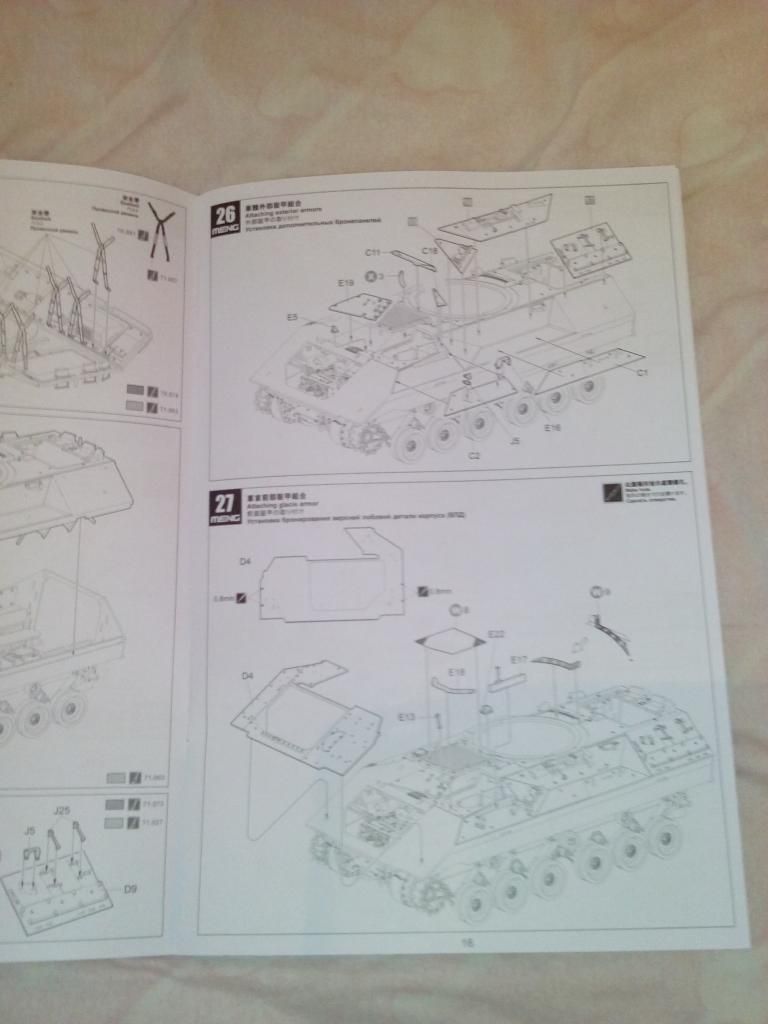
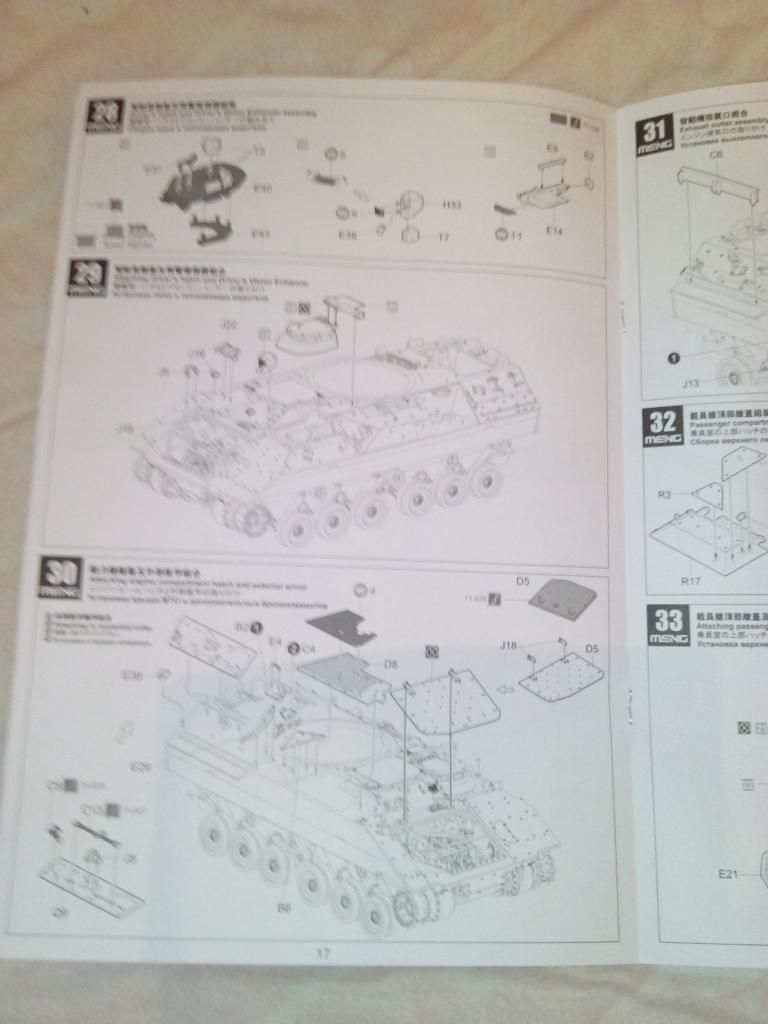
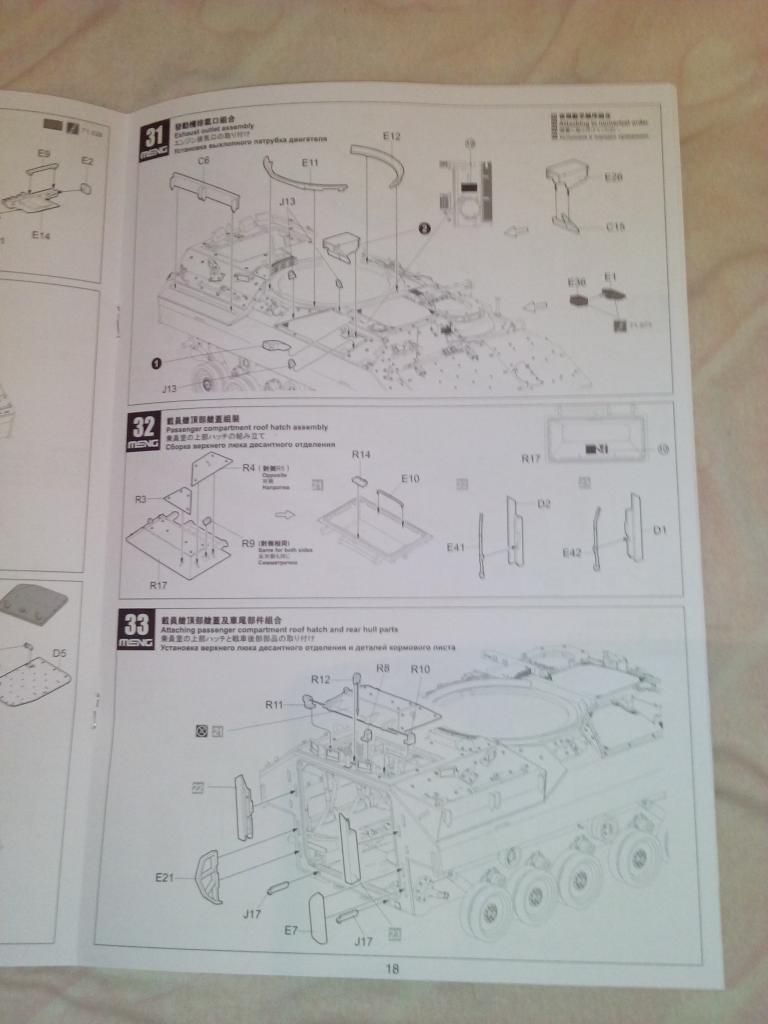
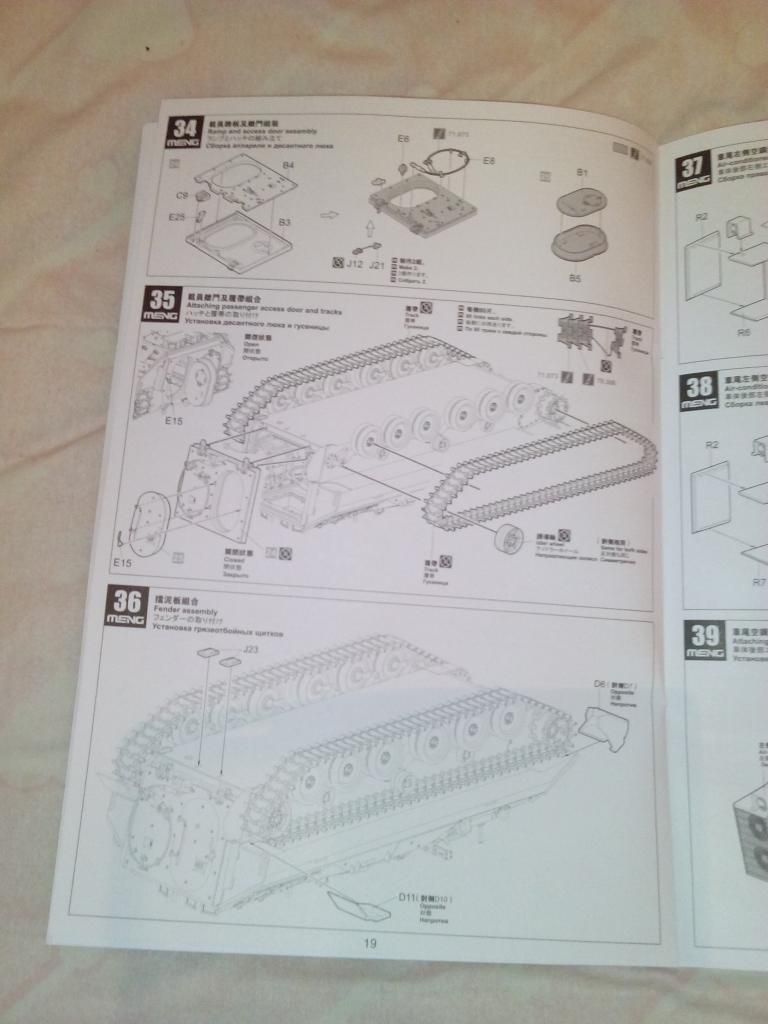
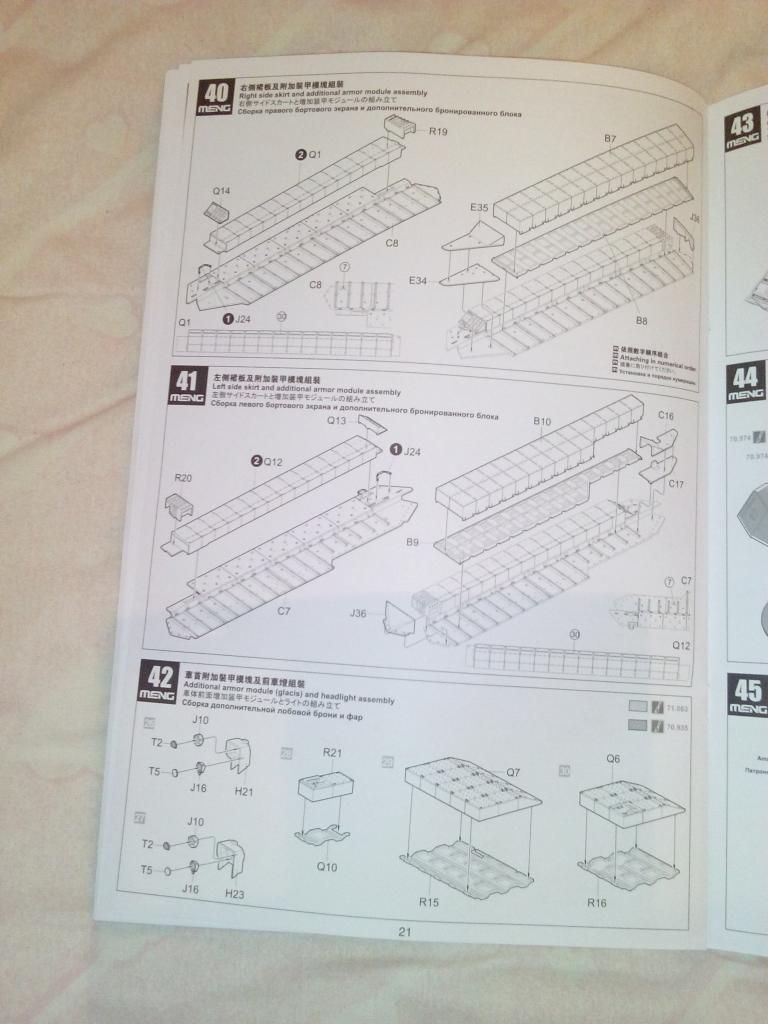
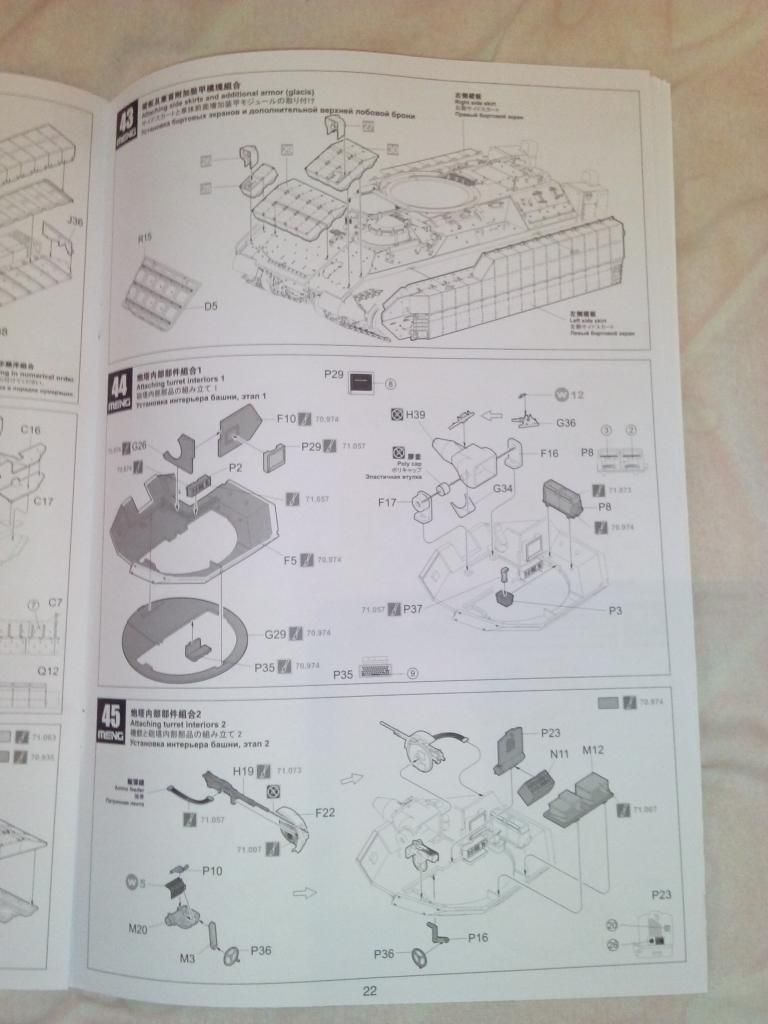
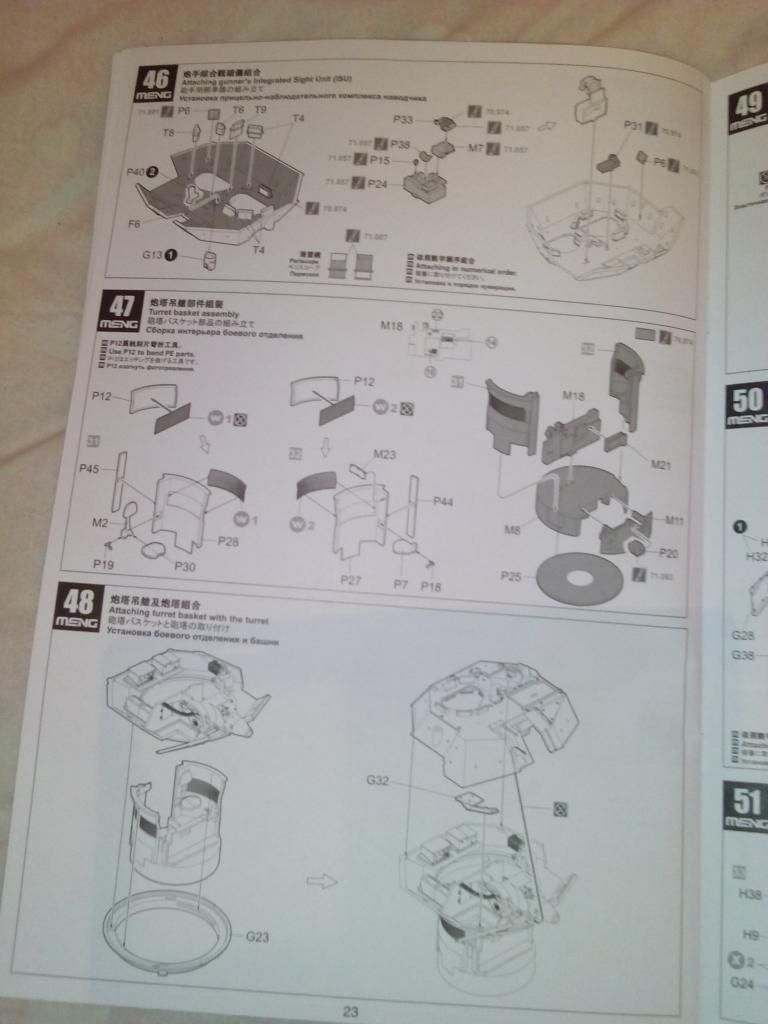
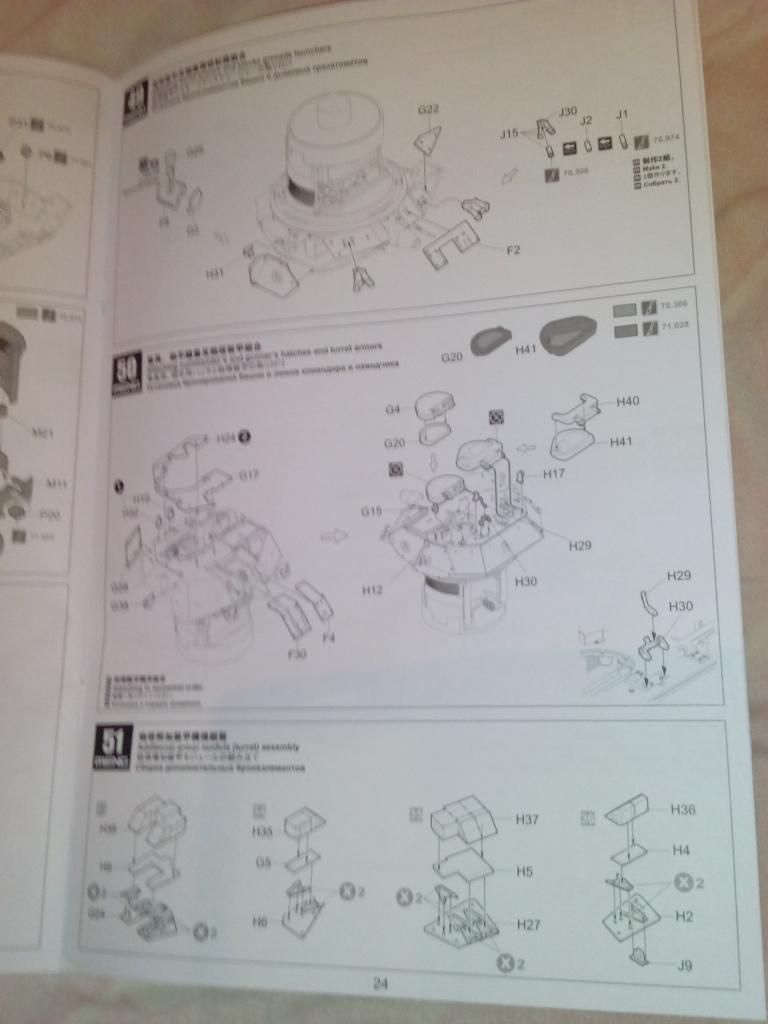
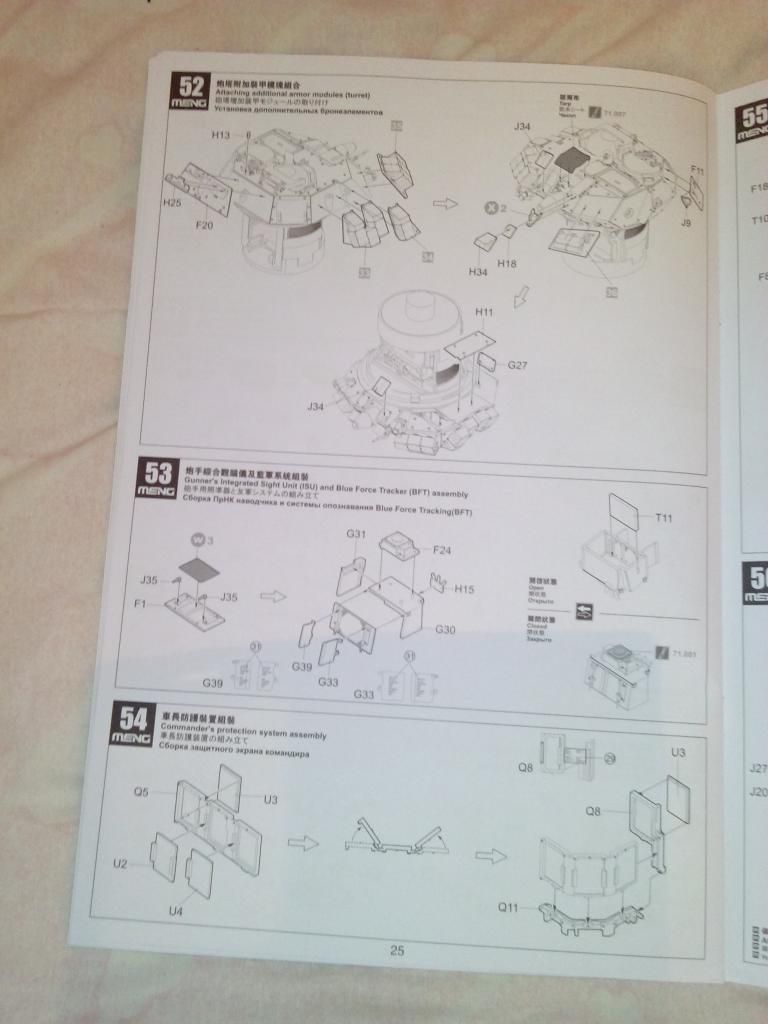
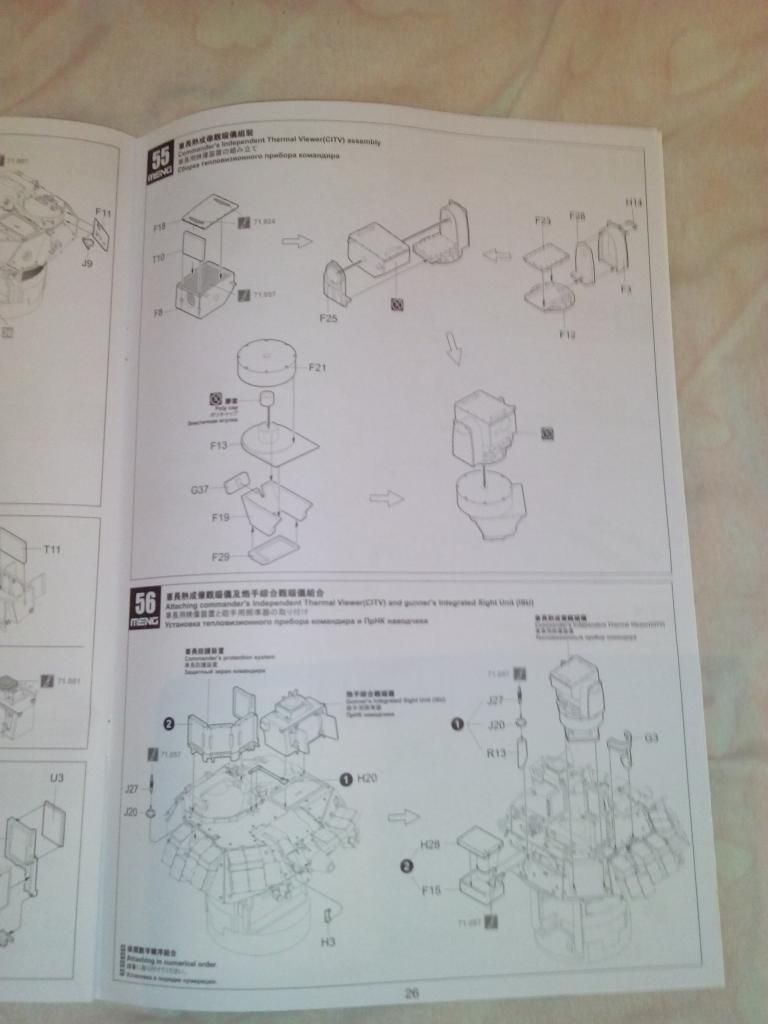
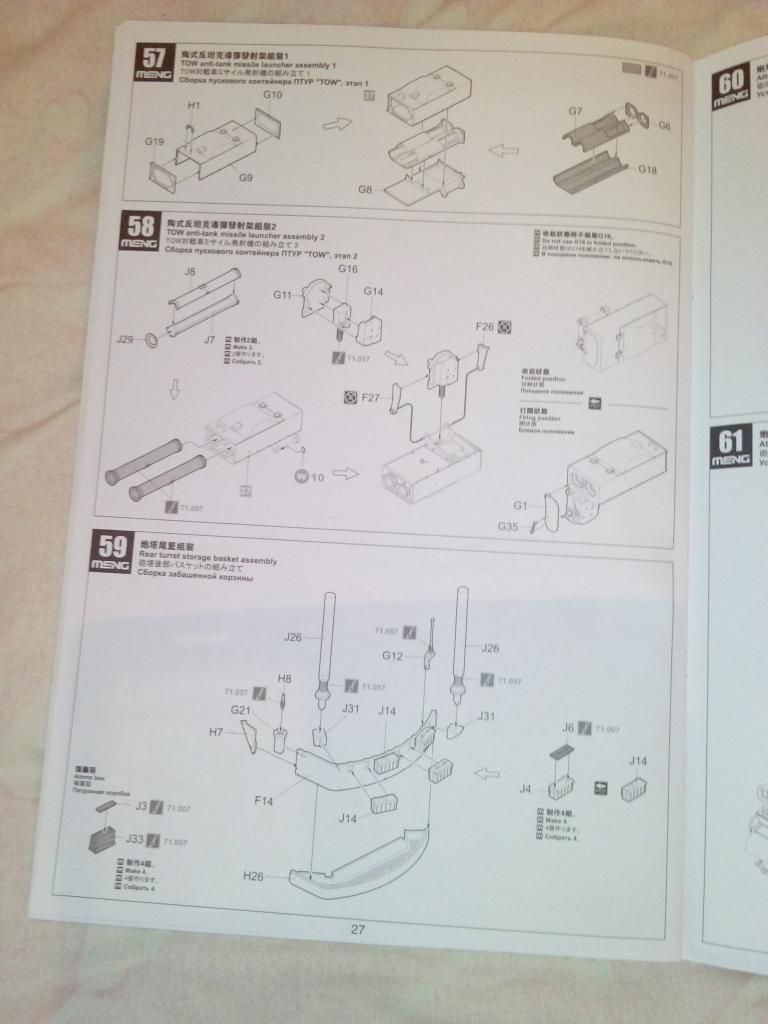
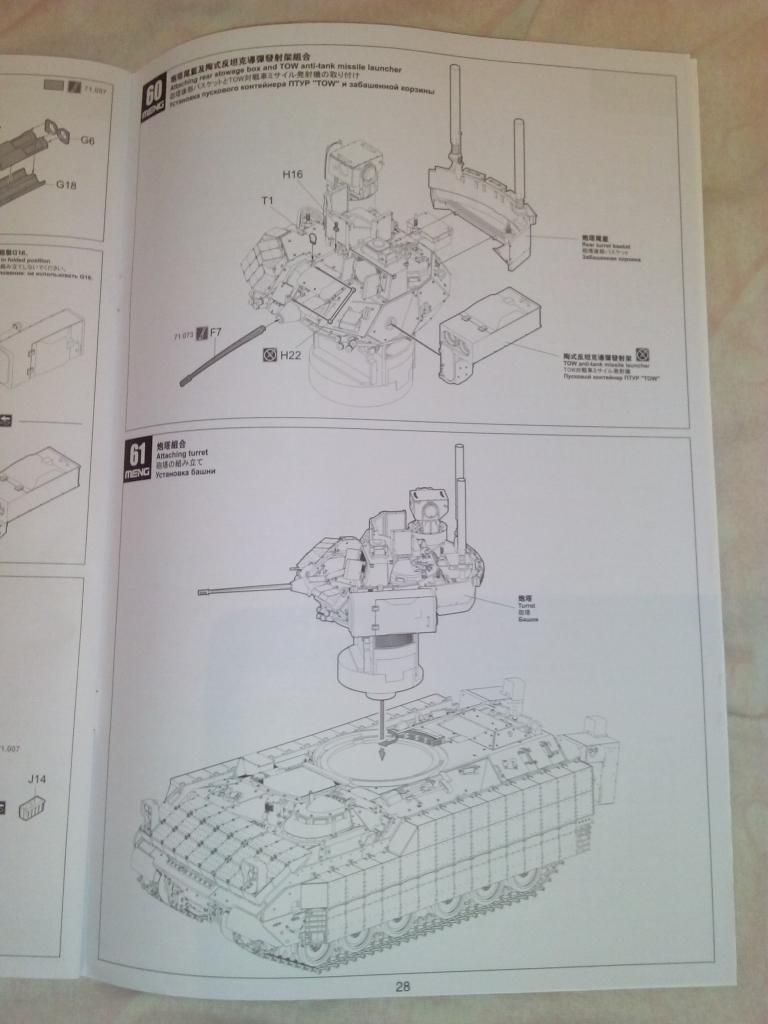
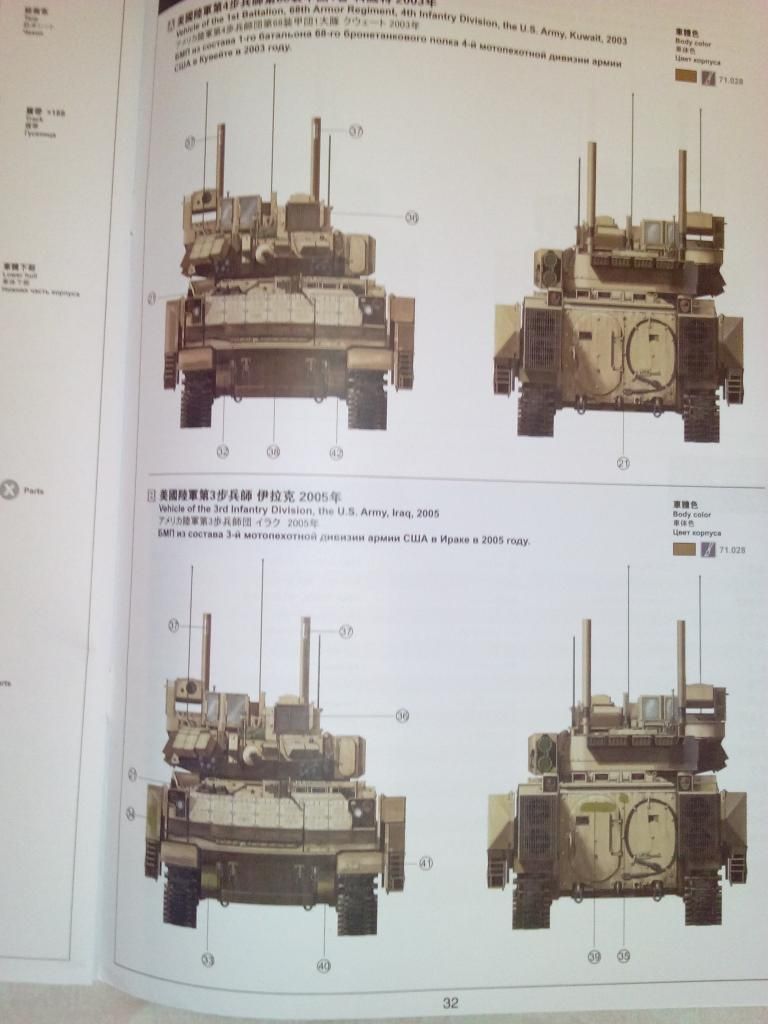
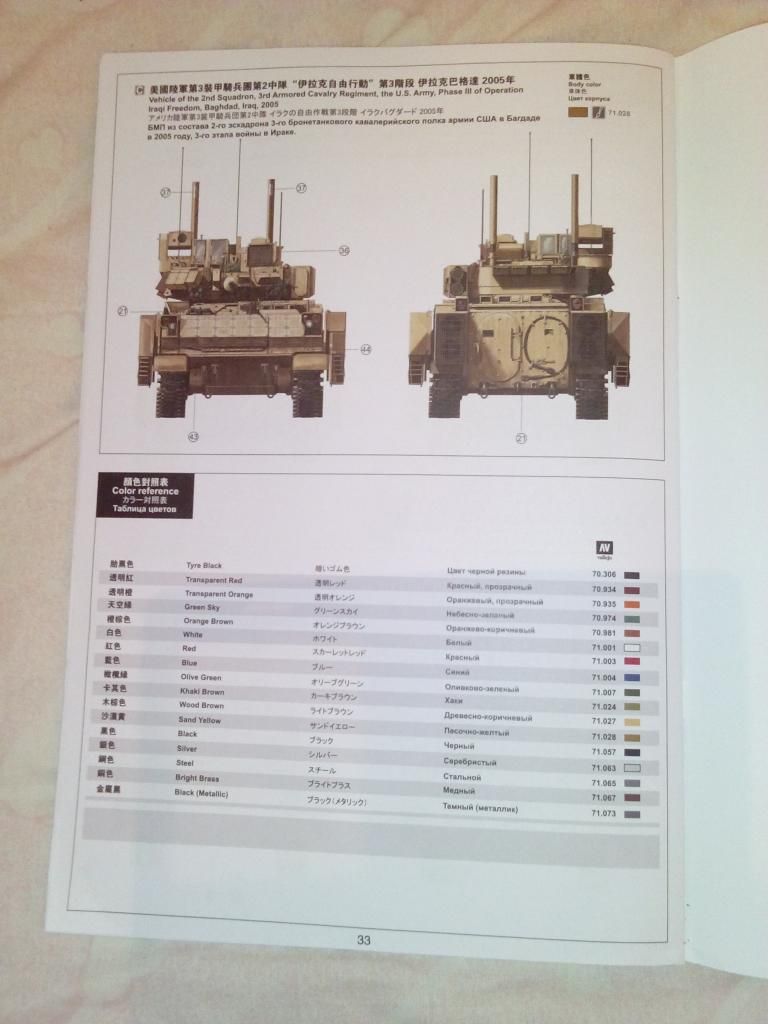
The instructions look good and easy to follow
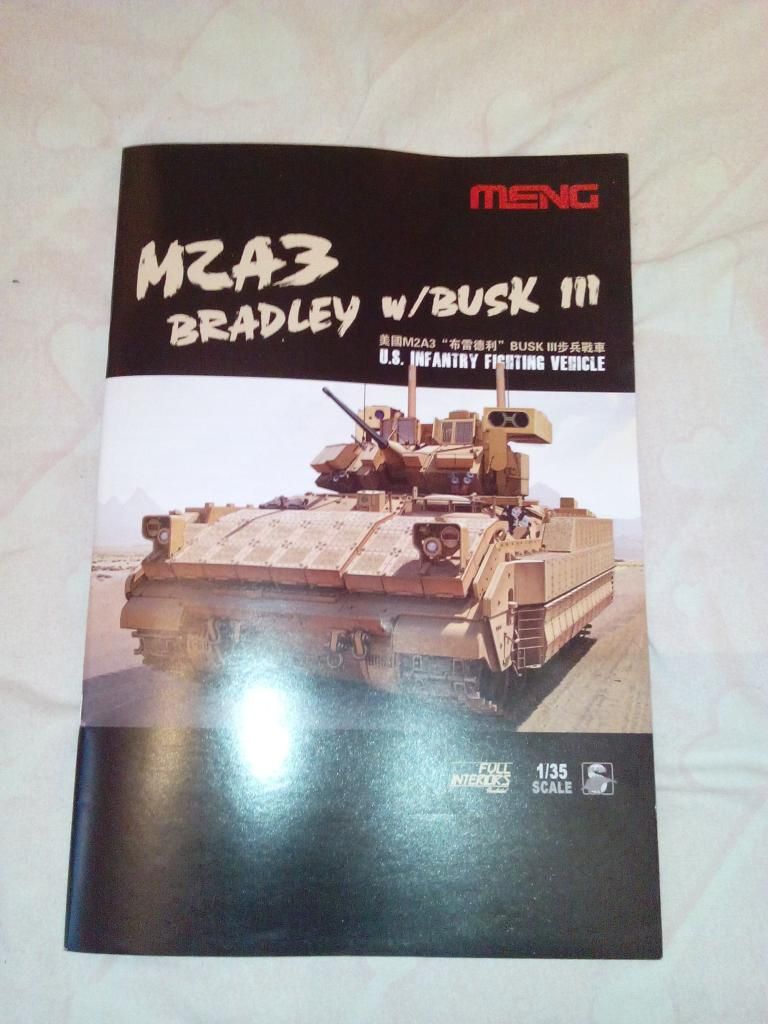
The History bit
The Bradley fighting vehicle is manufactured by BAE Systems Land & Armaments (formerly United Defence) and includes the M2 infantry fighting vehicle and the M3 cavalry fighting vehicle. It is in service with the armies of the USA and Saudi Arabia. Since 1981, 6,720 vehicles of both types have been fielded.
The role of the M2 infantry fighting vehicle is to transport infantry on the battlefield, to provide fire cover to dismounted troops and to suppress enemy tanks and fighting vehicles. The M2 carries three crew, commander, gunner and driver, plus six fully equipped infantry men.
The M3 performs scout missions and carries three crew plus two scouts.
Bradley M2A3 / M3A3 upgrade programme
The US Army A3 Bradley upgrade programme includes improvements based on operational experience in the Gulf War. The first low-rate initial production M2A3 / M3A3 Bradley was delivered in November 1998 and entered service in April 2000. The system was approved for full-rate production in May 2001.
"The Bradley vehicle system includes the M2 infantry-fighting and the M3 cavalry-fighting vehicles."
The upgrade of 120 vehicles (80 M2A3, 29 M3A3 and 11 A3 BFIST fire support) was ordered in February 2005. In June 2005, a contract for the upgrade of an additional 450 vehicles to A3 standard was placed.
Over 3,390 vehicles have been upgraded by October 2010.
In October 2010, BAE Systems was awarded a $91m contract to replace the old and damaged systems of the 552 Bradley vehicles of the US Army. In November 2010, the US Army placed a $250m contract to procure long-lead items for 247 Bradley Operation Desert Storm Situational Awareness (ODS-SA) vehicle conversion kits. A total of 202 kits have been used for the conversion of Bradley ODS vehicles to the Bradley ODS-SA configuration and remaining will be retained for future vehicle conversions. A further $270m contract was awarded for the conversion of 245 ODS-SA vehicles in October 2011.
In February 2011, BAE Systems received a $47m contract to update 95 Bradley vehicles with new equipment and technology.
In August 2006, a follow on contract was awarded for 96 vehicles (57 M2A3, 16 A3 BFIST and 22 A2 ODS BFIST) and, in November 2006, for 610 vehicles (490 A3 and 120 A2ODS). In July 2007 a further 172 vehicles (108 A2, 60 A3, four BFIST) were contracted. The US Army's requirement is for 2,545 upgraded Bradley A3 vehicles.
The upgrade includes the improved Bradley acquisition system (IBAS) for the TOW missile from DRS Technologies and commander's independent thermal viewer (CITV), from Raytheon which use second generation thermal imagers derived from the US Army's horizontal technology initiative (HTI). The imagers are based on a 480×4 scanning infrared focal plane array.
The IBAS also has day TV and direct view optics, automatic dual target tracking, eyesafe laser rangefinder and two-axis stabilised head mirror. The thermal imaging DRS Technologies driver's vision enhancer (DVE), AN\VAS-5, uses a 320×240 uncooled ferroelectric scanning array. A combat identification system is being installed. The electronics system includes a databus with central processors and digital information displays for commander, driver and squad leader.
Bradley urban survivability kit (BUSK)
Under a contract awarded in January 2008, BAE Systems supplied 952 Bradley urban survivability kits (BUSK). BUSK includes: high-powered, hand-held directional spotlight, sight protection for the turret external optics consisting of a mesh encased in a steel frame and a lightweight, non-conductive 'dome tent' structure to protect turret and crew from low-hanging electrical power lines.
A commander's light automatic weapon (CLAW) – a 5.56mm light machine gun integrated with the A3 fire control system and fired under armour – is under development for the BUSK as well as additional armour to counter the effects of mines and improvised explosive devices (IED). Syracuse Research Corporation is supplying CREW-2 electronic warfare systems for 1691 Bradley vehicles. CREW-2 is designed to jam remotely controlled IEDs to prevent the detonation of roadside bombs.
Under contracts placed in October 2008, BUSK also included fire detection/suppression systems and advanced survivability seats.
Stats
Type Armored fighting vehicle
Place of origin United States
Service history
In service 1981–present
Used by See Operators below
Production history
Number built 6,720[1]
Variants See Variants below
Specifications
Weight 27.6 t (4,350 st)
Length 6.55 m (21.5 ft)
Width 3.6 m (12 ft)
Height 2.98 m (9.8 ft)
Crew 3 + variable number of passengers depending on variant
Armor Spaced laminate armor: 30 mm AP and RPG all around protection.[2][3] explosive reactive armor.
Main
armament
25 mm M242 chain gun
TOW anti-tank missile
Secondary
armament
7.62 mm M240C machine gun
Engine Cummins VTA-903T diesel
600 hp (450 kW)
Power/weight 19.74 hp/tonne
Suspension torsion bar
Operational
range
483 km (300 mi)
Speed 66 km/h (41 mph)
The Bradley Fighting Vehicle (BFV) is an American fighting vehicle platform manufactured by BAE Systems Land and Armaments, formerly United Defense. It was named after U.S. General Omar Bradley.


I am assuming that most of you have seen Puls indepth review of this kit so to save time and space i have taken shots of the sprues together instead of indiviually


The instructions look good and easy to follow


The History bit
The Bradley fighting vehicle is manufactured by BAE Systems Land & Armaments (formerly United Defence) and includes the M2 infantry fighting vehicle and the M3 cavalry fighting vehicle. It is in service with the armies of the USA and Saudi Arabia. Since 1981, 6,720 vehicles of both types have been fielded.
The role of the M2 infantry fighting vehicle is to transport infantry on the battlefield, to provide fire cover to dismounted troops and to suppress enemy tanks and fighting vehicles. The M2 carries three crew, commander, gunner and driver, plus six fully equipped infantry men.
The M3 performs scout missions and carries three crew plus two scouts.
Bradley M2A3 / M3A3 upgrade programme
The US Army A3 Bradley upgrade programme includes improvements based on operational experience in the Gulf War. The first low-rate initial production M2A3 / M3A3 Bradley was delivered in November 1998 and entered service in April 2000. The system was approved for full-rate production in May 2001.
"The Bradley vehicle system includes the M2 infantry-fighting and the M3 cavalry-fighting vehicles."
The upgrade of 120 vehicles (80 M2A3, 29 M3A3 and 11 A3 BFIST fire support) was ordered in February 2005. In June 2005, a contract for the upgrade of an additional 450 vehicles to A3 standard was placed.
Over 3,390 vehicles have been upgraded by October 2010.
In October 2010, BAE Systems was awarded a $91m contract to replace the old and damaged systems of the 552 Bradley vehicles of the US Army. In November 2010, the US Army placed a $250m contract to procure long-lead items for 247 Bradley Operation Desert Storm Situational Awareness (ODS-SA) vehicle conversion kits. A total of 202 kits have been used for the conversion of Bradley ODS vehicles to the Bradley ODS-SA configuration and remaining will be retained for future vehicle conversions. A further $270m contract was awarded for the conversion of 245 ODS-SA vehicles in October 2011.
In February 2011, BAE Systems received a $47m contract to update 95 Bradley vehicles with new equipment and technology.
In August 2006, a follow on contract was awarded for 96 vehicles (57 M2A3, 16 A3 BFIST and 22 A2 ODS BFIST) and, in November 2006, for 610 vehicles (490 A3 and 120 A2ODS). In July 2007 a further 172 vehicles (108 A2, 60 A3, four BFIST) were contracted. The US Army's requirement is for 2,545 upgraded Bradley A3 vehicles.
The upgrade includes the improved Bradley acquisition system (IBAS) for the TOW missile from DRS Technologies and commander's independent thermal viewer (CITV), from Raytheon which use second generation thermal imagers derived from the US Army's horizontal technology initiative (HTI). The imagers are based on a 480×4 scanning infrared focal plane array.
The IBAS also has day TV and direct view optics, automatic dual target tracking, eyesafe laser rangefinder and two-axis stabilised head mirror. The thermal imaging DRS Technologies driver's vision enhancer (DVE), AN\VAS-5, uses a 320×240 uncooled ferroelectric scanning array. A combat identification system is being installed. The electronics system includes a databus with central processors and digital information displays for commander, driver and squad leader.
Bradley urban survivability kit (BUSK)
Under a contract awarded in January 2008, BAE Systems supplied 952 Bradley urban survivability kits (BUSK). BUSK includes: high-powered, hand-held directional spotlight, sight protection for the turret external optics consisting of a mesh encased in a steel frame and a lightweight, non-conductive 'dome tent' structure to protect turret and crew from low-hanging electrical power lines.
A commander's light automatic weapon (CLAW) – a 5.56mm light machine gun integrated with the A3 fire control system and fired under armour – is under development for the BUSK as well as additional armour to counter the effects of mines and improvised explosive devices (IED). Syracuse Research Corporation is supplying CREW-2 electronic warfare systems for 1691 Bradley vehicles. CREW-2 is designed to jam remotely controlled IEDs to prevent the detonation of roadside bombs.
Under contracts placed in October 2008, BUSK also included fire detection/suppression systems and advanced survivability seats.
Stats
Type Armored fighting vehicle
Place of origin United States
Service history
In service 1981–present
Used by See Operators below
Production history
Number built 6,720[1]
Variants See Variants below
Specifications
Weight 27.6 t (4,350 st)
Length 6.55 m (21.5 ft)
Width 3.6 m (12 ft)
Height 2.98 m (9.8 ft)
Crew 3 + variable number of passengers depending on variant
Armor Spaced laminate armor: 30 mm AP and RPG all around protection.[2][3] explosive reactive armor.
Main
armament
25 mm M242 chain gun
TOW anti-tank missile
Secondary
armament
7.62 mm M240C machine gun
Engine Cummins VTA-903T diesel
600 hp (450 kW)
Power/weight 19.74 hp/tonne
Suspension torsion bar
Operational
range
483 km (300 mi)
Speed 66 km/h (41 mph)
The Bradley Fighting Vehicle (BFV) is an American fighting vehicle platform manufactured by BAE Systems Land and Armaments, formerly United Defense. It was named after U.S. General Omar Bradley.


 Your painting and decaling really made that interior pop!


