Hillbilly's Tamiya Panzer II Ausf.F
Posted: Sat Sep 24, 2016 11:30 pm
Hello all  After a busy summer has stated to wind down it's time to get back to the bench.When this GB was announced I knew what kit I had to build-the classic Tamiya Panzer II.This kit has been around for ages(the hull is stamped 1971
  ) and no GB saluting Tamiya would be proper without one
  Anyway I am going to build the version fielded by the 15th Panzer Division serving in North Africa.Below is some info on the tank and some history of the 15th in Africa.
Panzerkampfwagen II (PzKpfw II)
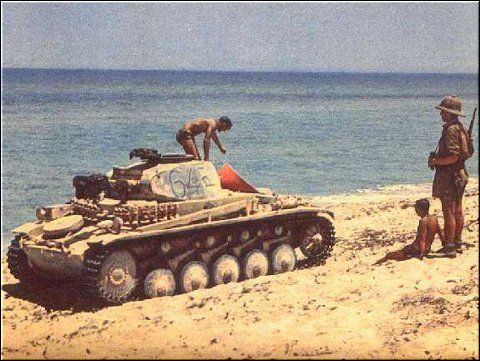
In 1934, delays in the design and production of the Panzer III and Panzer IV tanks were becoming apparent. Designs for a stopgap tank were solicited from Krupp, MAN, Henschel, and Daimler-Benz. The final design was based on the Panzer I, but larger, and with a turret mounting a 20 mm anti-tank gun. Production began in 1935, but it took another eighteen months for the first combat-ready tank to be delivered.
The Panzer II was the most numerous tank in the German Panzer divisions beginning with the invasion of France, until it was supplemented by the Panzer III and IV in 1940/41. Afterwards, it was used to great effect as a reconnaissance tank.
The Panzer II was used in the German campaigns in Poland, France, the Low Countries, Denmark, Norway, North Africa and the Eastern Front. After being removed from front-line duty, it was used for training and on secondary fronts. The chassis was used for a number of self-propelled guns including the Wespe and Marder II.
15th Panzer division in North Africa.
The division was transported to Libya in April 1941, joining General Erwin Rommel's Deutsches Afrikakorps (DAK) with the 21st Panzer and the 90th Light Divisions.
By June 15 it was deployed in reserve to the south of Bardia and took part in a successful defensive operation during Operation Battleaxe at Halfaya Pass.
On November 18th British forces began Operation Crusader with the objective of relieving the besieged forces at Tobruk. The 15th was situated to the east of Tobruk, and by November 20 they joined the 21st Panzer Division in fighting the armoured forces of the British XXX Corps. With XXX Corps situated on the approaches to Tobruk, Rommel sent his panzer divisions on a rapid advance to the east, threatening the British rear. However the British continued to advance on Tobruk and by November 27, they had linked up with the fortress. The Axis forces were forced to withdraw. Rommel halted at El Agheila on December 31, 1941 for refitting his depleted forces. By January 21 he was ready to advance again, the DAK and Italian forces began another march to the east. The British Eighth Army had drawn up in mine-fortified positions around the coastal town of Gazala, to the west of Tobruk. The 15th Panzer was deployed with other Axis armour on their southern flank, with infantrymen holding the northern part of the line. The Axis began their attack on May 26, with the DAK sweeping around the southern end of the British line. They were met by British armoured forces and took losses in tanks. Without a supply line, the Germans had to withdraw into a "Cauldron" position of the front until supplies could be moved through the minefields.They began their breakout on June 11, advancing to the east and threatening to encircle the British. The Eighth Army was forced to withdraw, leaving Tobruk encircled once more. This time, however, the Tobruk fortifications were weaker.
An attack on June 20, which included 15th Panzer, captured the town and the garrison. The Axis forces began a rapid advance to the east. Much of XXX Corps' armour had been destroyed at Gazala, so a stand at Mersa Matruh on June 26 was quickly broken. In this battle the 15th Panzer Division was held up by the British 1st Armoured Division, but the remainder of the DAK broke through to the north.
At the beginning of July the Eighth Army had reached their final defensive position before Alexandria at the rail junction of El Alamein. The DAK was understrength from its recent battles, but Rommel attempted an attack along Ruweisat with the 15th Panzer and the remainder of the DAK. Only minor progress was made, British counterattacks and mounting German losses caused Rommel to call off the attack on July 22.
Another attack was attempted on August 30, with Rommel's armoured forces attacking the southern flank. The 15th Panzer Division reached as far as the Alam Halfa ridge on September 1, but failed to break through the British defences. At this point Rommel went on the defensive and began to build a comprehensive position with deep minefields. The 15th Panzer Division formed the reserve in the northern part of the front, with the 21st Panzer to the south.
With the able General Bernard Montgomery taking charge of the Allied forces, the Eighth Army underwent a steady buildup that the Axis forces could not match. By October 23, Montgomery's forces were ready and they began an attack on the northern front. Counterattacks by 15th Panzer failed to halt the advance; by November 4 British tanks had achieved a breakout.
Now began a period of steady British advance to the west, combined with the Allied landings (Operation Torch) in French North Africa on November 8. The remains of the 15th Panzer Division and the remainder of the Axis forces, were continually forced to withdraw.
XXX Corps reached and out-flanked the line at El Agheila on December 17, then took Tripoli on January 23, 1943. By February 18 XXX Corps reached the defensive line at Mareth in Tunisia and were forced to halt. The 21st Panzer Division was drawn away to the Kasserine Pass operation on February 22, so 15th Panzer held the Mareth Line with the remaining Italian forces.
On March 6, with the 21st Panzer having returned, the DAK counterattacked the Eighth Army at Medenine, but were repulsed. On the 20th, the British 50th Infantry Division breached the defensive position, but they were contained by the 15th Panzer Division. However the Axis position was out-flanked in the west, so by March 27 they were forced to withdraw to the north.
The Axis forces in North Africa were forced back to their final defensive position in northern Tunisia. Adolf Hitler chose this time to heavily reinforce his forces in this theatre; forces that would have been far more effective a year earlier. But by now it was too late, the US First and British Eighth Armies fought relentlessly through the Axis defences.
By May 12, 1943, all German and Italian forces in Tunisia surrendered, including the 15th Panzer Division.
After a busy summer has stated to wind down it's time to get back to the bench.When this GB was announced I knew what kit I had to build-the classic Tamiya Panzer II.This kit has been around for ages(the hull is stamped 1971 ) and no GB saluting Tamiya would be proper without one Anyway I am going to build the version fielded by the 15th Panzer Division serving in North Africa.Below is some info on the tank and some history of the 15th in Africa.Panzerkampfwagen II (PzKpfw II)

In 1934, delays in the design and production of the Panzer III and Panzer IV tanks were becoming apparent. Designs for a stopgap tank were solicited from Krupp, MAN, Henschel, and Daimler-Benz. The final design was based on the Panzer I, but larger, and with a turret mounting a 20 mm anti-tank gun. Production began in 1935, but it took another eighteen months for the first combat-ready tank to be delivered.
The Panzer II was the most numerous tank in the German Panzer divisions beginning with the invasion of France, until it was supplemented by the Panzer III and IV in 1940/41. Afterwards, it was used to great effect as a reconnaissance tank.
The Panzer II was used in the German campaigns in Poland, France, the Low Countries, Denmark, Norway, North Africa and the Eastern Front. After being removed from front-line duty, it was used for training and on secondary fronts. The chassis was used for a number of self-propelled guns including the Wespe and Marder II.
15th Panzer division in North Africa.
The division was transported to Libya in April 1941, joining General Erwin Rommel's Deutsches Afrikakorps (DAK) with the 21st Panzer and the 90th Light Divisions.
By June 15 it was deployed in reserve to the south of Bardia and took part in a successful defensive operation during Operation Battleaxe at Halfaya Pass.
On November 18th British forces began Operation Crusader with the objective of relieving the besieged forces at Tobruk. The 15th was situated to the east of Tobruk, and by November 20 they joined the 21st Panzer Division in fighting the armoured forces of the British XXX Corps. With XXX Corps situated on the approaches to Tobruk, Rommel sent his panzer divisions on a rapid advance to the east, threatening the British rear. However the British continued to advance on Tobruk and by November 27, they had linked up with the fortress. The Axis forces were forced to withdraw. Rommel halted at El Agheila on December 31, 1941 for refitting his depleted forces. By January 21 he was ready to advance again, the DAK and Italian forces began another march to the east. The British Eighth Army had drawn up in mine-fortified positions around the coastal town of Gazala, to the west of Tobruk. The 15th Panzer was deployed with other Axis armour on their southern flank, with infantrymen holding the northern part of the line. The Axis began their attack on May 26, with the DAK sweeping around the southern end of the British line. They were met by British armoured forces and took losses in tanks. Without a supply line, the Germans had to withdraw into a "Cauldron" position of the front until supplies could be moved through the minefields.They began their breakout on June 11, advancing to the east and threatening to encircle the British. The Eighth Army was forced to withdraw, leaving Tobruk encircled once more. This time, however, the Tobruk fortifications were weaker.
An attack on June 20, which included 15th Panzer, captured the town and the garrison. The Axis forces began a rapid advance to the east. Much of XXX Corps' armour had been destroyed at Gazala, so a stand at Mersa Matruh on June 26 was quickly broken. In this battle the 15th Panzer Division was held up by the British 1st Armoured Division, but the remainder of the DAK broke through to the north.
At the beginning of July the Eighth Army had reached their final defensive position before Alexandria at the rail junction of El Alamein. The DAK was understrength from its recent battles, but Rommel attempted an attack along Ruweisat with the 15th Panzer and the remainder of the DAK. Only minor progress was made, British counterattacks and mounting German losses caused Rommel to call off the attack on July 22.
Another attack was attempted on August 30, with Rommel's armoured forces attacking the southern flank. The 15th Panzer Division reached as far as the Alam Halfa ridge on September 1, but failed to break through the British defences. At this point Rommel went on the defensive and began to build a comprehensive position with deep minefields. The 15th Panzer Division formed the reserve in the northern part of the front, with the 21st Panzer to the south.
With the able General Bernard Montgomery taking charge of the Allied forces, the Eighth Army underwent a steady buildup that the Axis forces could not match. By October 23, Montgomery's forces were ready and they began an attack on the northern front. Counterattacks by 15th Panzer failed to halt the advance; by November 4 British tanks had achieved a breakout.
Now began a period of steady British advance to the west, combined with the Allied landings (Operation Torch) in French North Africa on November 8. The remains of the 15th Panzer Division and the remainder of the Axis forces, were continually forced to withdraw.
XXX Corps reached and out-flanked the line at El Agheila on December 17, then took Tripoli on January 23, 1943. By February 18 XXX Corps reached the defensive line at Mareth in Tunisia and were forced to halt. The 21st Panzer Division was drawn away to the Kasserine Pass operation on February 22, so 15th Panzer held the Mareth Line with the remaining Italian forces.
On March 6, with the 21st Panzer having returned, the DAK counterattacked the Eighth Army at Medenine, but were repulsed. On the 20th, the British 50th Infantry Division breached the defensive position, but they were contained by the 15th Panzer Division. However the Axis position was out-flanked in the west, so by March 27 they were forced to withdraw to the north.
The Axis forces in North Africa were forced back to their final defensive position in northern Tunisia. Adolf Hitler chose this time to heavily reinforce his forces in this theatre; forces that would have been far more effective a year earlier. But by now it was too late, the US First and British Eighth Armies fought relentlessly through the Axis defences.
By May 12, 1943, all German and Italian forces in Tunisia surrendered, including the 15th Panzer Division.


