


So, first of all, a little bit about the subject matter;
The Char B1 was a French heavy tank manufactured before World War II.
The Char B1 was a specialised heavy break-through vehicle, originally conceived as a self-propelled gun with a 75 mm howitzer in the hull; later a 47 mm gun in a turret was added, to allow it to function also as a Char de Bataille, a "battle tank" fighting enemy armour, equipping the armoured divisions of the Infantry Arm. Starting in the early twenties, its development and production were repeatedly delayed, resulting in a vehicle that was both technologically complex and expensive, and already obsolescent when real mass-production of a derived version, the Char B1 "bis", started in the late thirties. Although a second uparmoured version, the Char B1 "ter", was developed, only two prototypes were built.
Among the most powerfully armed and armoured tanks of its day, the type was very effective in direct confrontations with German armour in 1940 during the Battle of France, but slow speed and high fuel consumption made it ill-adapted to the war of movement then being fought. After the defeat of France captured Char B1 (bis) would be used by Germany, with some rebuilt as flamethrowers or mechanised artillery, and the remainder re-deployed as normal tanks, some of which served on the eastern front against soviet Russia from June 1941 in both command and fire-support roles.
After the Allies had invaded France in 1944, some B1s were recaptured. Several were used on an individual and incidental basis by resistance forces, such as those fighting the German garrison of Paris in August 1944. On 7 October 1944, the Provisional Government of the French Republic formed the 13th Dragoon Regiment of the Free French Forces. The majority of the regiment fielded SOMUA S35 cavalry tanks, but Captain Edmond Voillaume's 2nd Company was equipped with 19 B1 bis tanks, which included a mixture of standard and German modified B-2s. They were stationed in Orléans until 2 April 1945, when they were mobilized for the Allied siege of La Rochelle.
The tanks were effective in the attack on Royan on 15 April 1945, using their 75 mm guns for fire support, while targeting pillboxes with their 47 mm guns. After that, 2nd Company accompanied troops on an assault on Pontaillac on 17 April, followed by an attack on the German stronghold at La Rochelle between 29 April and 8 May. Voillaume was awarded the Distinguished Service Cross for his actions. After the war, the 13th Dragoon Regiment was stationed in the French occupation zone of Allied-occupied Germany as part of the French 3rd Armoured Division. It was eventually disbanded in the German town of Wittlich in April 1946.
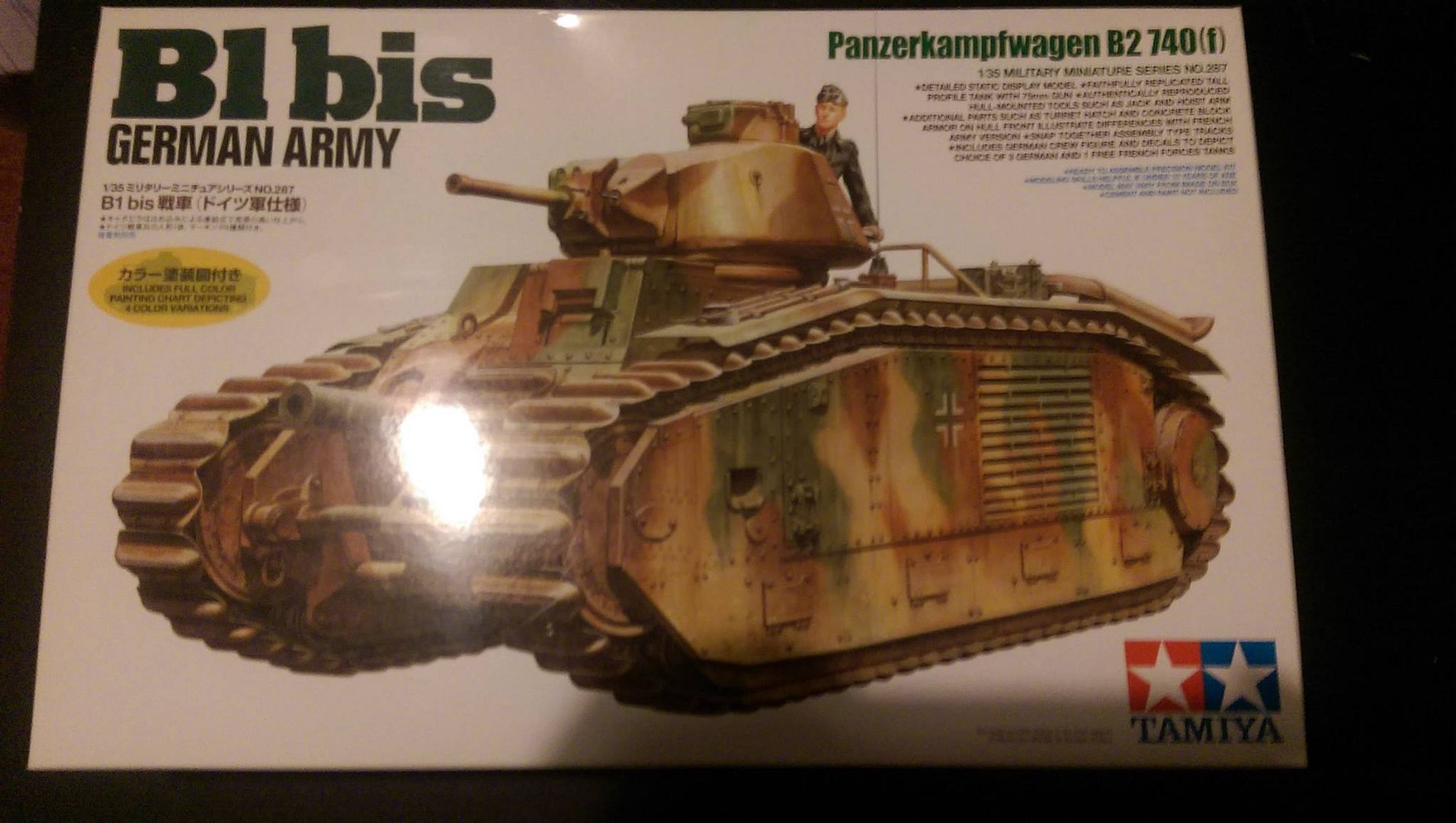
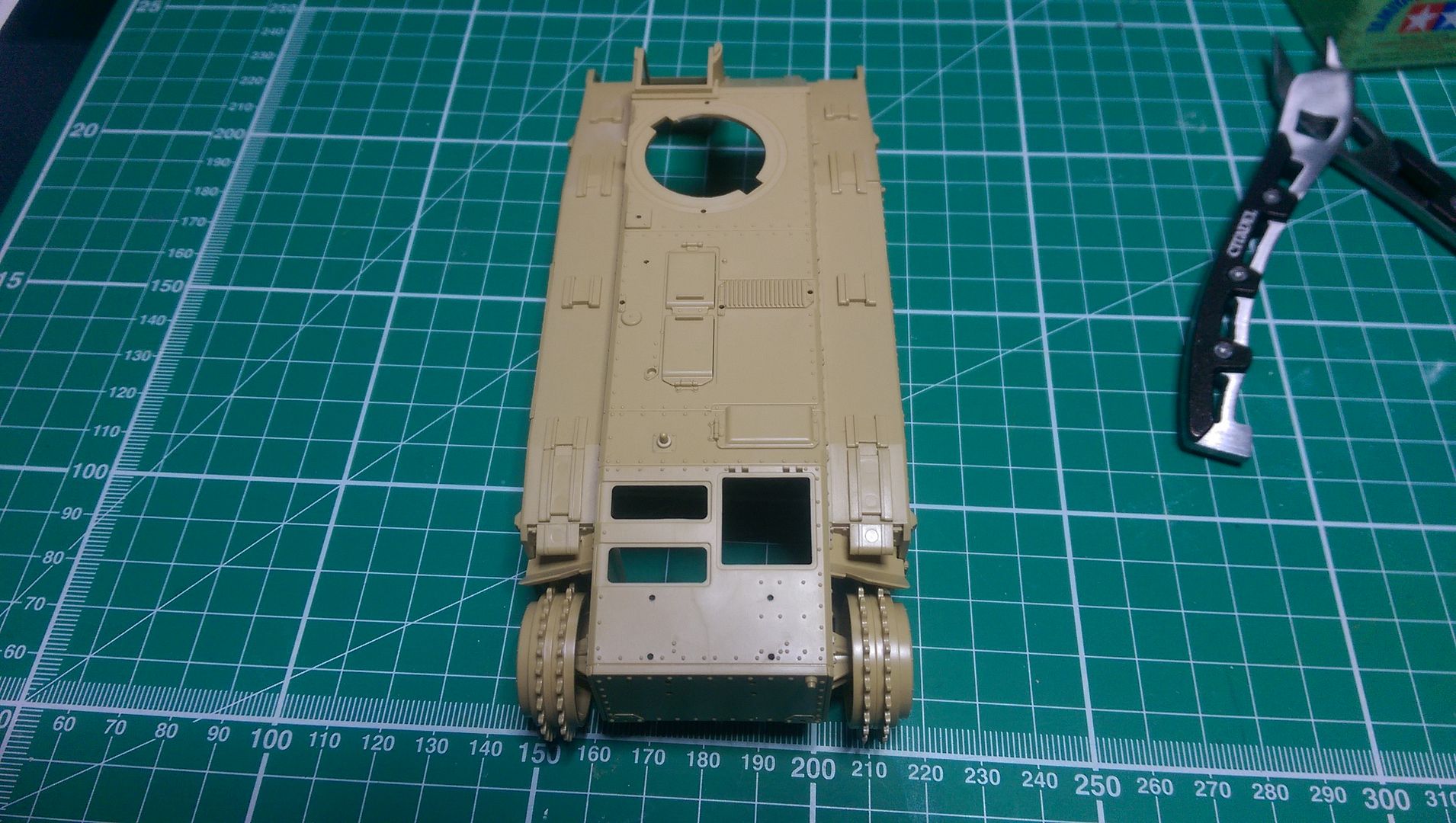
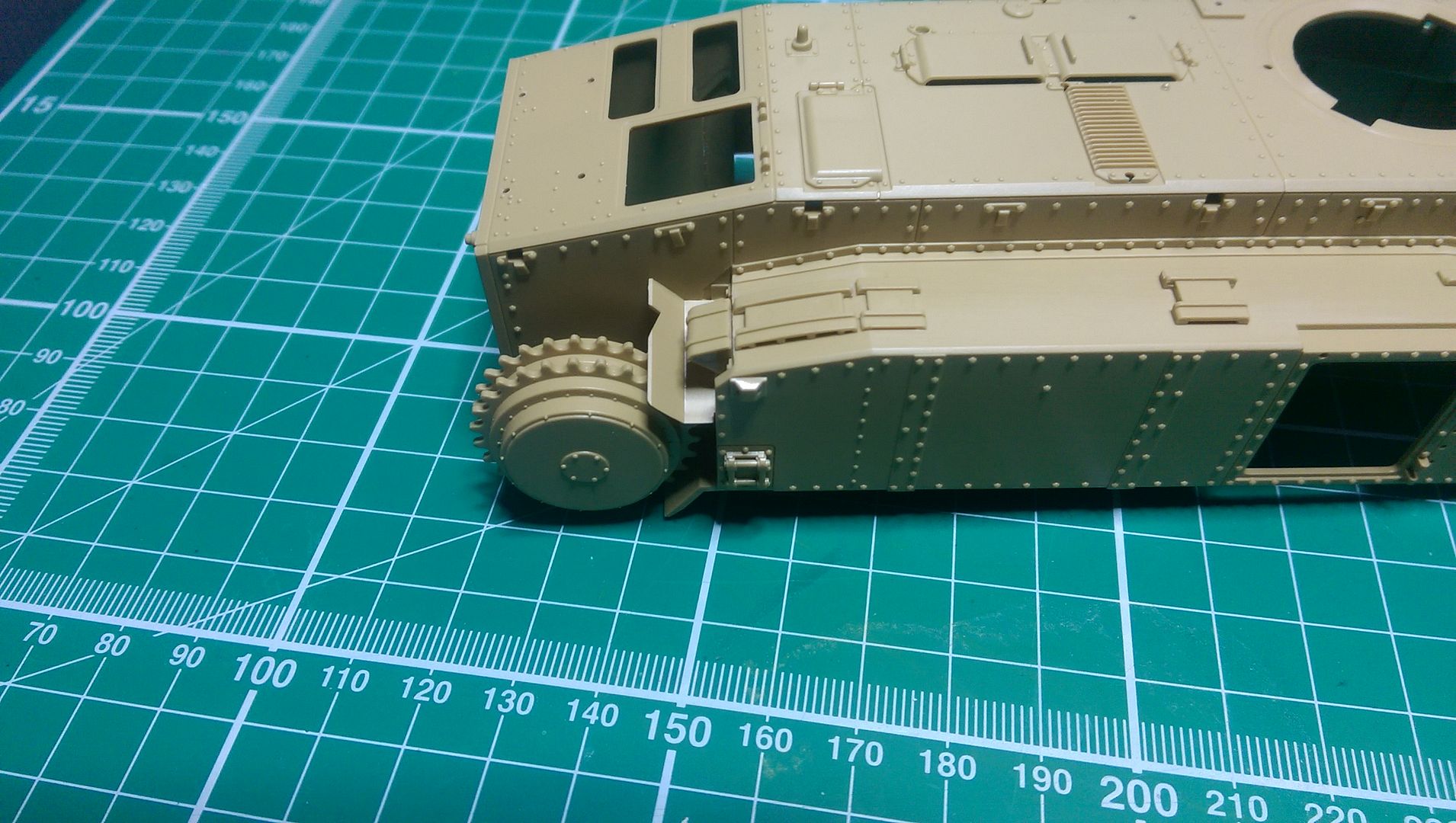
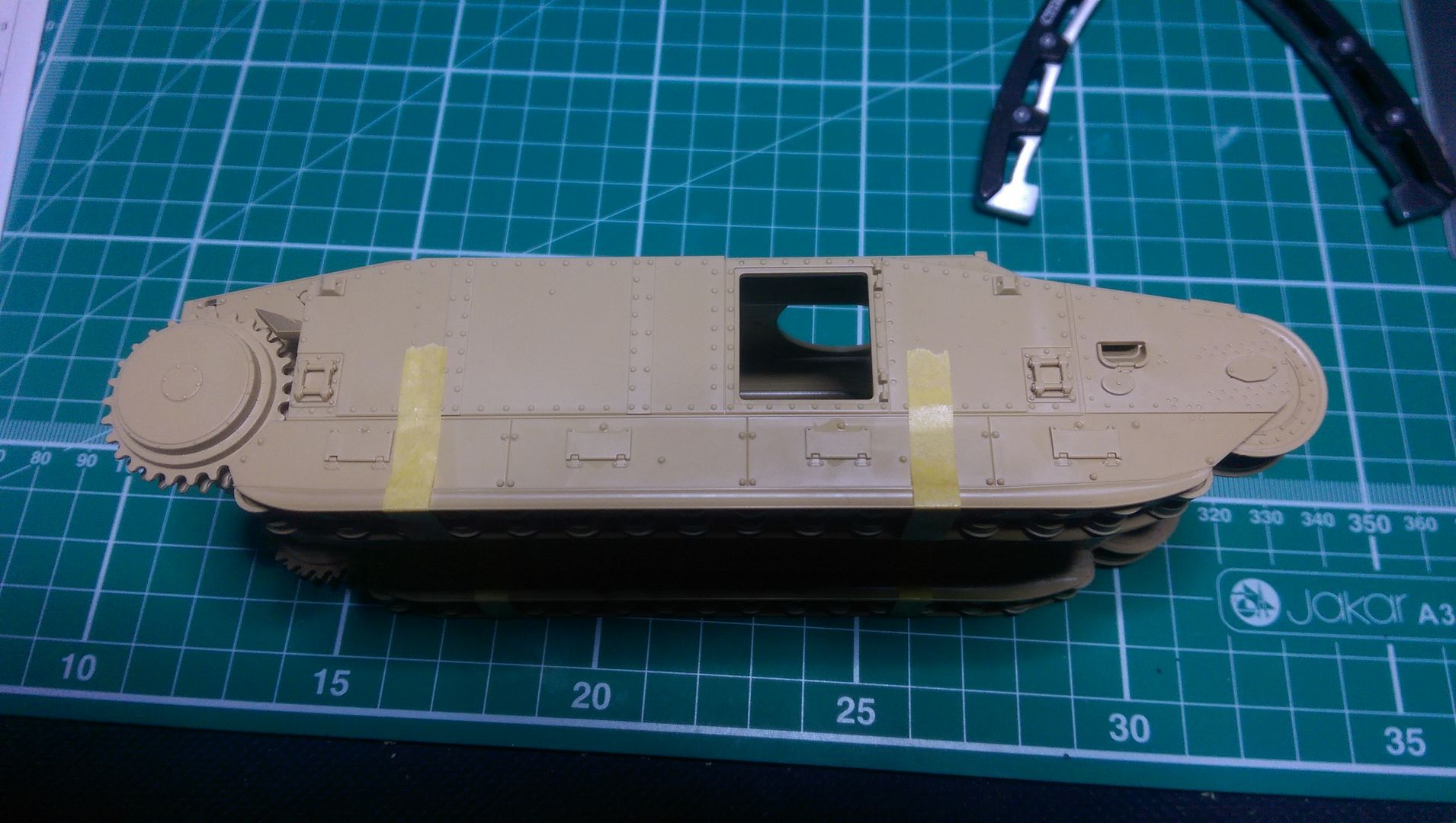
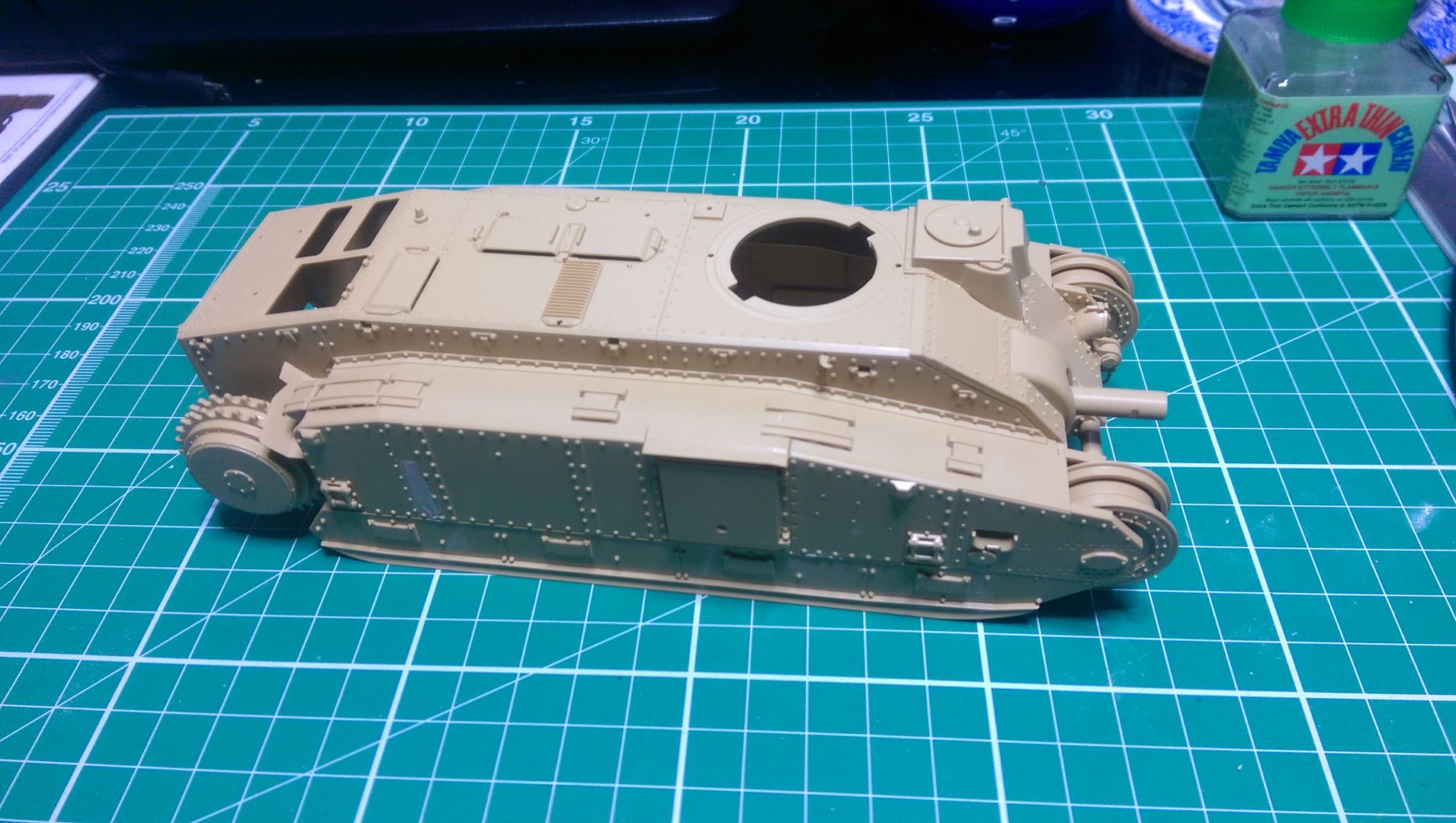
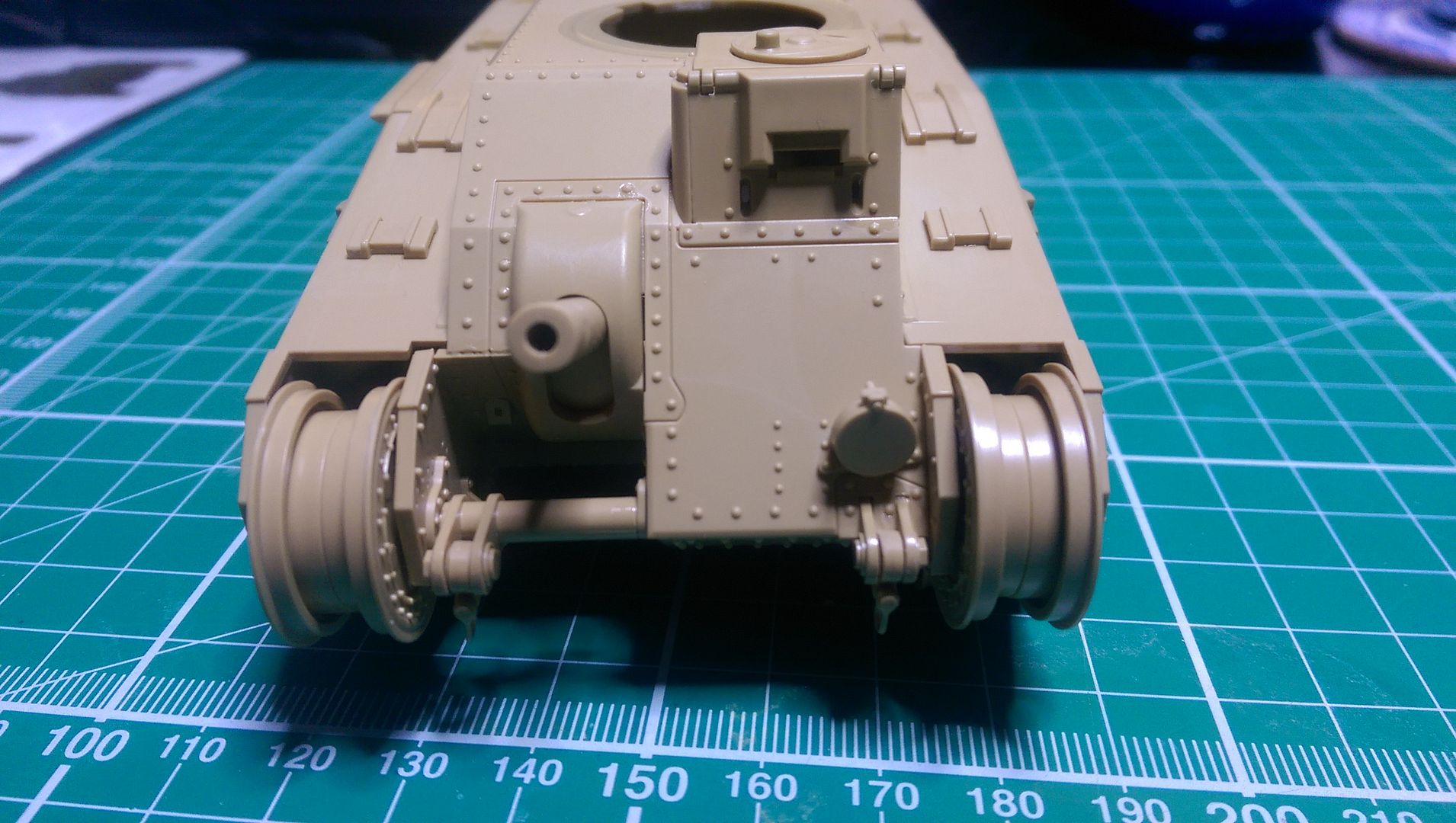
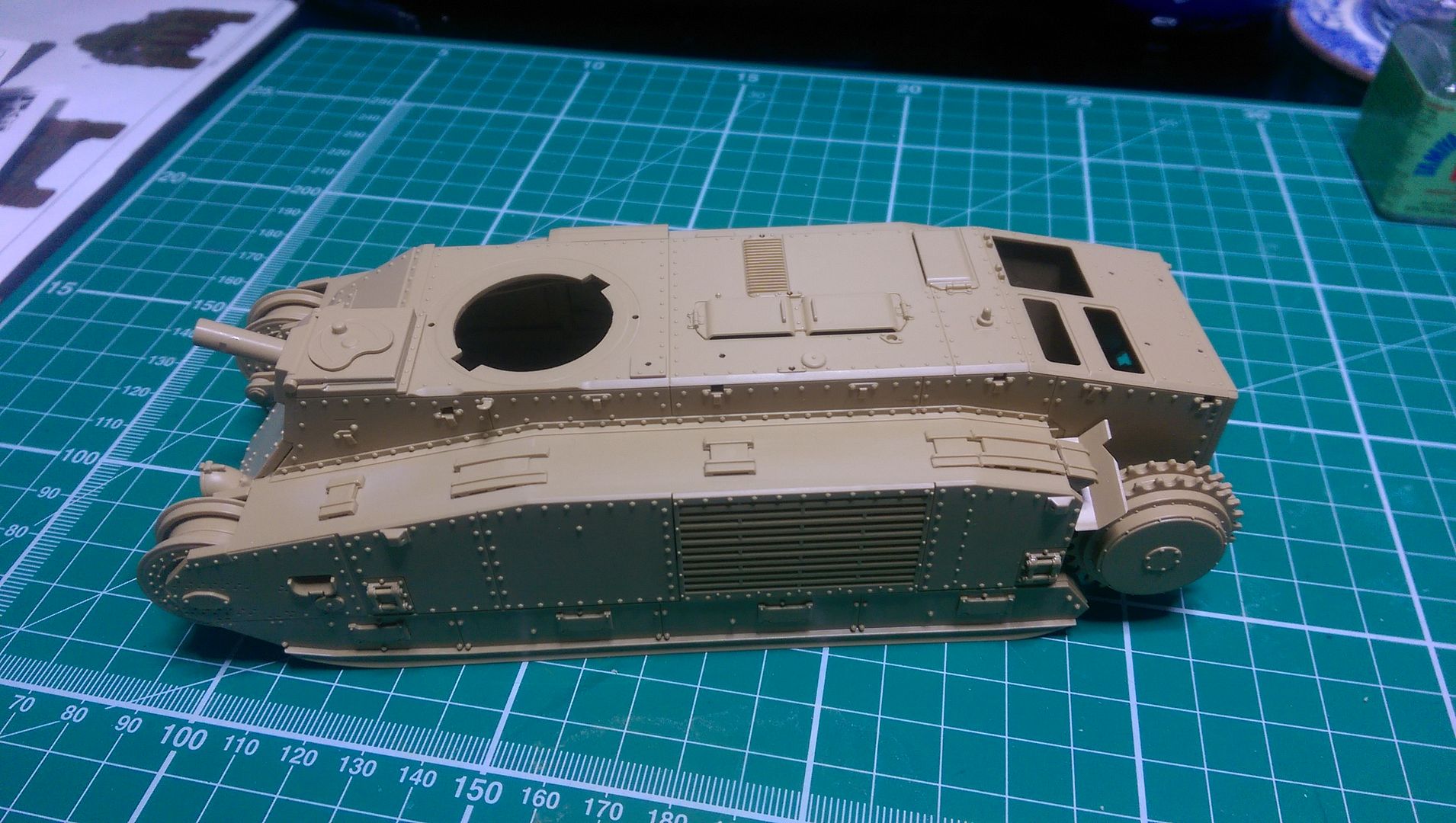
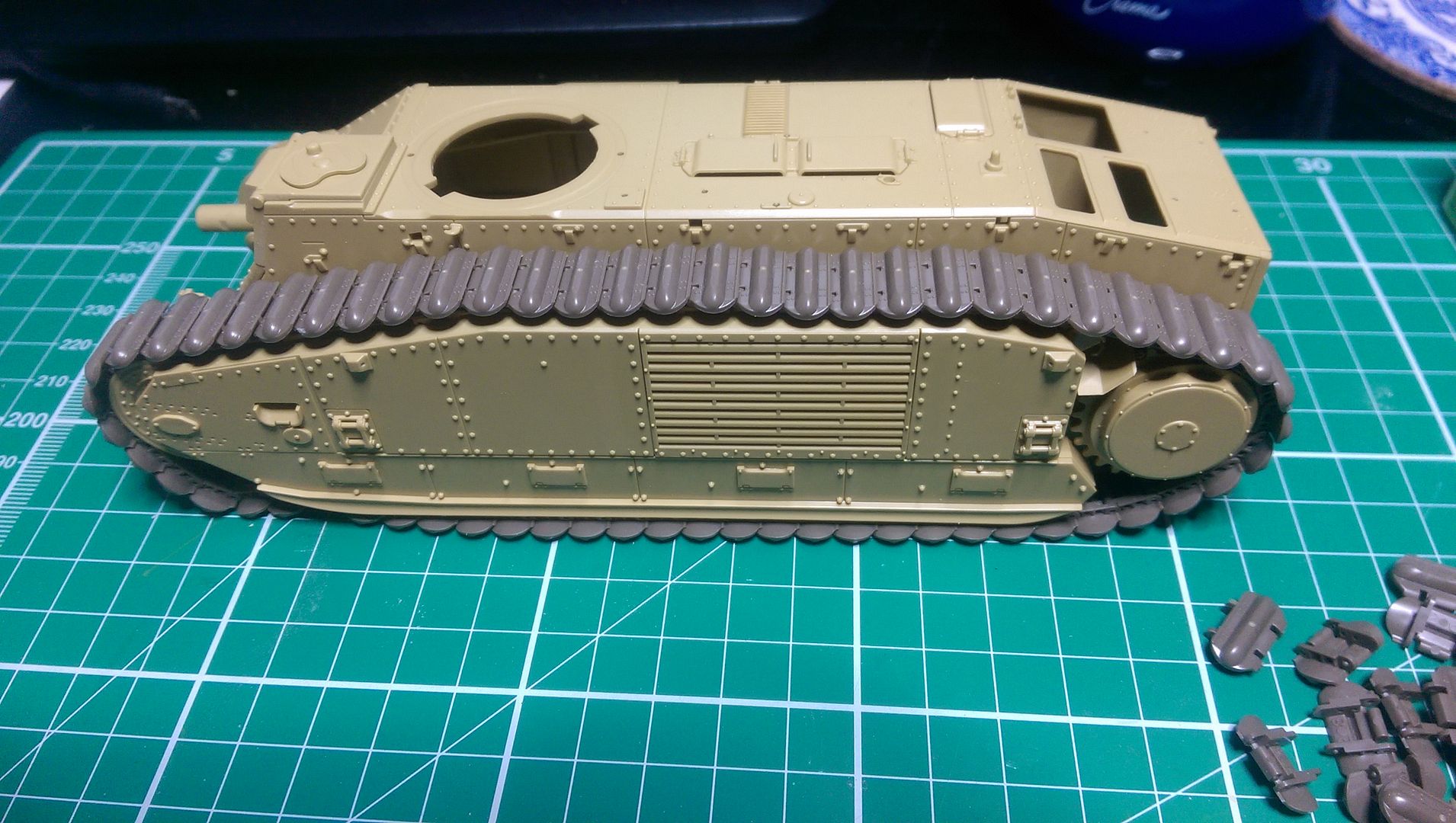
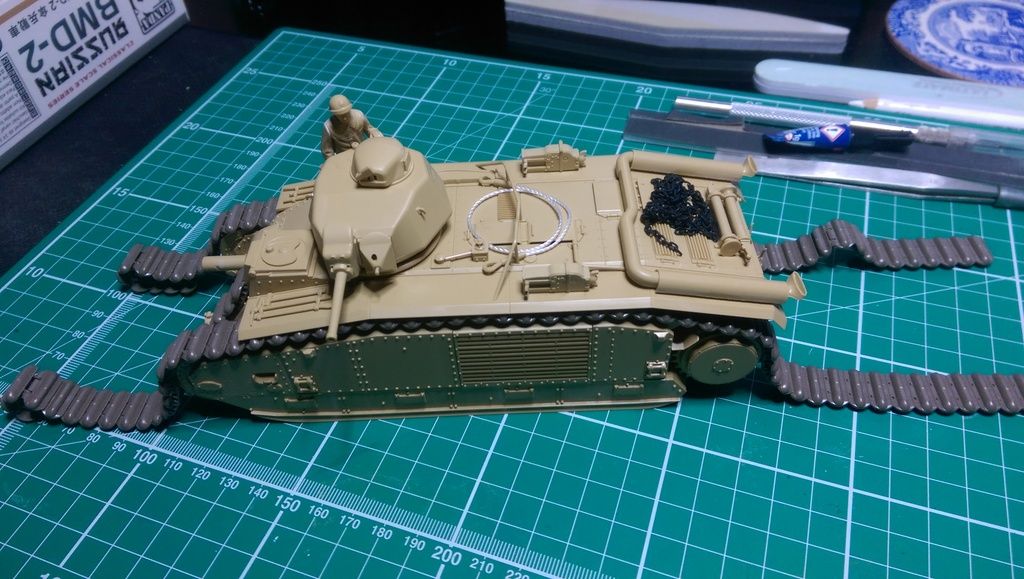
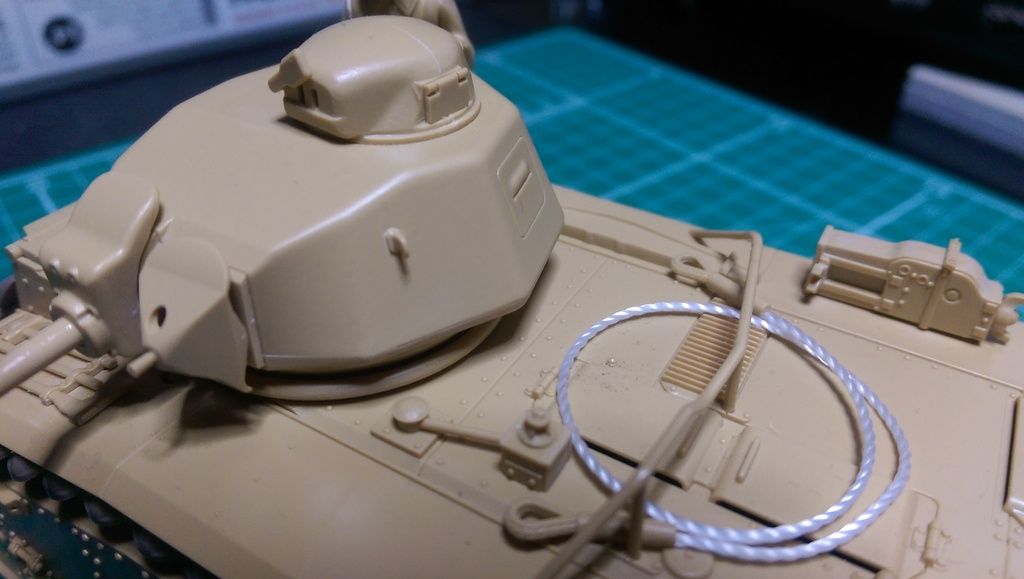
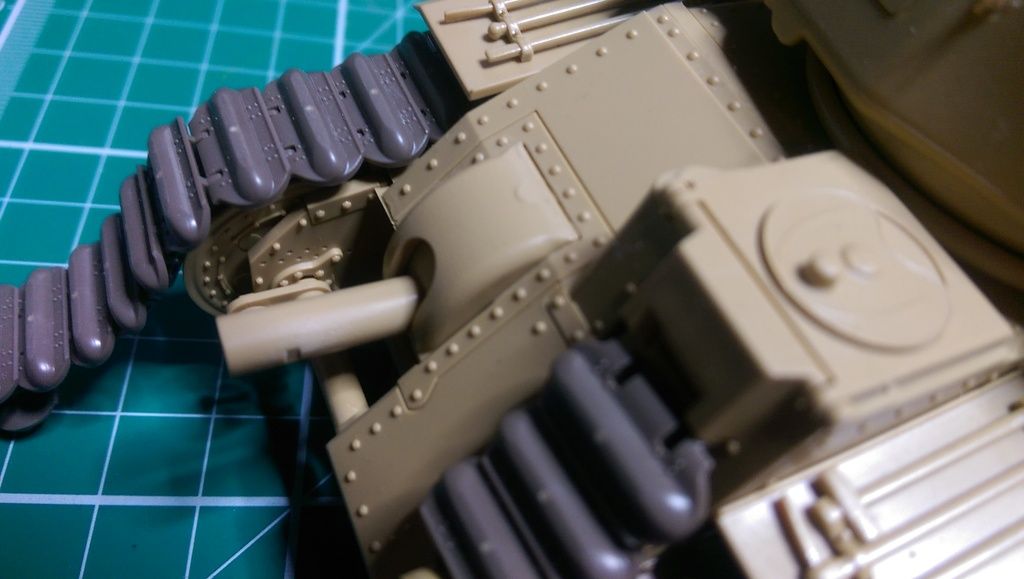
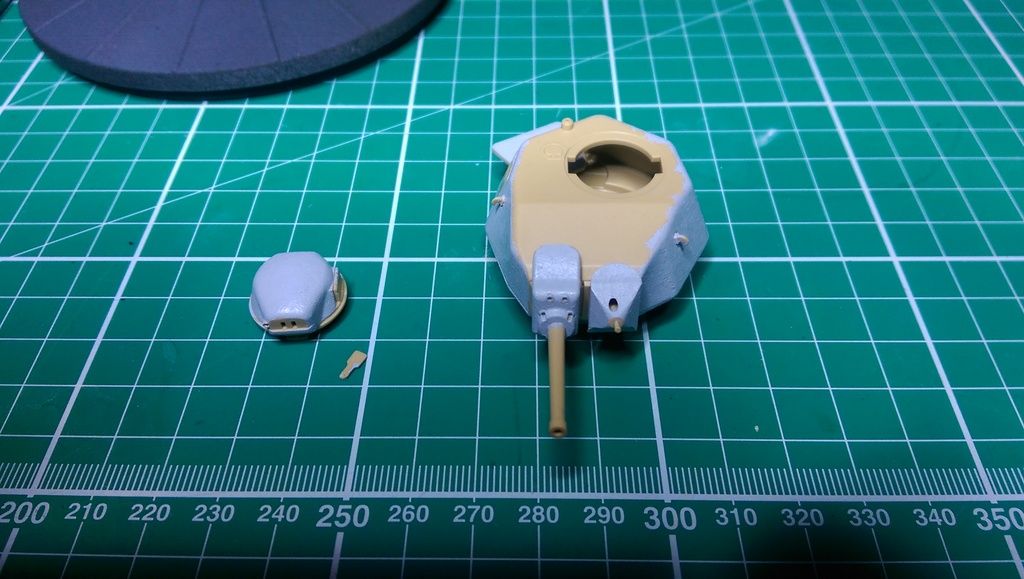
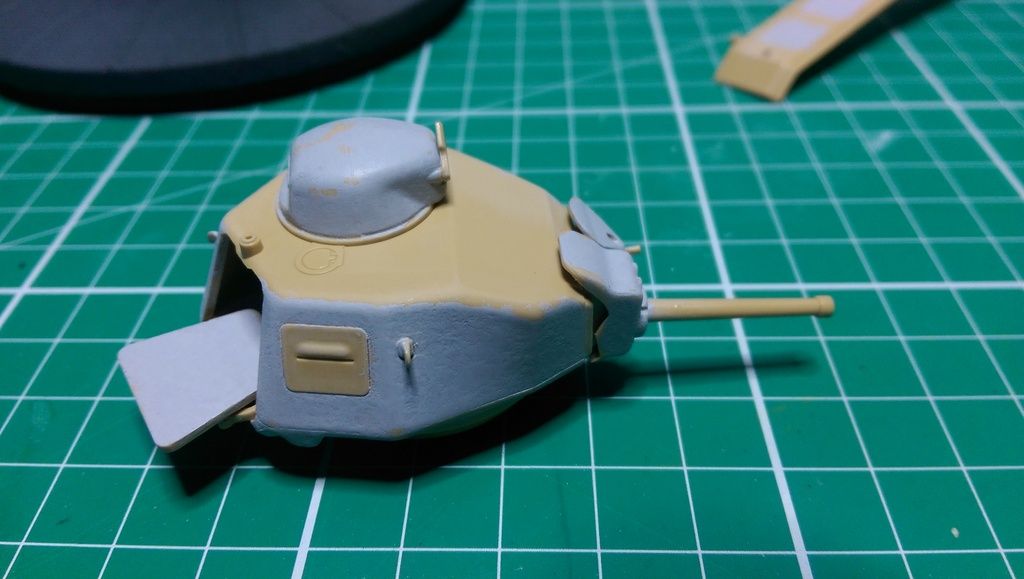
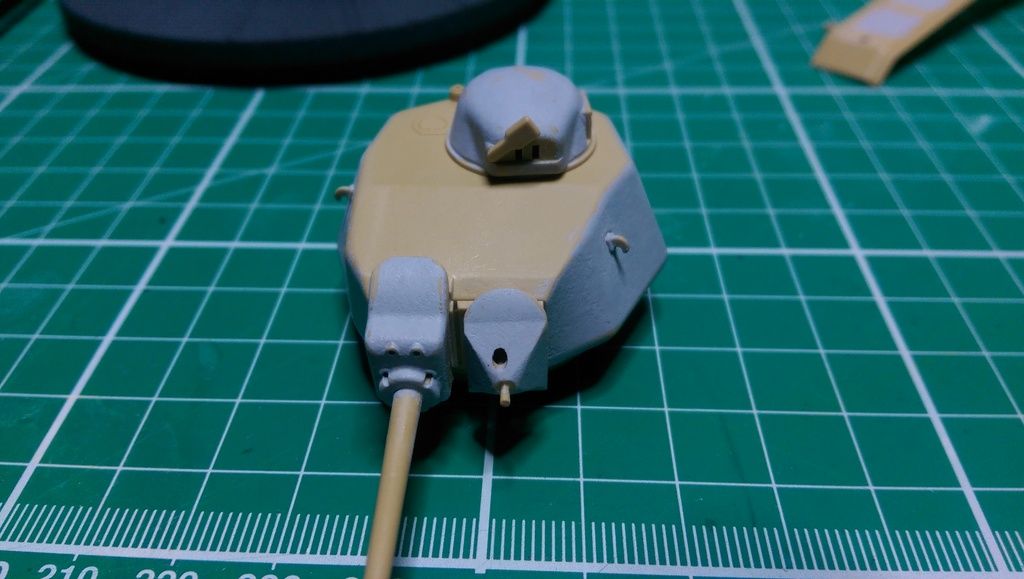
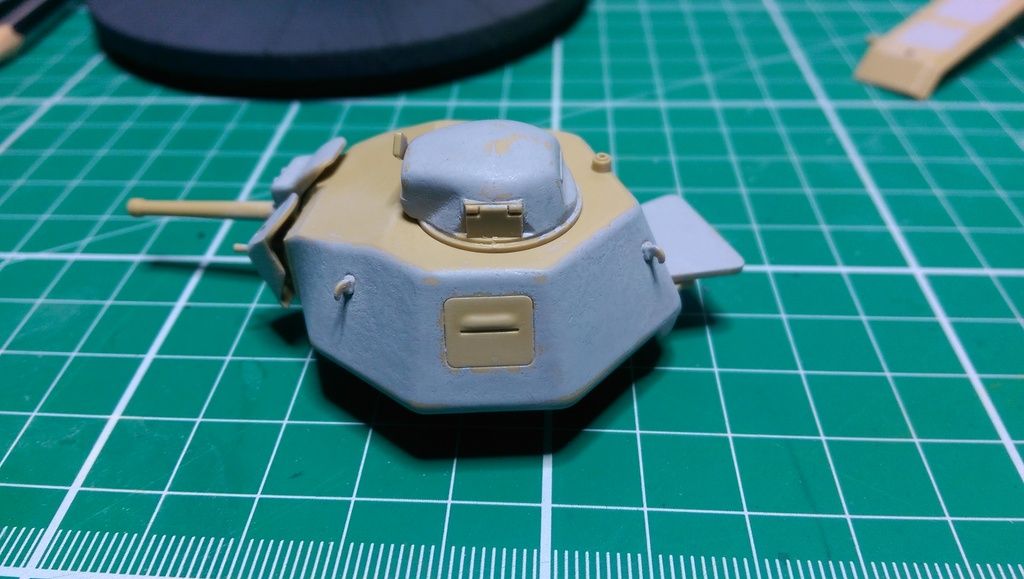
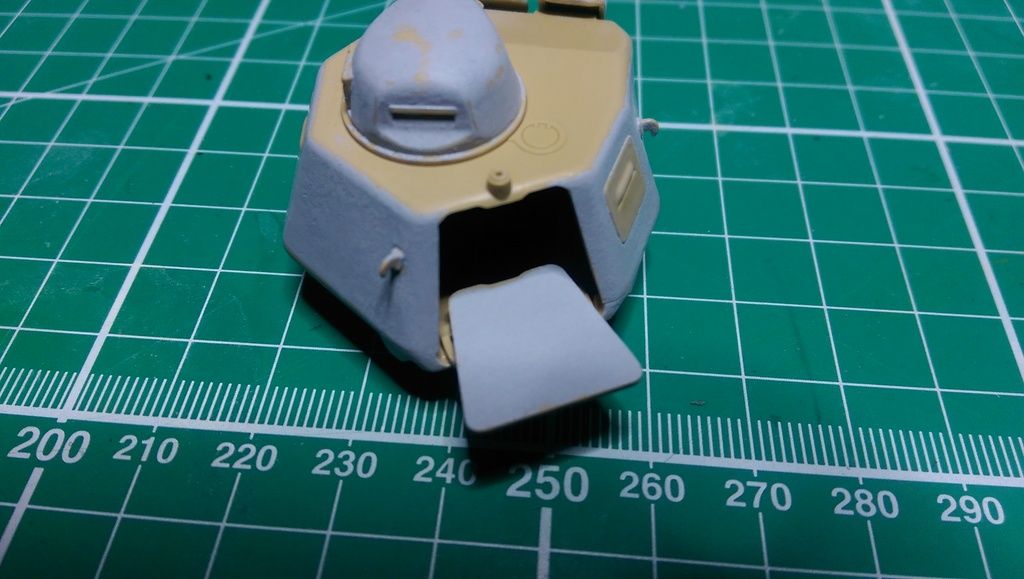
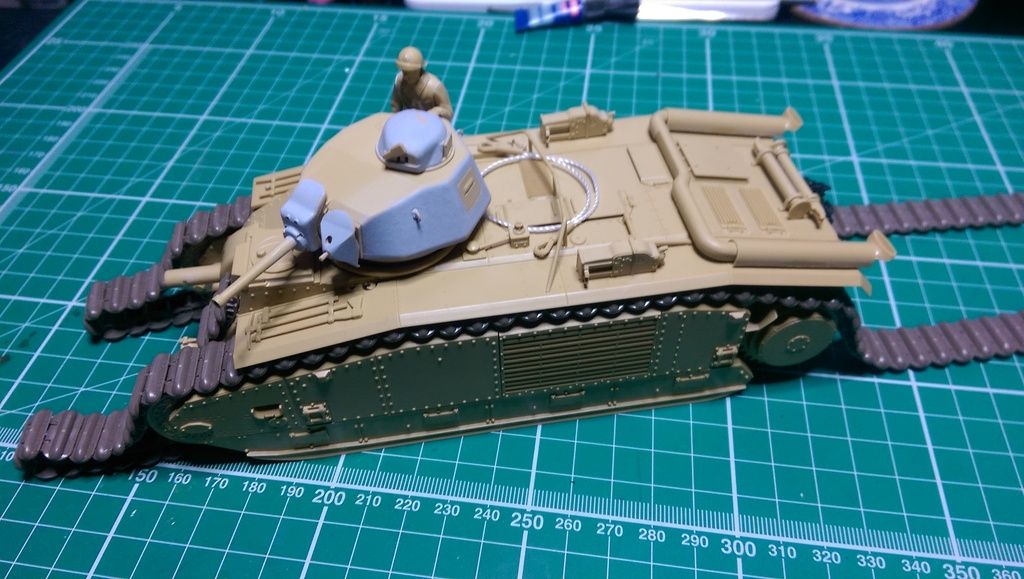
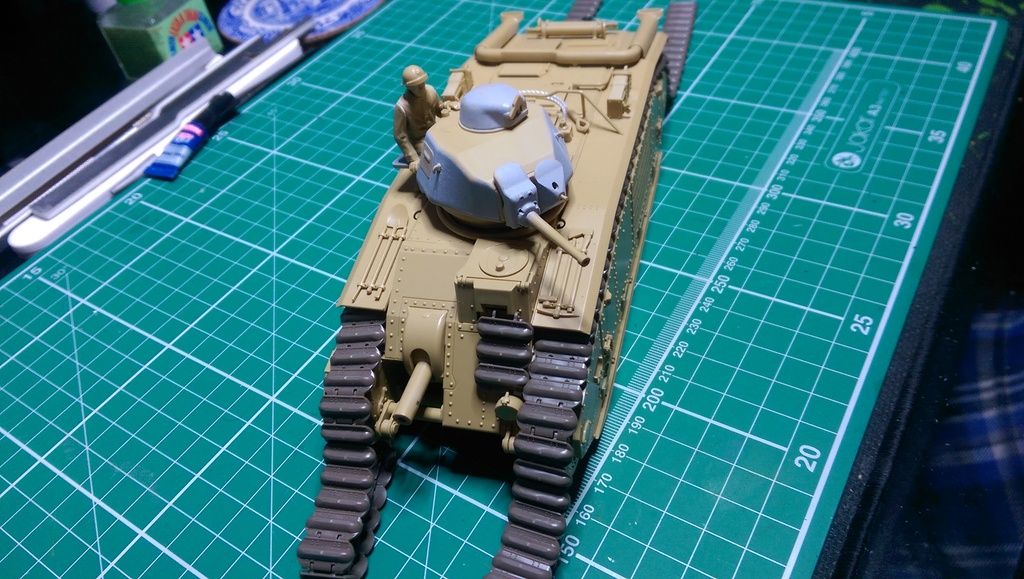
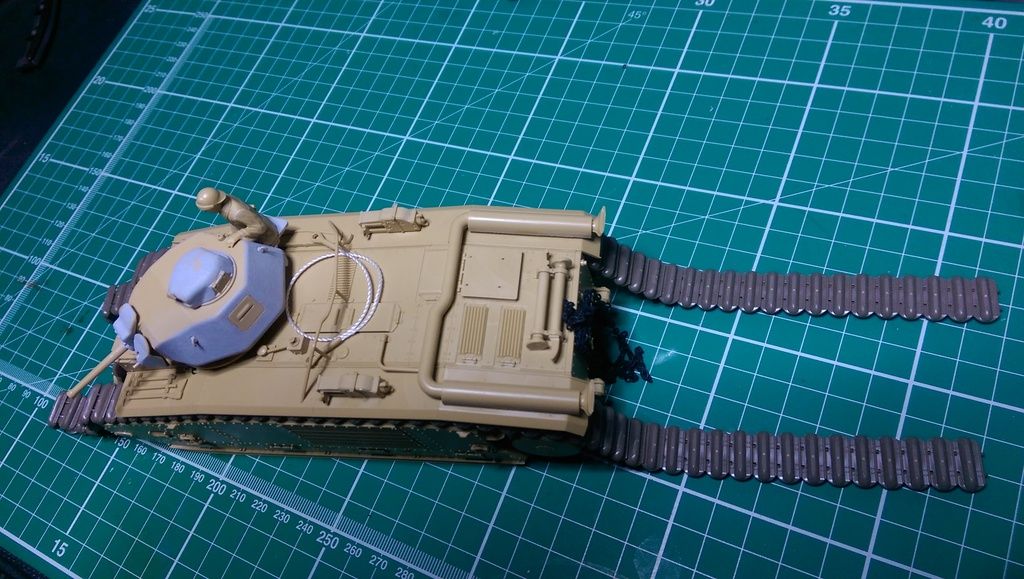
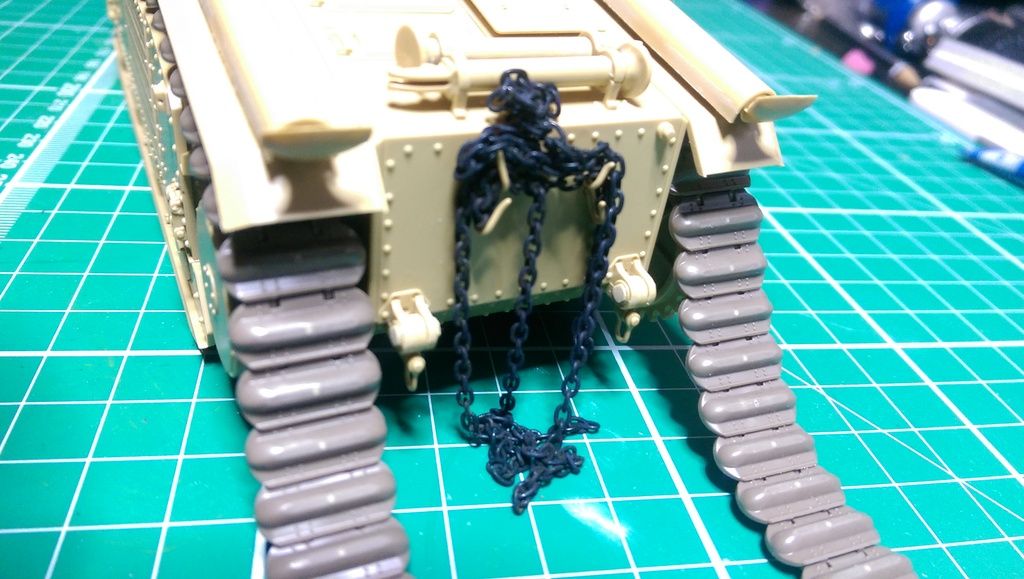
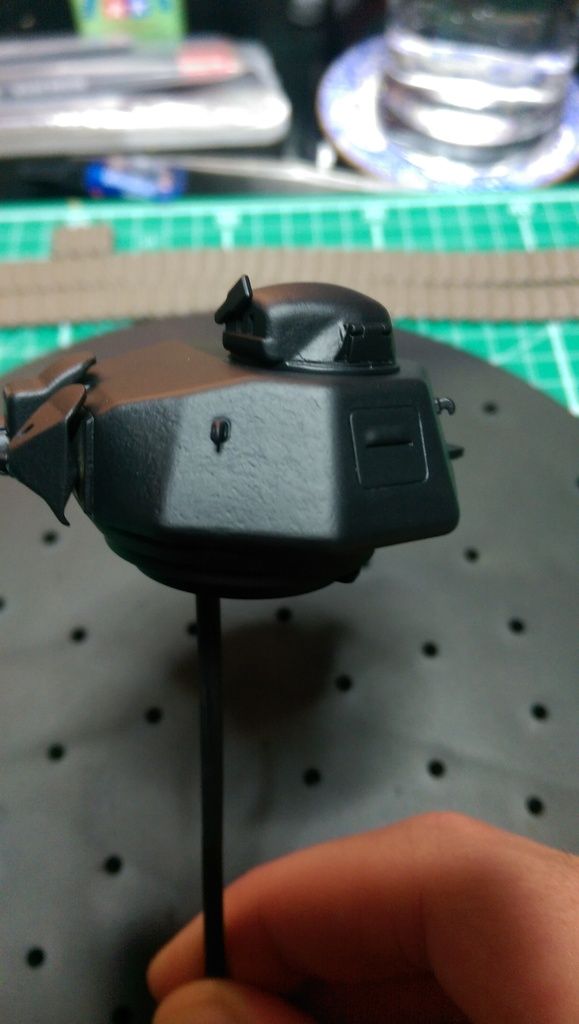
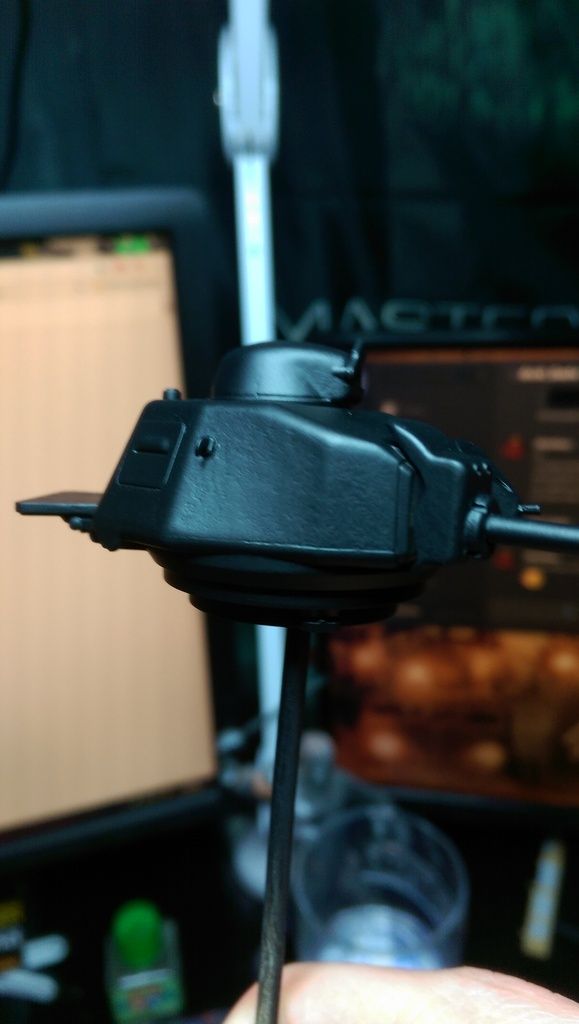
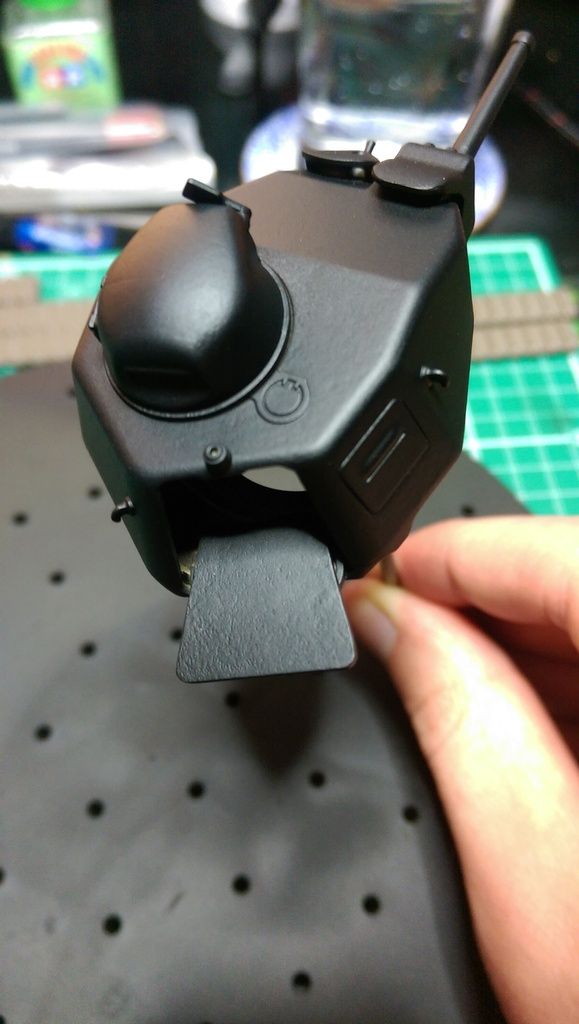
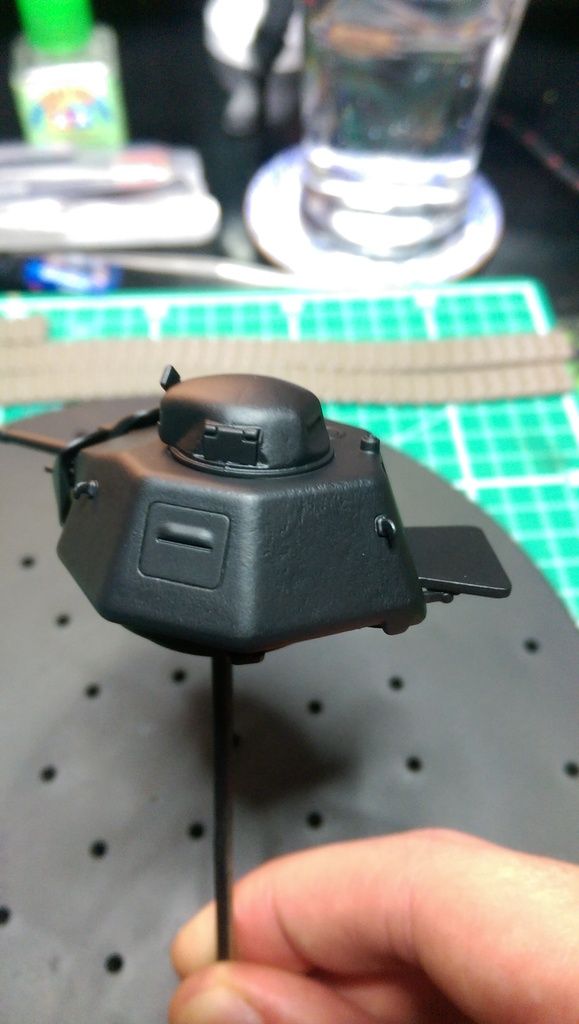
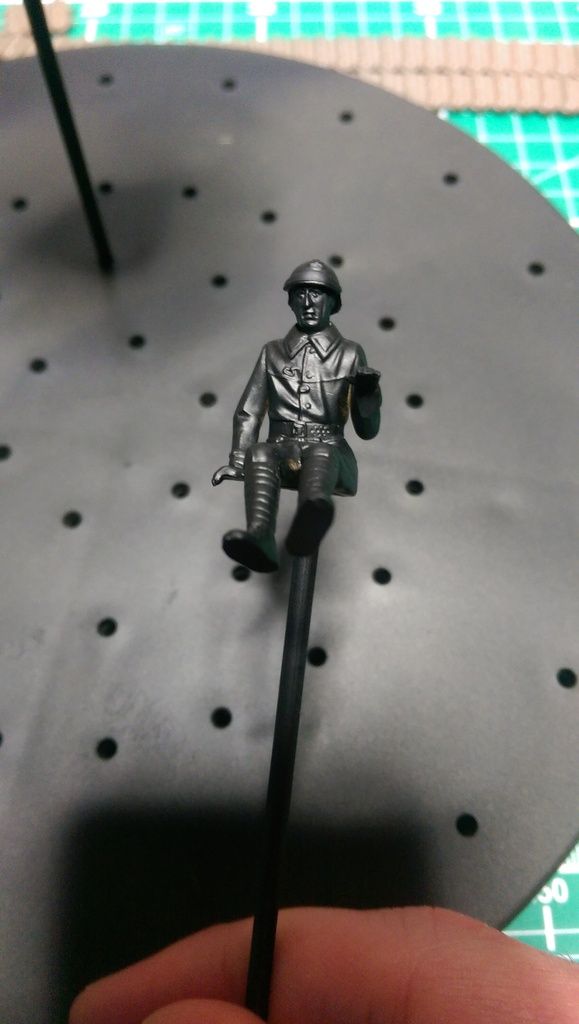
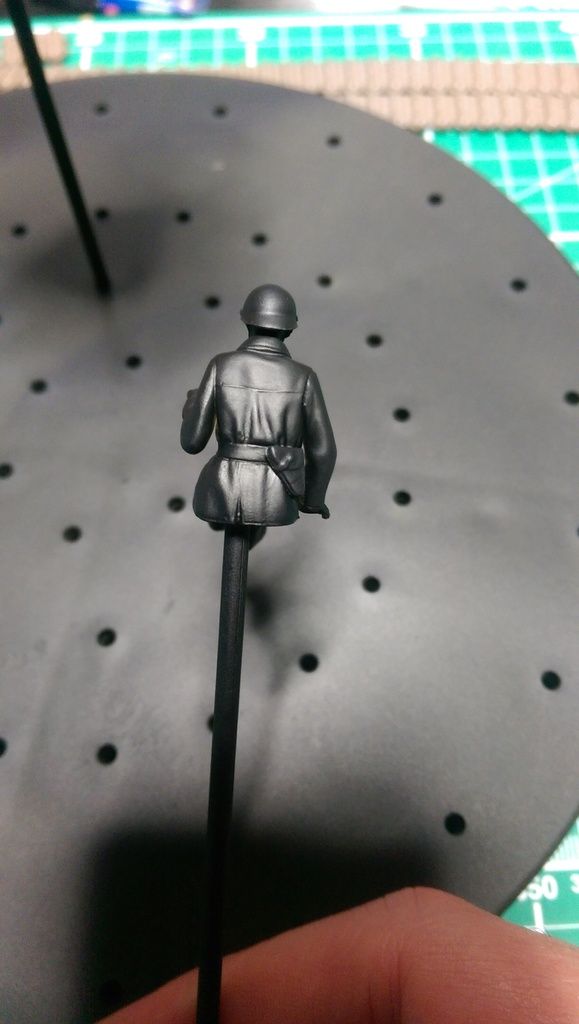
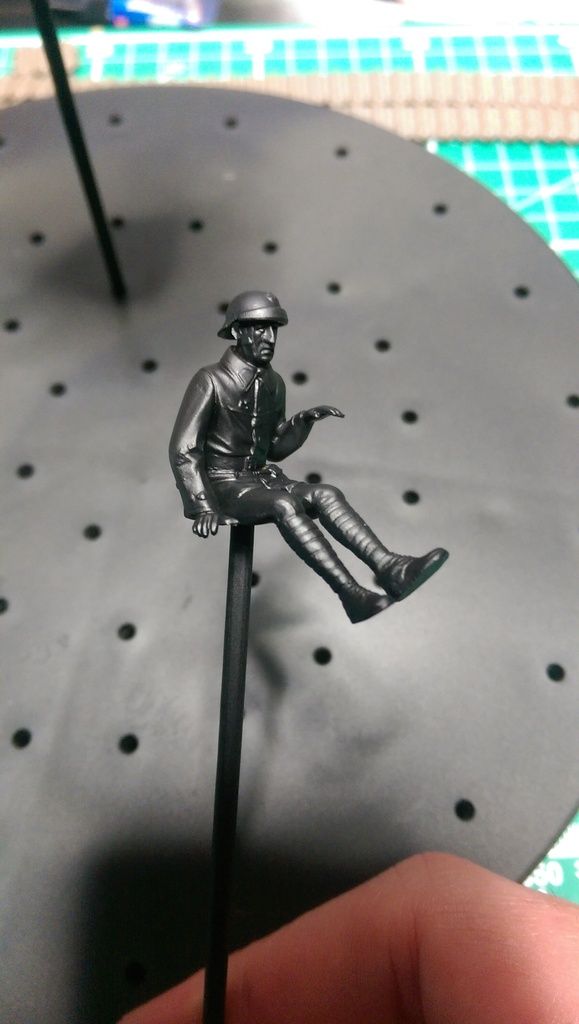
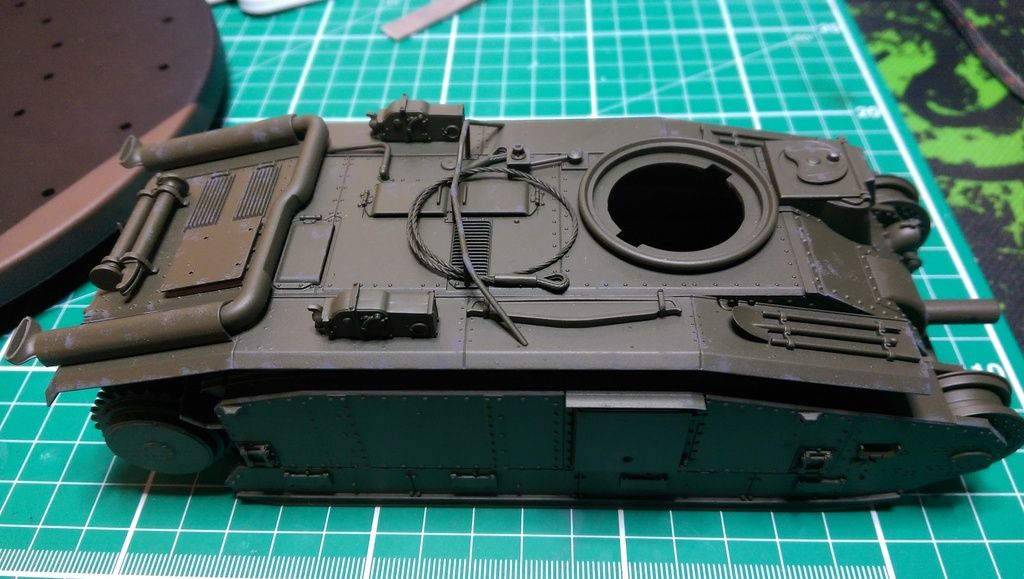
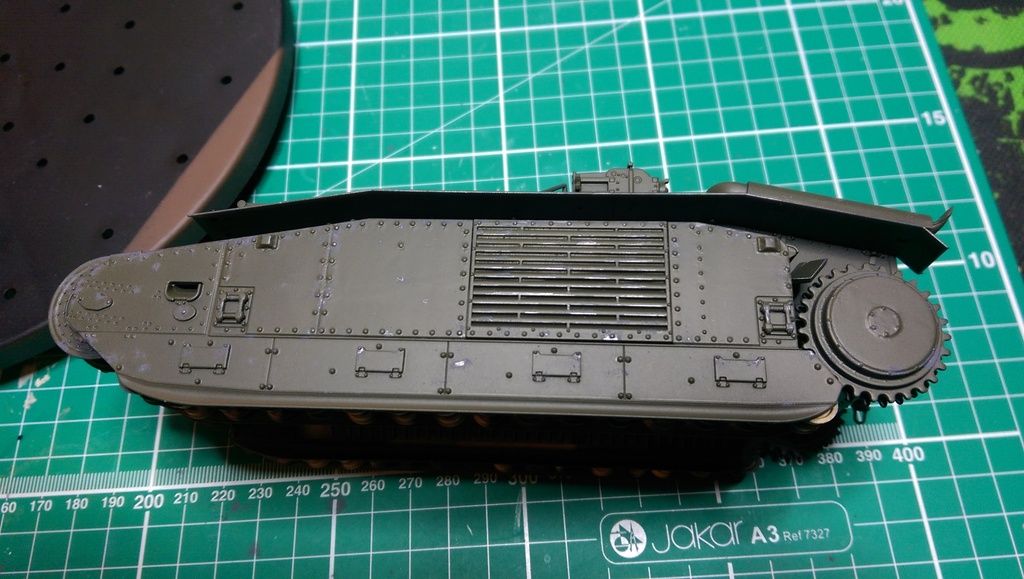
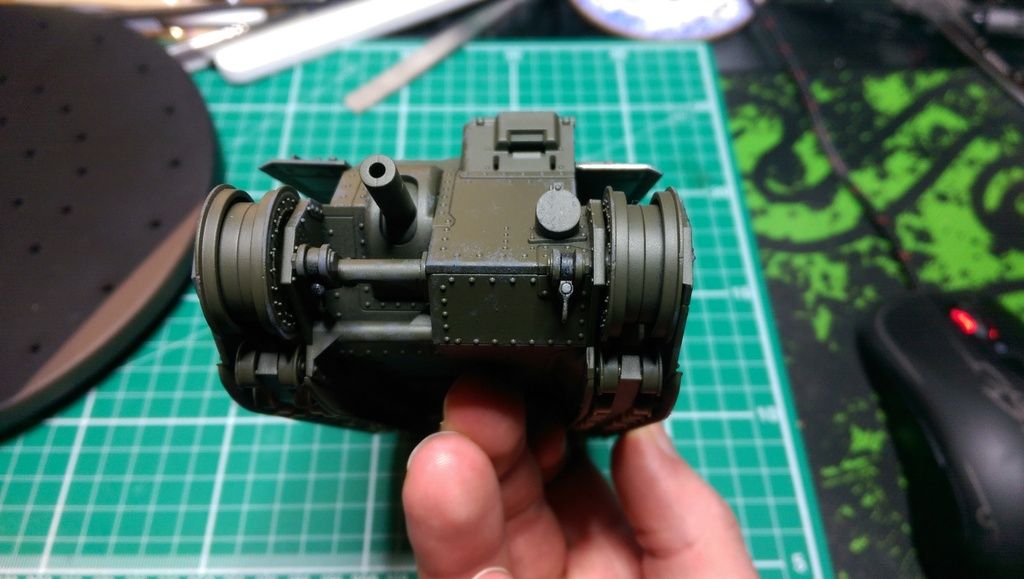
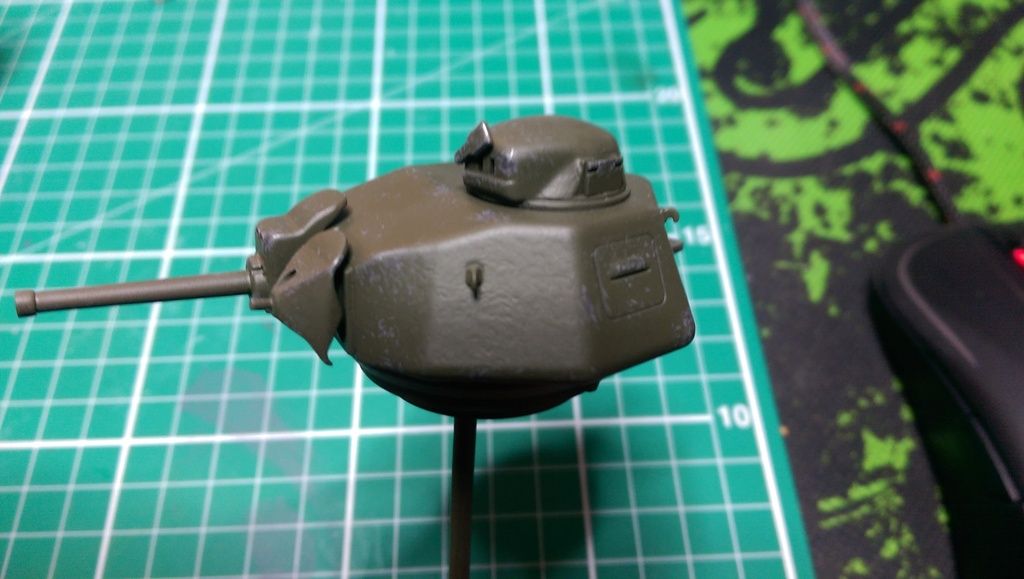
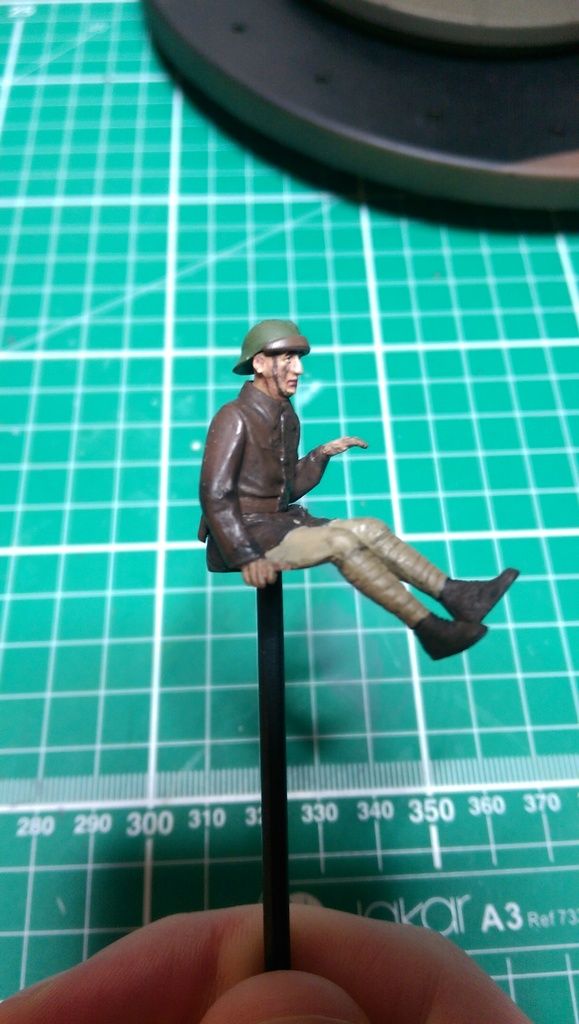
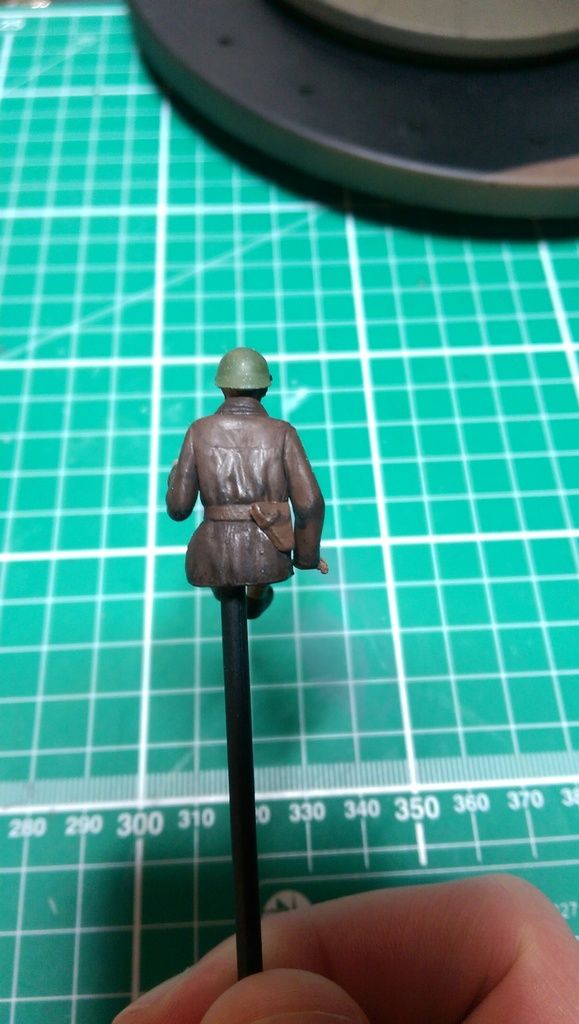
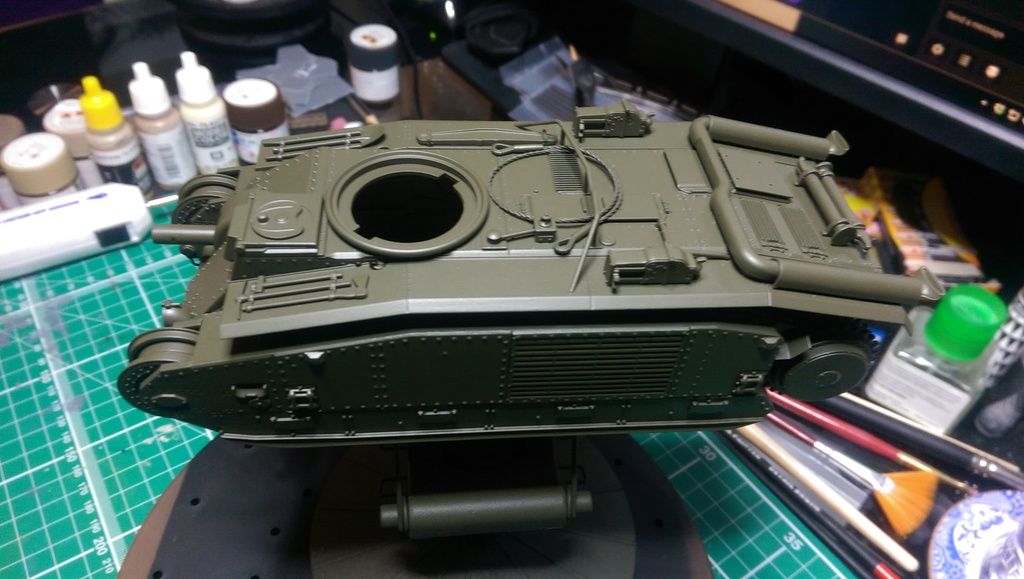
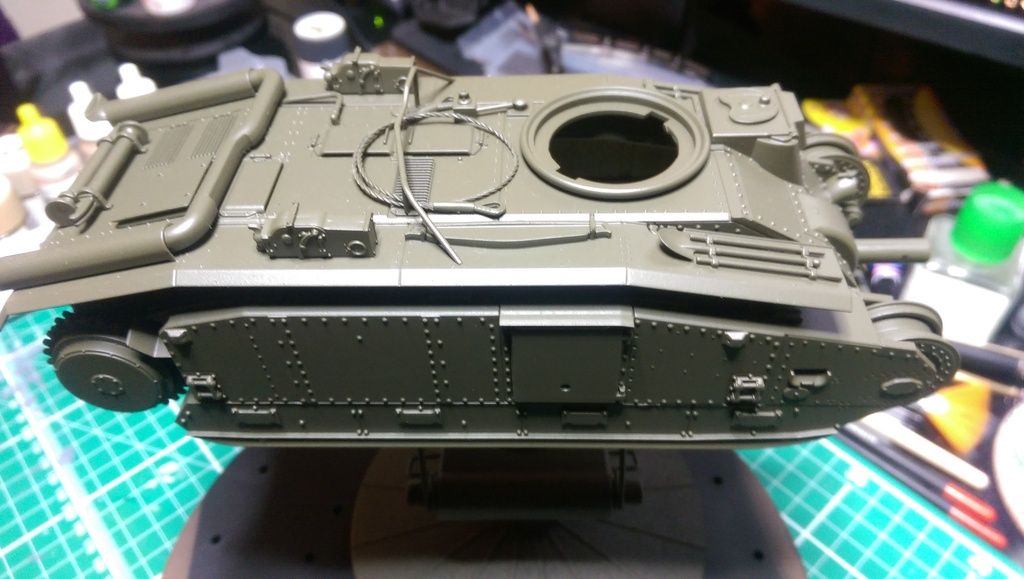
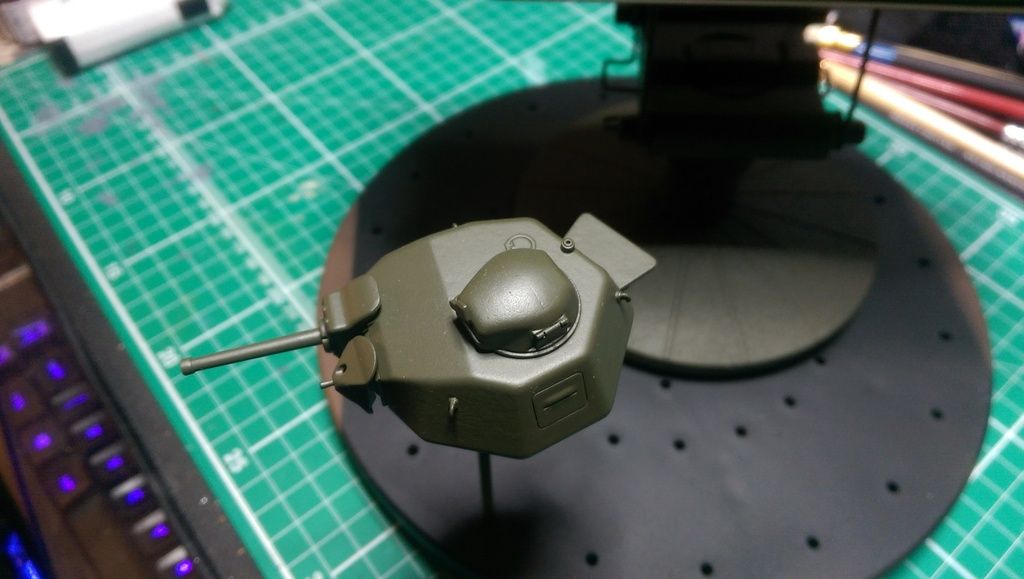
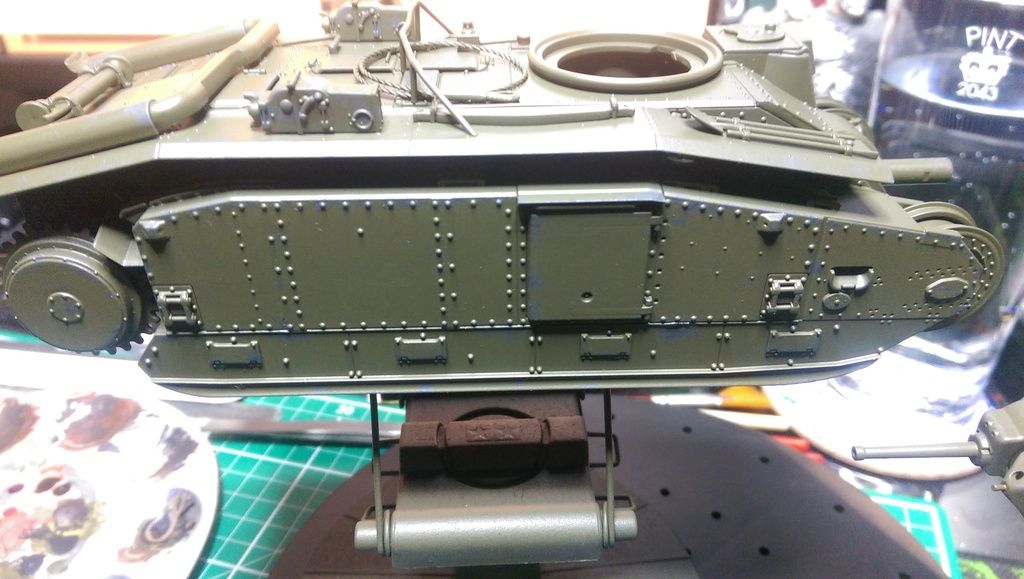
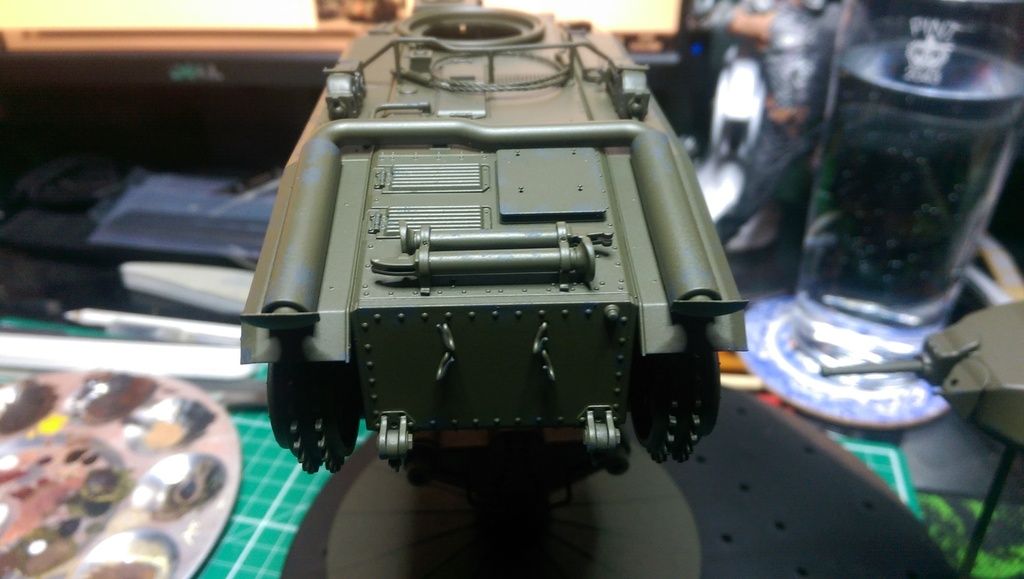
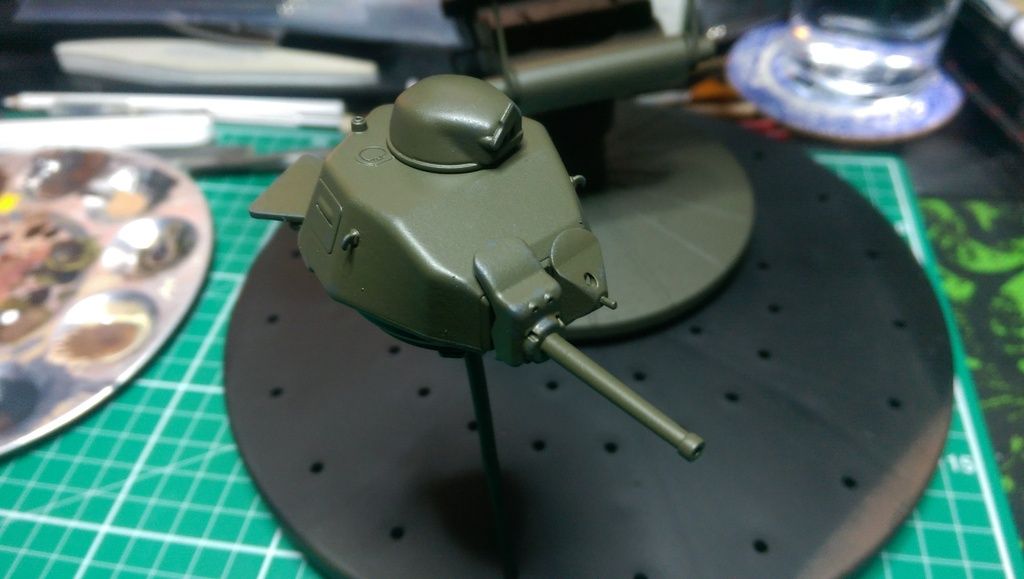
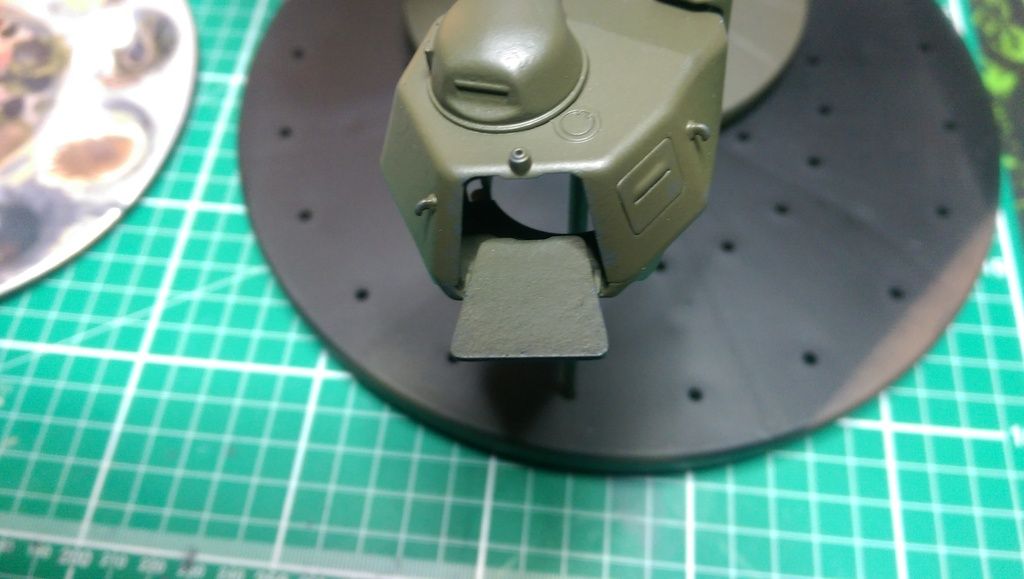
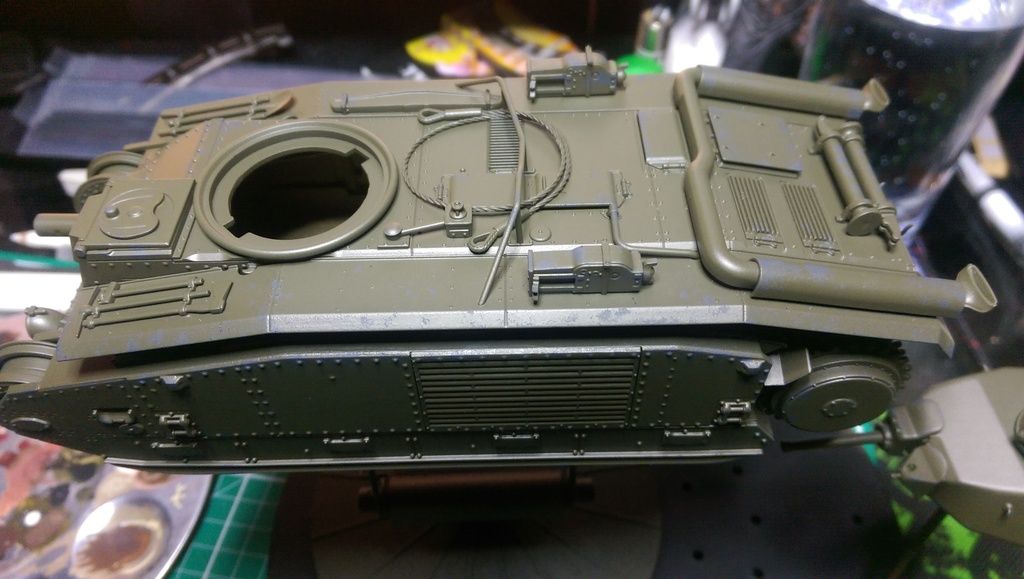
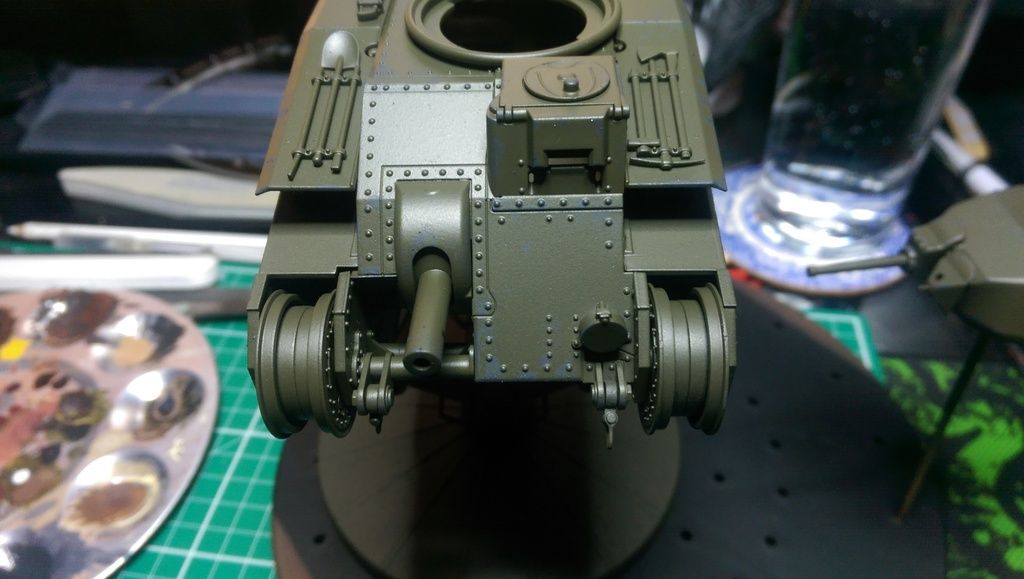
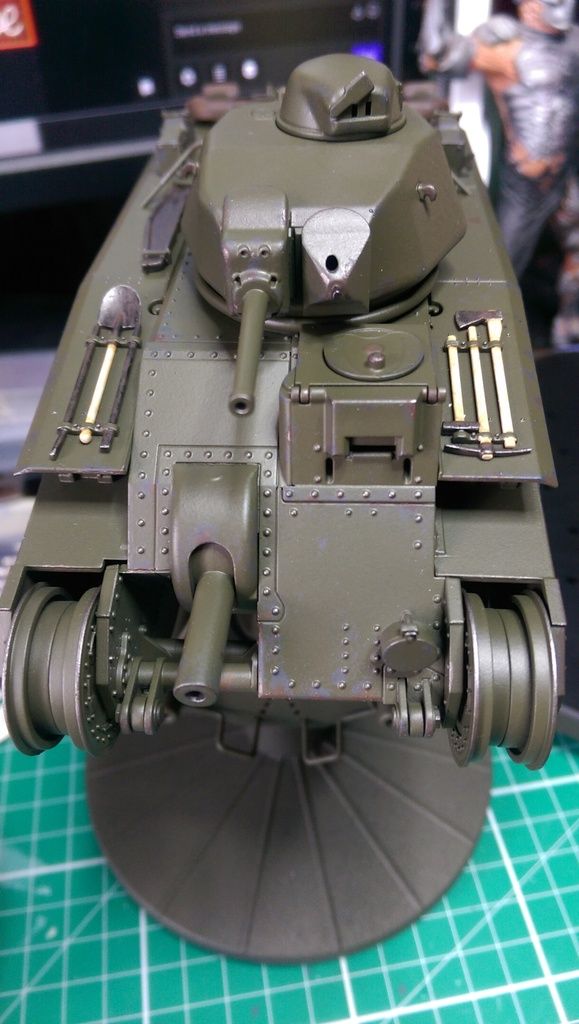
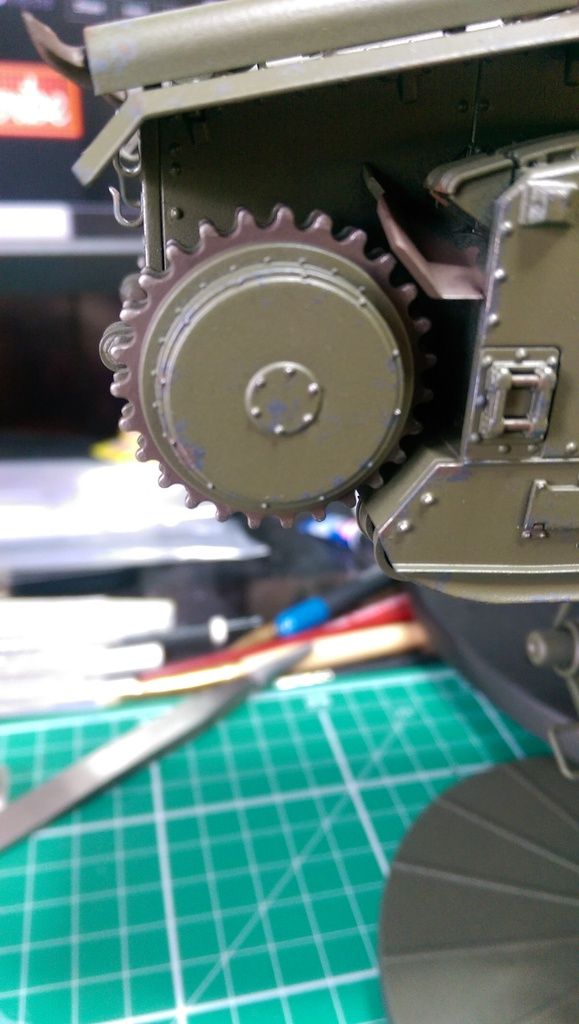
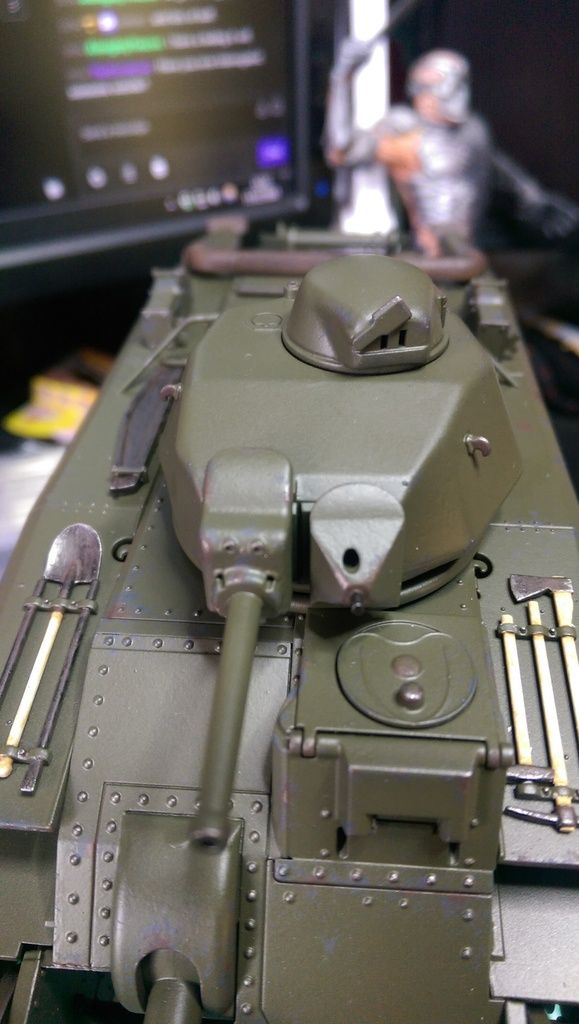
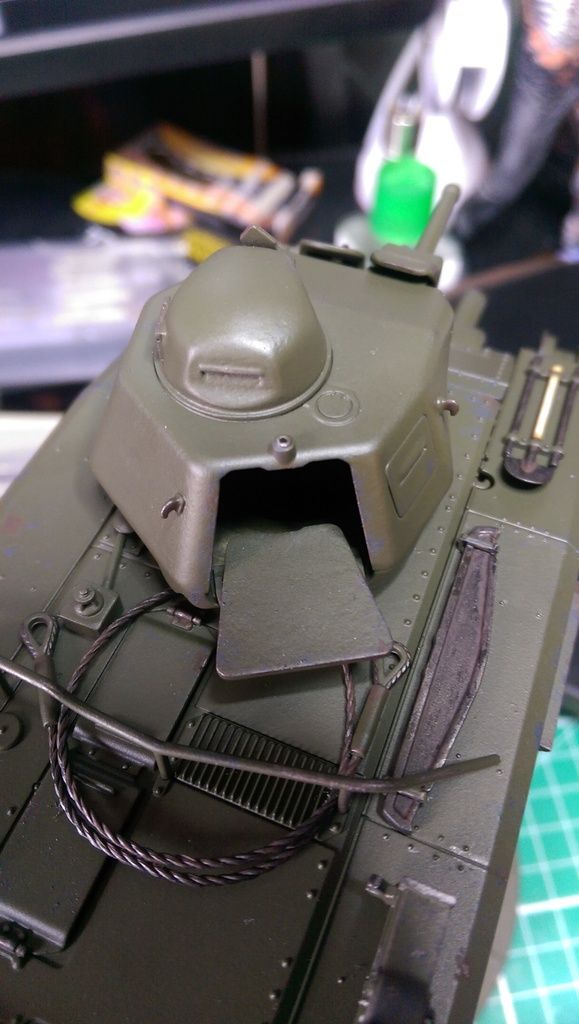
My personal choice for this particular model will be to paint it up as per the instructions for Tank No. 22 "Vercors", 2nd Company, 13th Dragoon Regiment of the Free French Forces, La Rochelle, April 1945 using Tamiya TS-5 (XF-62) and will be weathered accordingly.


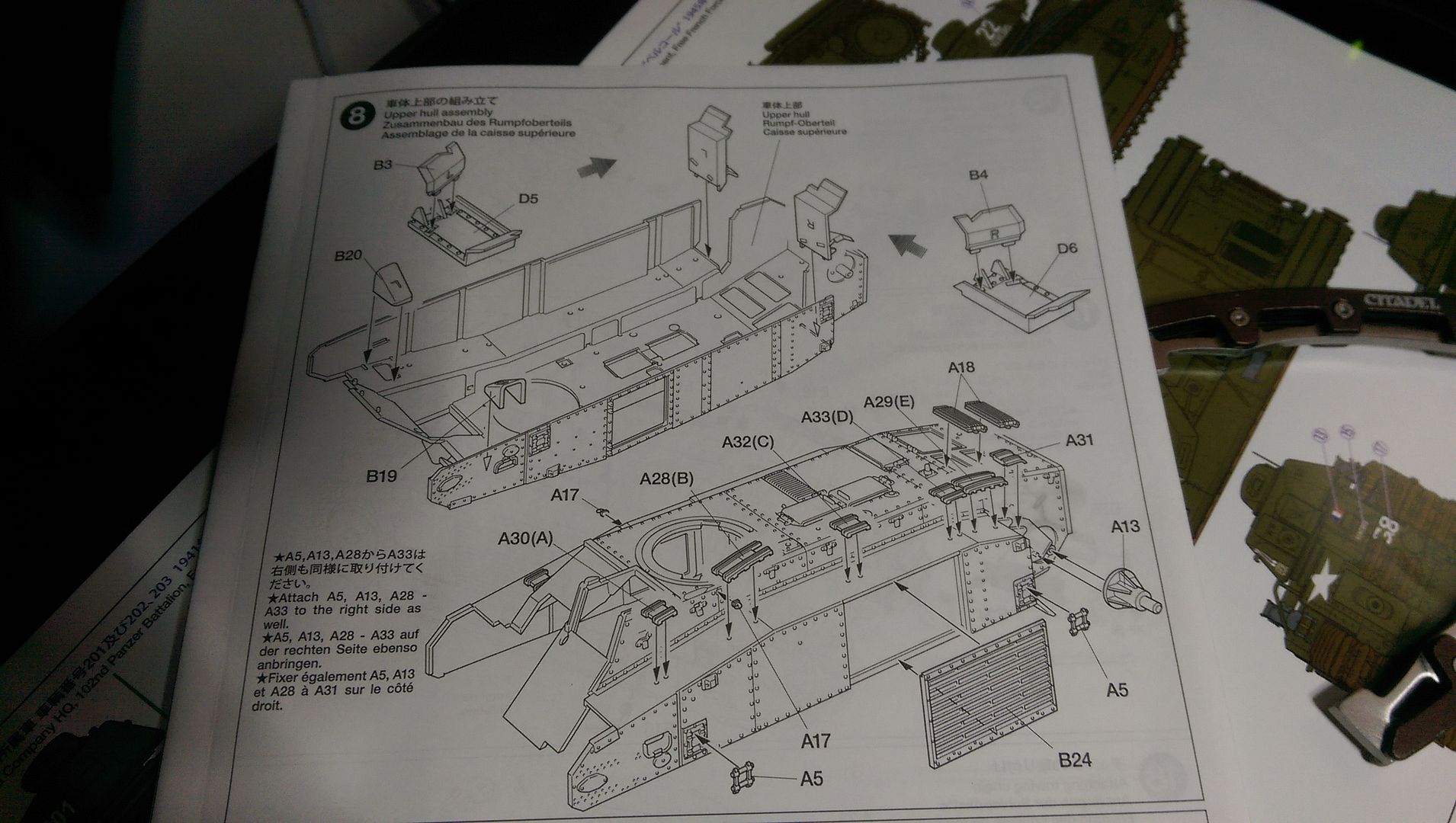
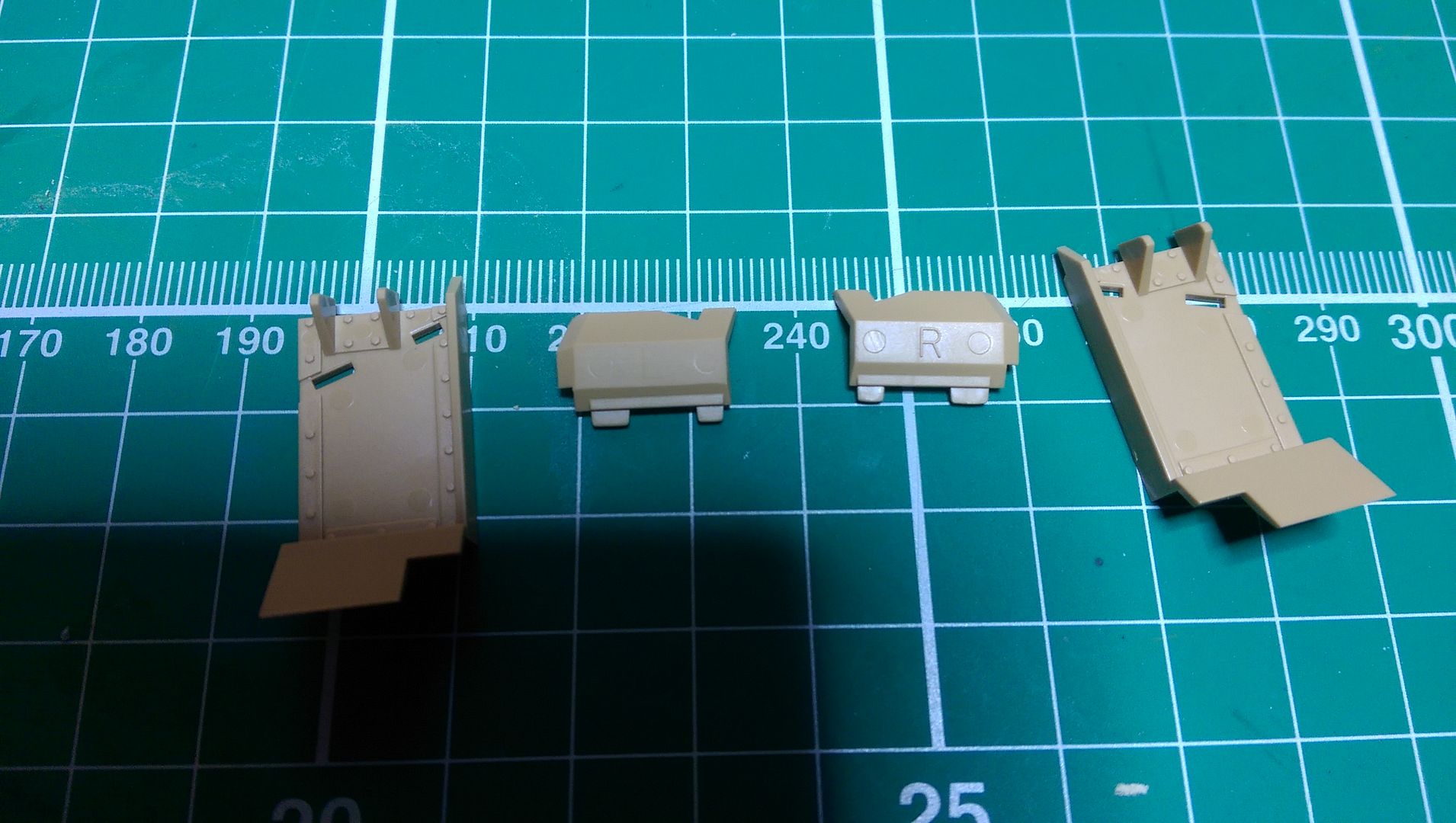
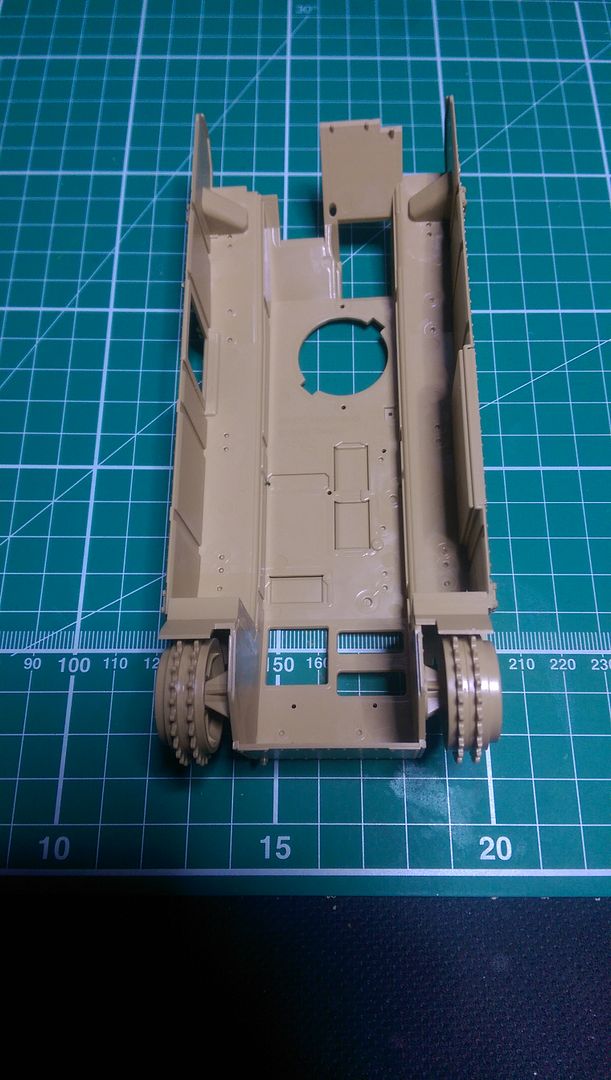
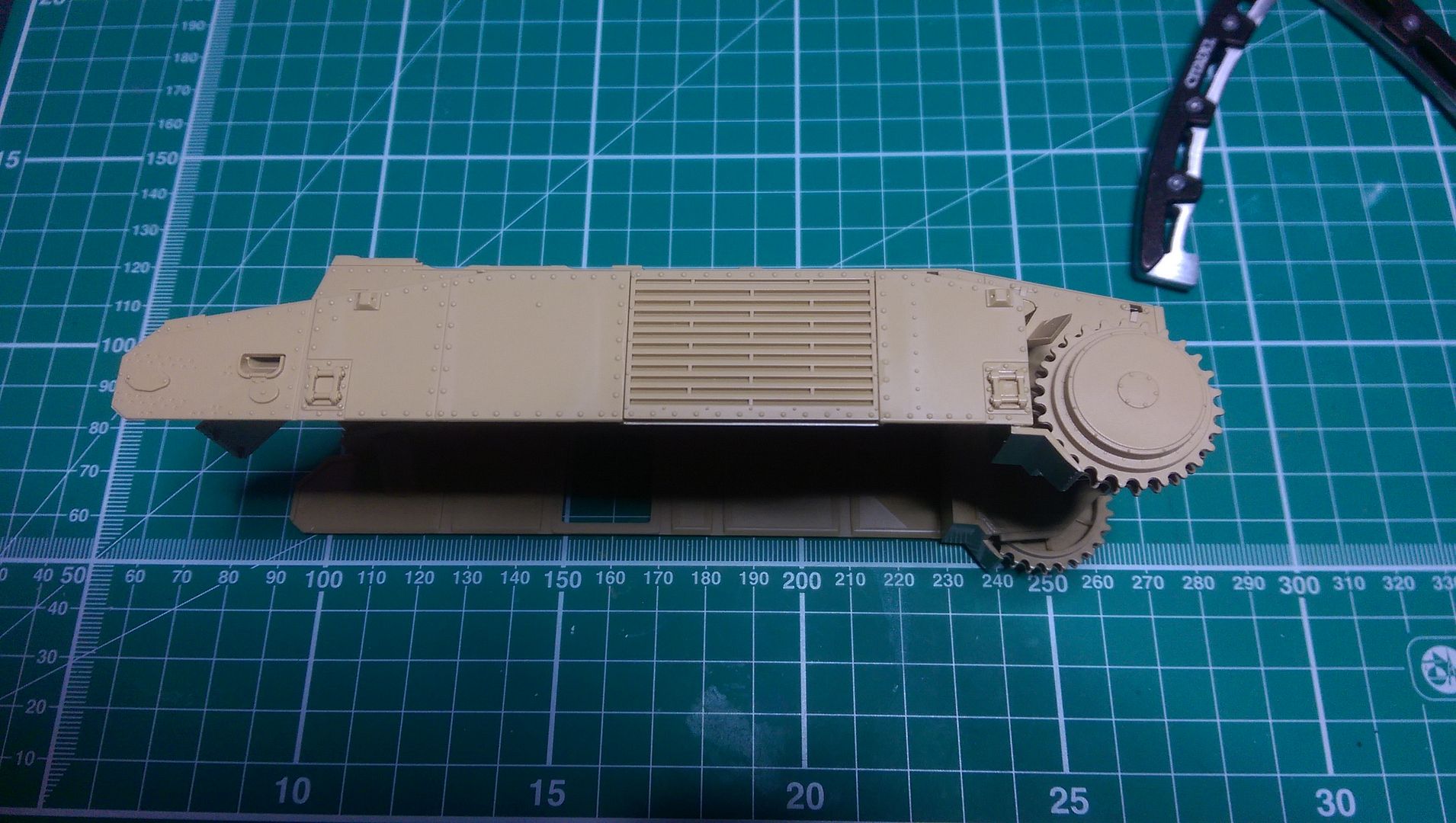


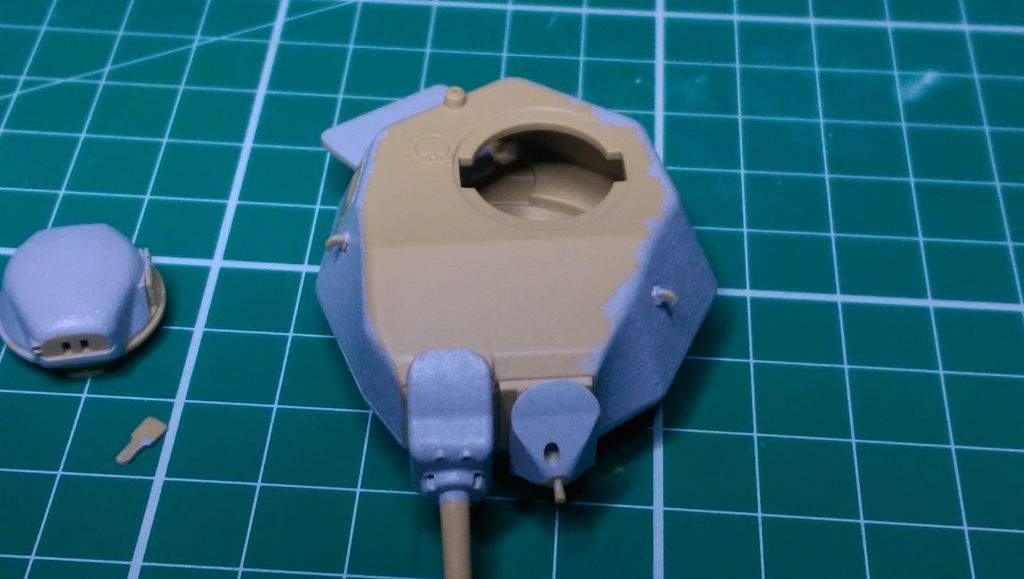
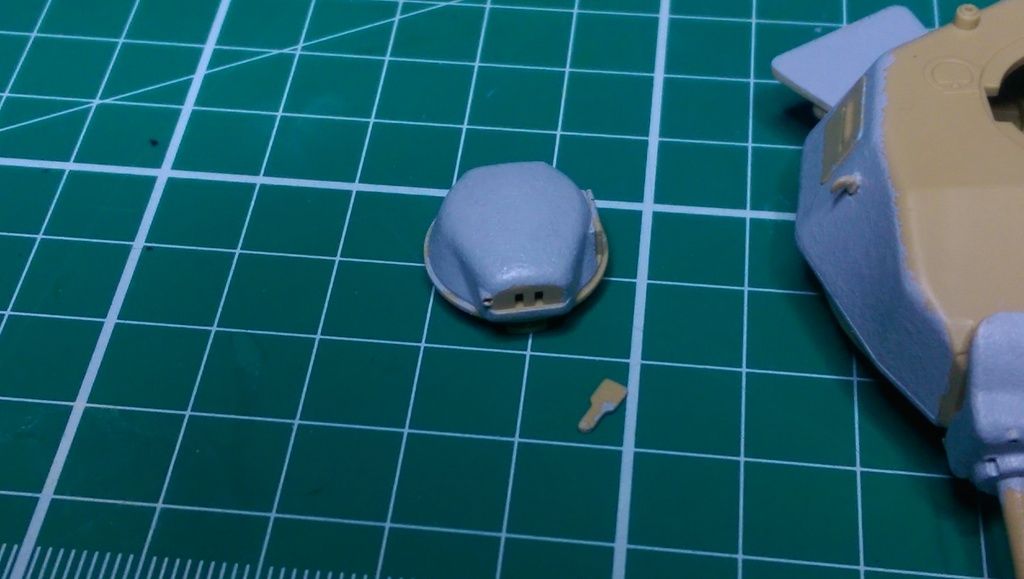
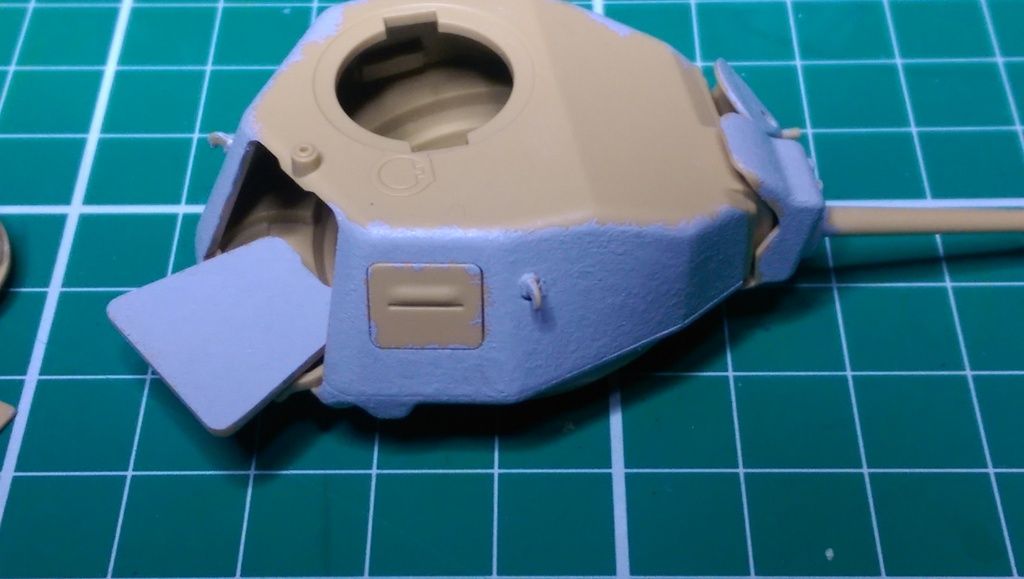
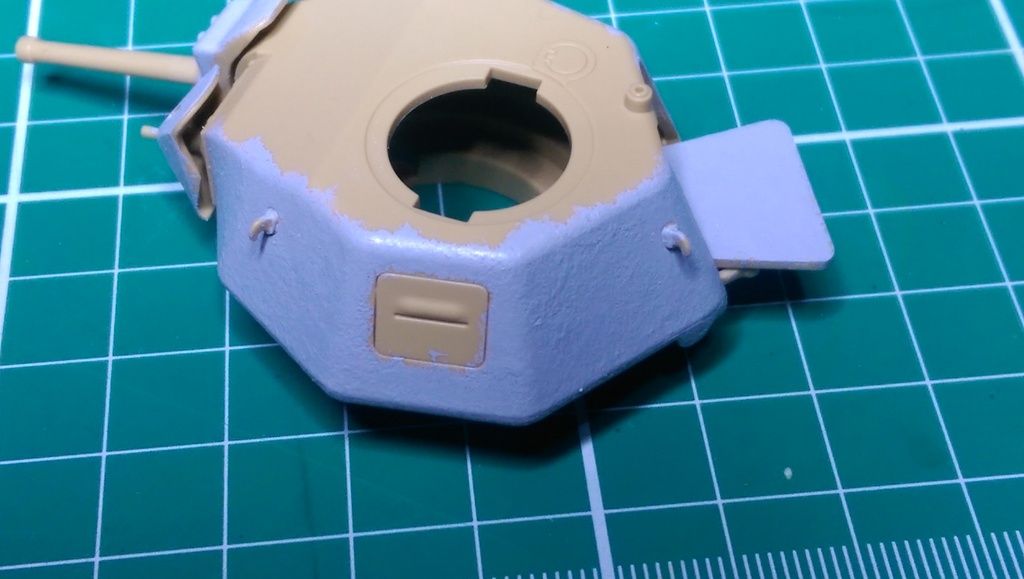
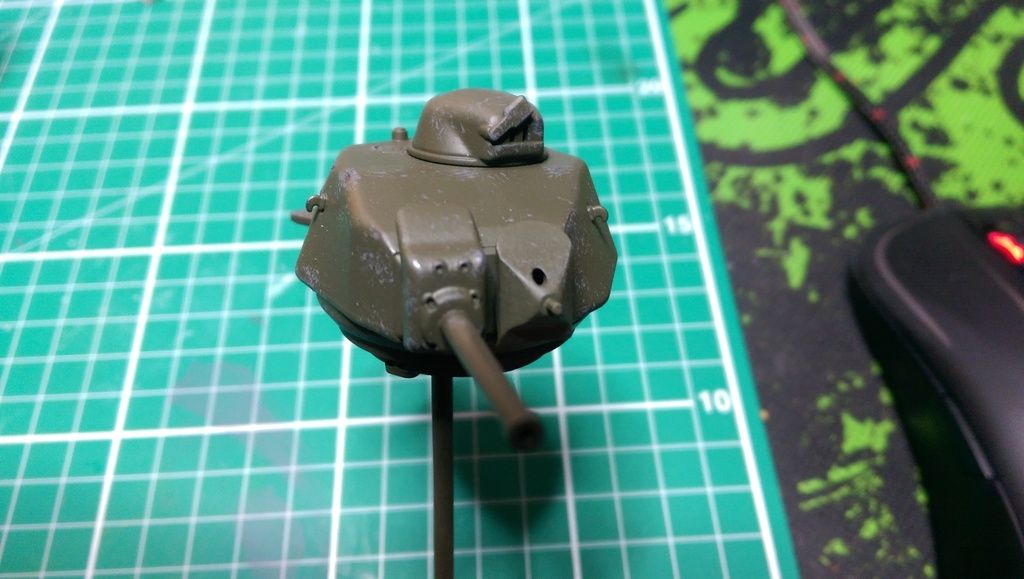
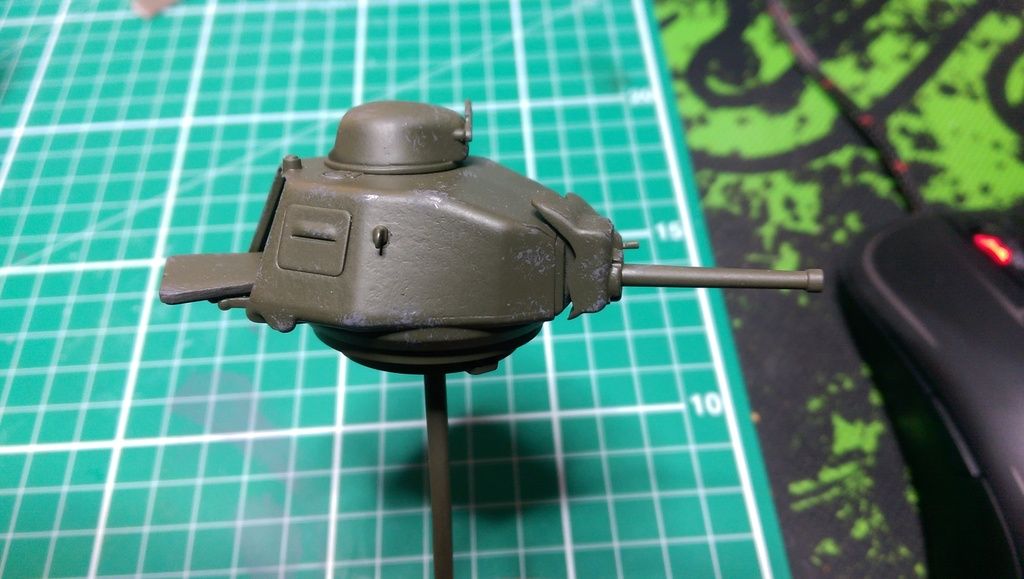
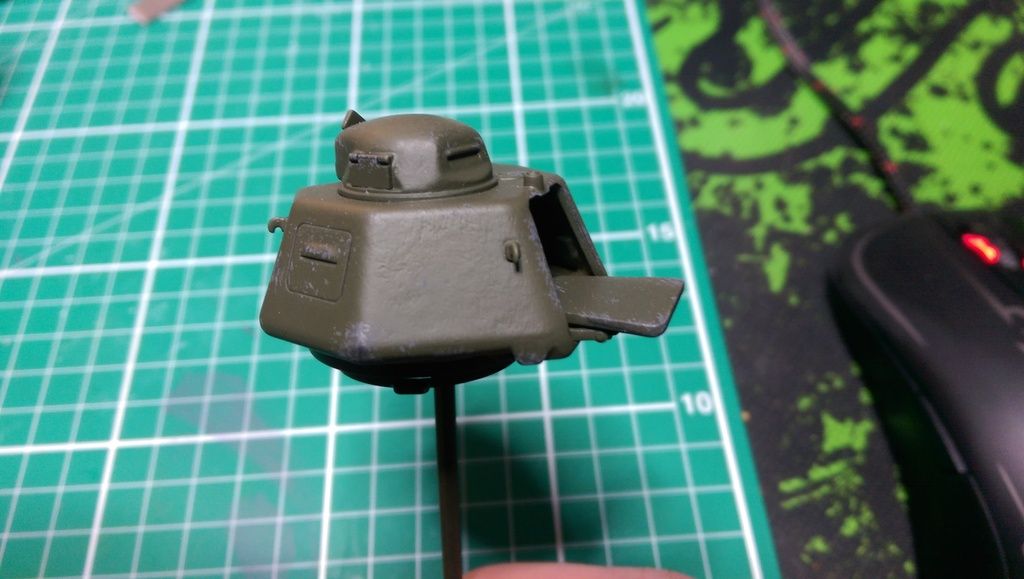
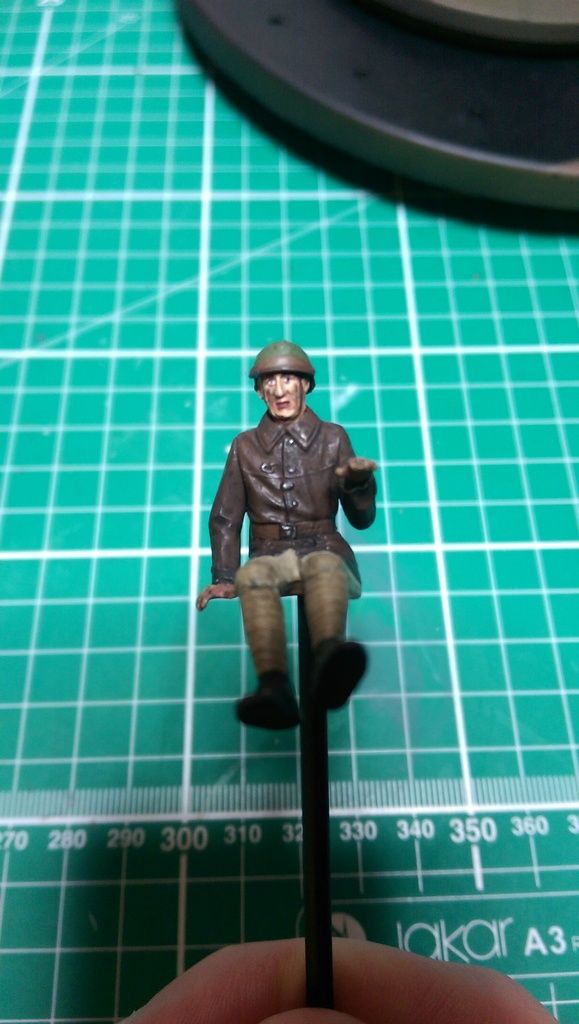
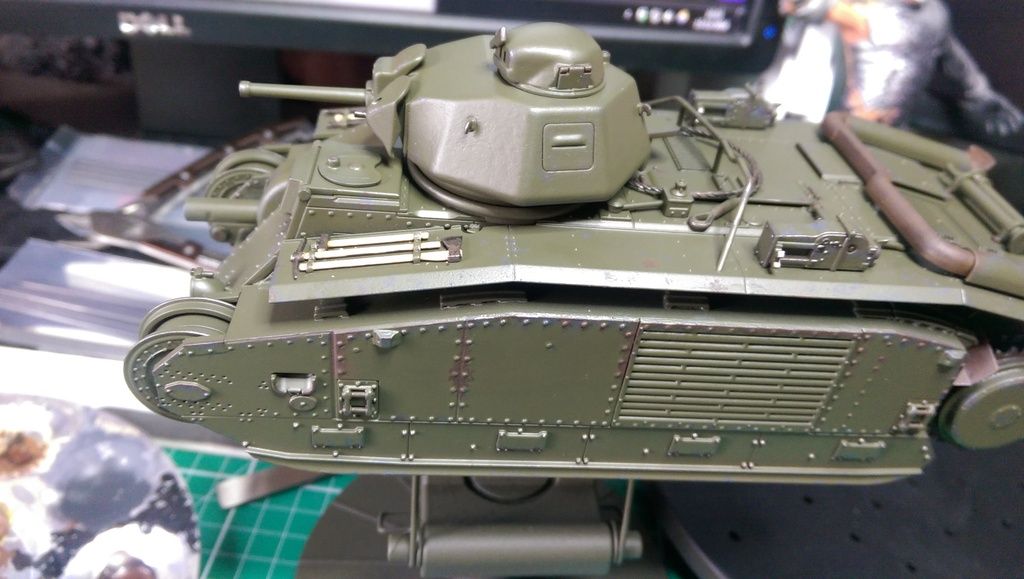
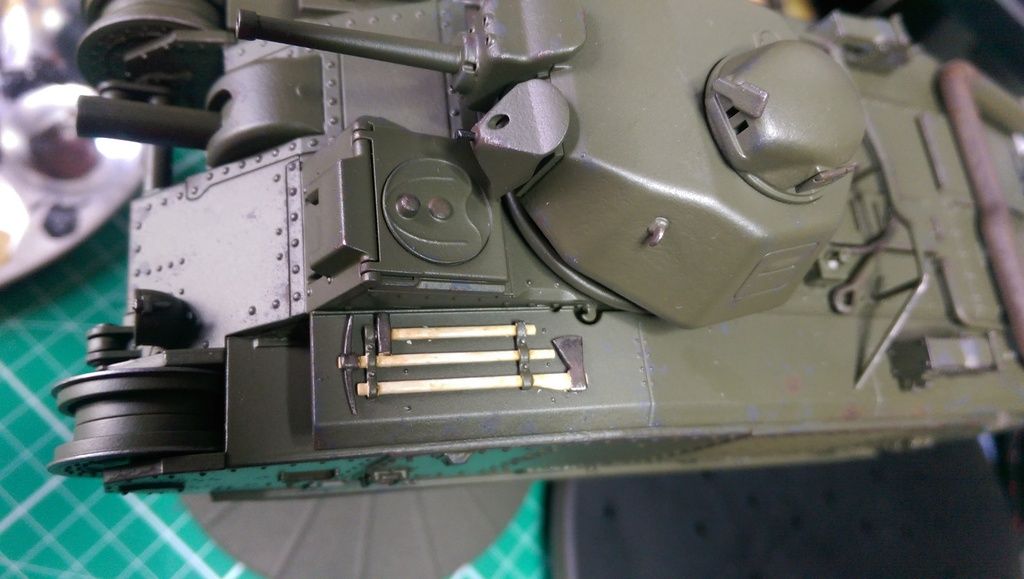
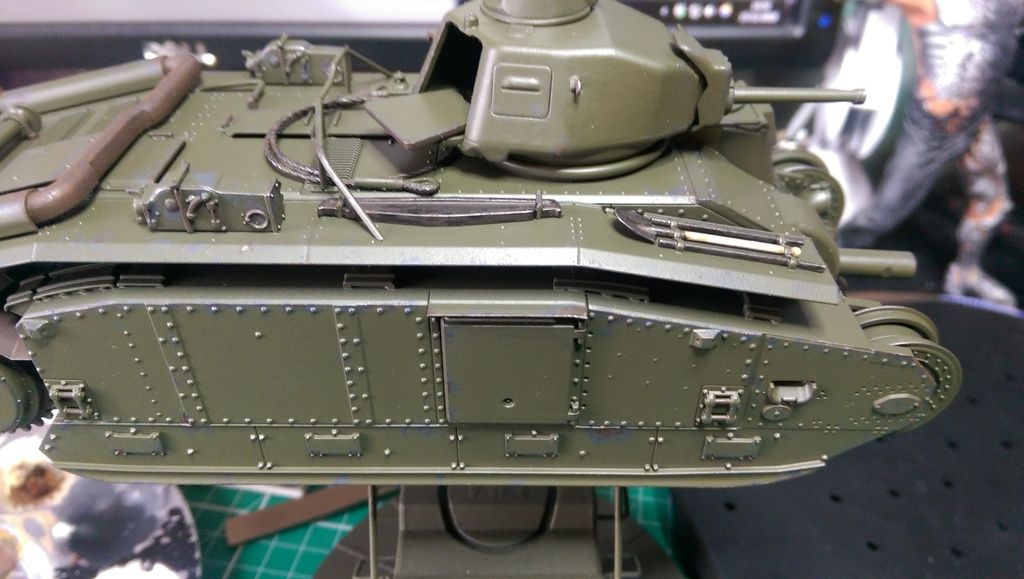
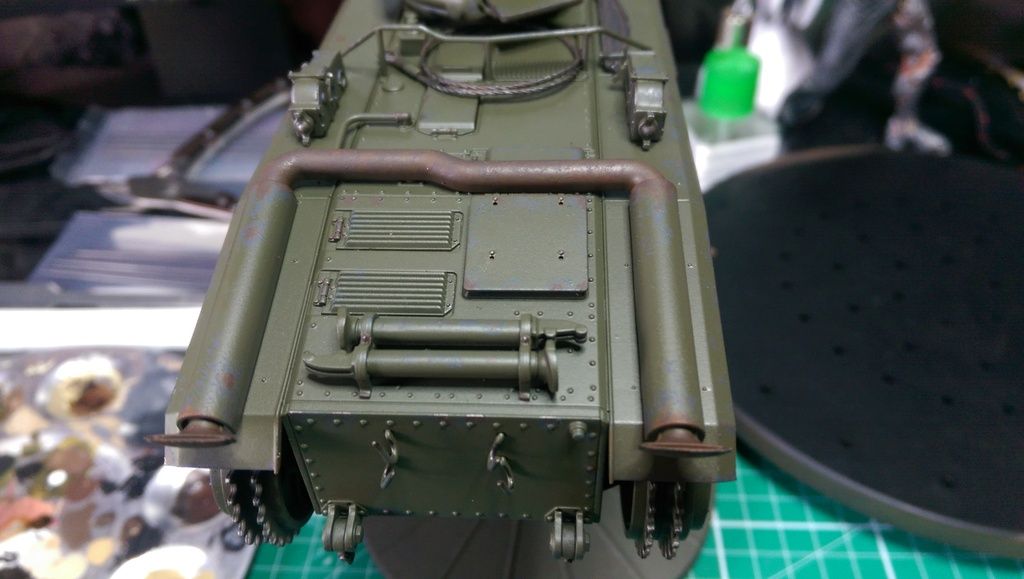




 ).
).


