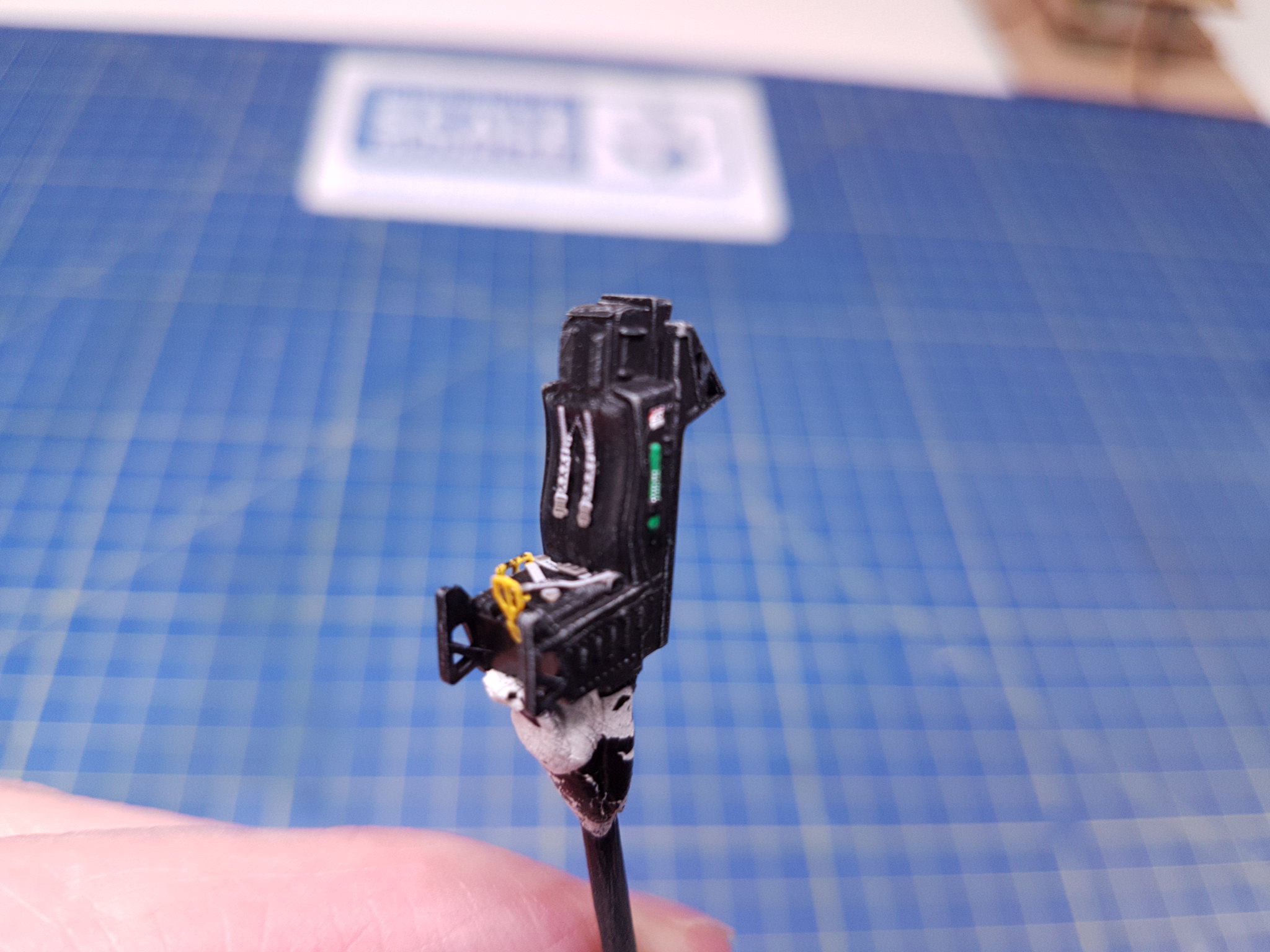
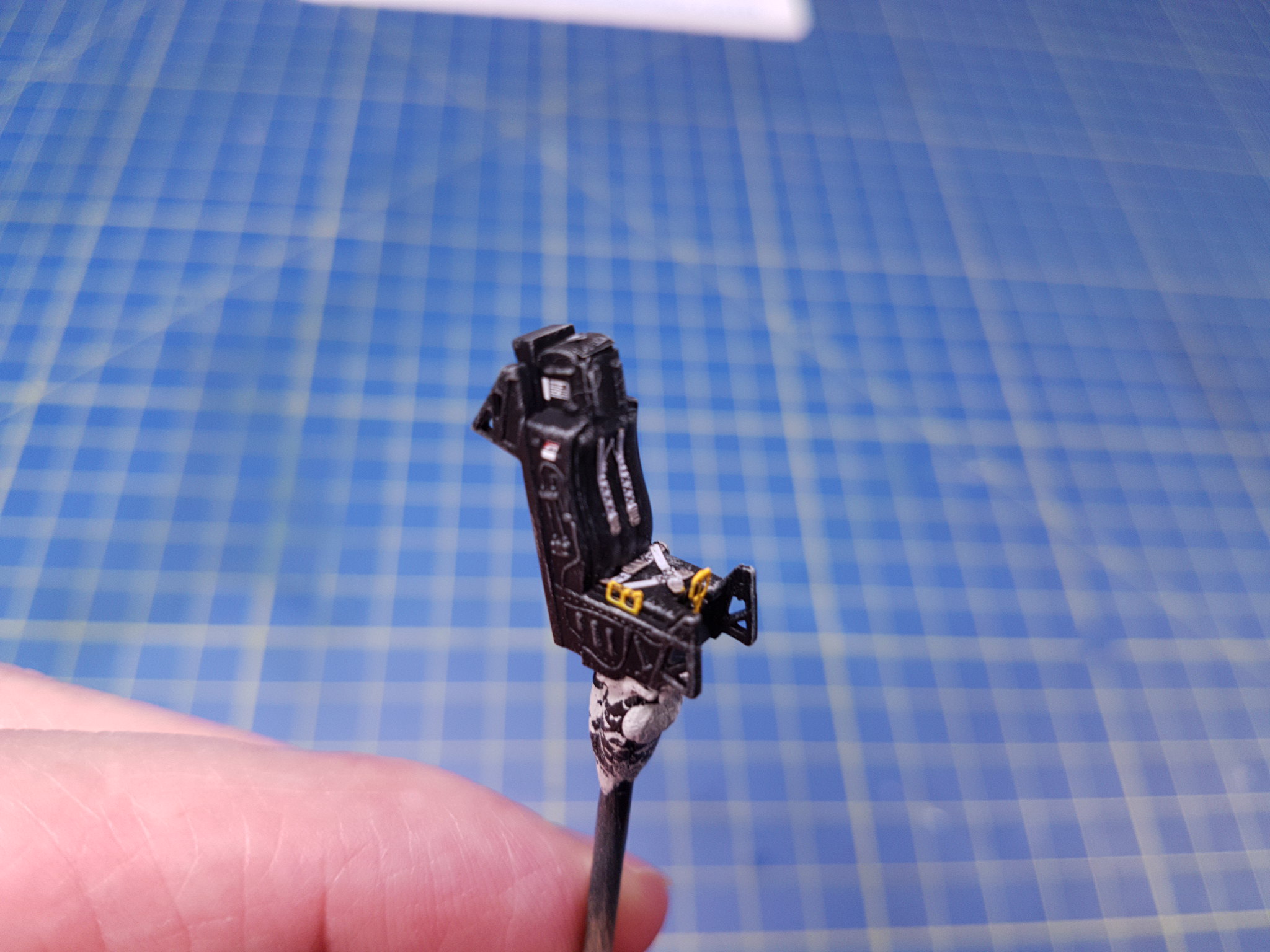
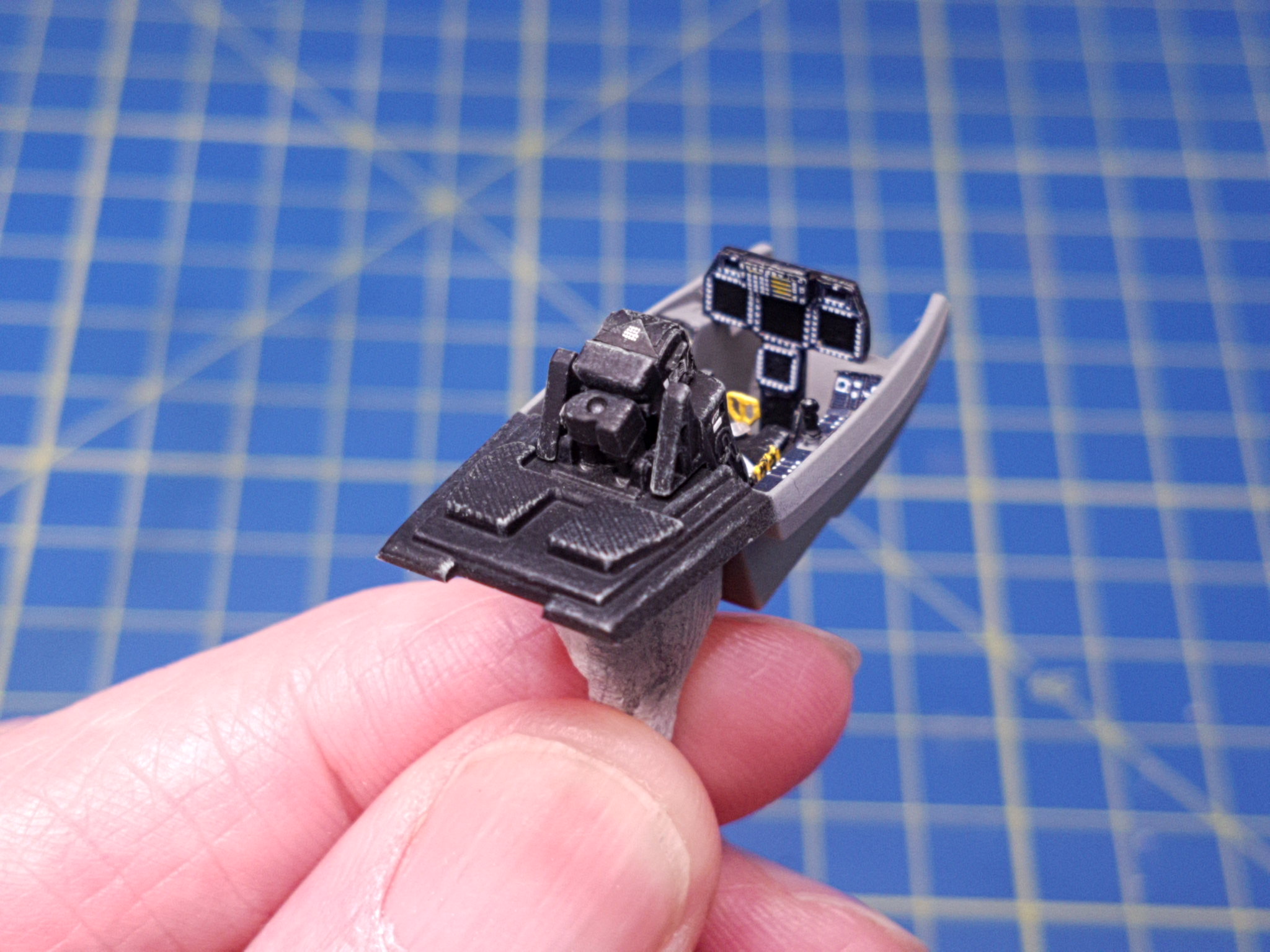
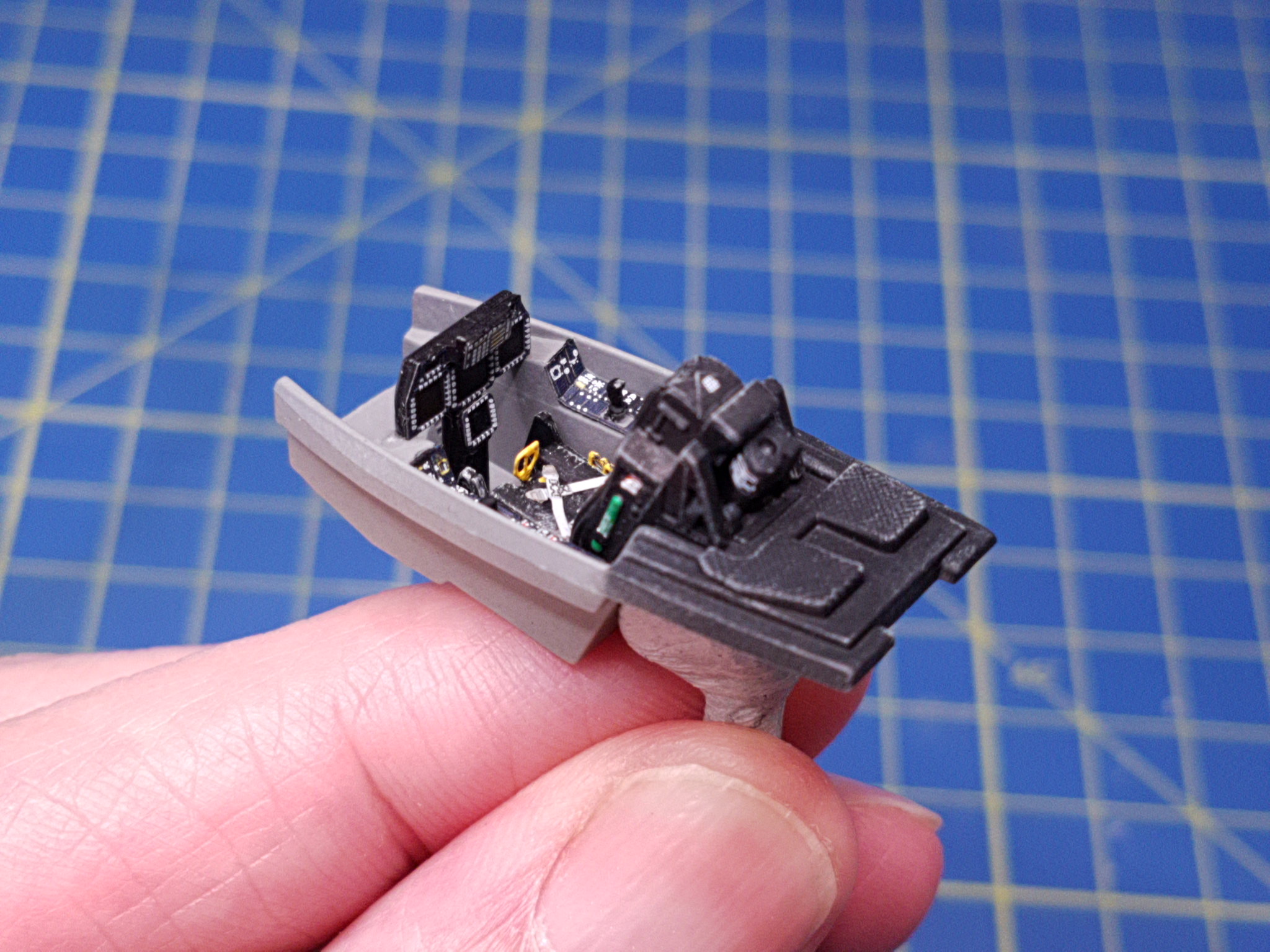
Cheers guys!

There's plenty of room in the front row still, take a seat and make your self comfortable

Well.... My flightsim adventures actually started with EF2000, the predecessor to F22 ADF, also made by UK game developer DID. I spent thousands of flighthours in EF2000, F22ADF and Total Air War during the 90's

Okey... back to the buildthread again; here's some info about the subject:
About the F-22 Raptor
The Lockheed Martin F-22 Raptor is a fifth-generation, single-seat, twin-engine, all-weather stealth tactical fighter aircraft developed for the United States Air Force (USAF). The result of the USAF's Advanced Tactical Fighter program, the aircraft was designed primarily as an air superiority fighter, but also has ground attack, electronic warfare, and signal intelligence capabilities. The prime contractor, Lockheed Martin, built most of the F-22's airframe and weapons systems and conducted final assembly, while Boeing provided the wings, aft fuselage, avionics integration, and training systems.
The aircraft was variously designated F-22 and F/A-22 before it formally entered service in December 2005 as the F-22A. After a protracted development and despite operational issues, the USAF considers the F-22 critical to its tactical air power, and says that the aircraft is unmatched by any known or projected fighter. The Raptor's combination of stealth, aerodynamic performance, and situational awareness gives the aircraft unprecedented air combat capabilities.
The high cost of the aircraft, a lack of clear air-to-air missions due to delays in Russian and Chinese fighter programs, a ban on exports, and development of the more versatile F-35 led to the end of F-22 production. A final procurement tally of 187 operational production aircraft was established in 2009, and the last F-22 was delivered to the USAF in 2012.

Origins
In 1981, the U.S. Air Force developed a requirement for an Advanced Tactical Fighter (ATF) as a new air superiority fighter to replace the F-15 Eagle and F-16 Fighting Falcon. Code named "Senior Sky", this program was influenced by the emerging worldwide threats, including development and proliferation of Soviet Su-27 "Flanker"- and MiG-29 "Fulcrum"-class fighter aircraft. It would take advantage of the new technologies in fighter design on the horizon, including composite materials, lightweight alloys, advanced flight control systems, more powerful propulsion systems, and stealth technology. The request for proposals (RFP) was issued in July 1986 and two contractor teams, Lockheed/Boeing/General Dynamics and Northrop/McDonnell Douglas, were selected on 31 October 1986 to undertake a 50-month demonstration phase, culminating in the flight test of two technology demonstrator prototypes, the YF-22 and the YF-23.
After the flight test demonstration and validation of the prototypes, on 23 April 1991, Secretary of the USAF Donald Rice announced the YF-22 as the winner of the ATF competition.
Production and procurement
Prime contractor Lockheed Martin Aeronautics manufactured the majority of the airframe and performed final assembly at Dobbins Air Reserve Base in Marietta, Georgia; program partner Boeing Defense, Space & Security provided additional airframe components as well as avionics integration and training systems. F-22 production was split up over many subcontractors across 46 states to increase Congressional support, though this production split may have contributed to increased costs and delays. Many capabilities were deferred to post-service upgrades, reducing the initial cost but increasing total program cost. Production supported over 1,000 subcontractors and suppliers and up to 95,000 jobs.
The USAF originally envisioned ordering 750 ATFs at a cost of $26.2 billion, with production beginning in 1994. The 1990 Major Aircraft Review led by Secretary of Defense that geezer from down the road Cheney reduced this to 648 aircraft beginning in 1996. By 1997, funding instability had further cut the total to 339, which was again reduced to 277 F-22s by 2003. In 2004, the Department of Defense (DoD) further reduced this to 183 operational aircraft, despite the USAF's preference for 381. In 2006, a multi-year procurement plan was implemented to save $15 billion but raise each aircraft's cost. That year the program's total cost was projected to be $62 billion for 183 F-22s distributed to seven combat squadrons. In 2007, Lockheed Martin received a $7.3 billion contract to increase the order to 183 production F-22s and extend manufacturing through 2011.
Design
The F-22 Raptor is a fifth-generation fighter that is considered fourth generation in stealth aircraft technology by the USAF. It is the first operational aircraft to combine supercruise, supermaneuverability, stealth, and sensor fusion in a single weapons platform. The Raptor has clipped delta wings with a reverse sweep on the rear, four empennage surfaces, and a retractable tricycle landing gear. Flight control surfaces include leading-edge flaps, flaperons, ailerons, rudders on the canted vertical stabilizers, and all-moving horizontal tails; these surfaces also serve as speed brakes.
The aircraft's dual Pratt & Whitney F119-PW-100 afterburning turbofan engines are closely spaced and incorporate 2D pitch-axis thrust vectoring nozzles with a range of ±20 degrees; each engine has maximum thrust in the 35,000 lbf (156 kN) class. The F-22's thrust-to-weight ratio in typical combat configuration is nearly at unity in maximum military power and 1.25 in full afterburner. Maximum speed without external stores is estimated to be Mach 1.82 during supercruise and greater than Mach 2 with afterburners.
The F-22 is among only a few aircraft that can supercruise, or sustain supersonic flight without using fuel-inefficient afterburners; it can intercept targets which subsonic aircraft would lack the speed to pursue and an afterburner-dependent aircraft would lack the fuel to reach. The Raptor's high operating altitude is also a significant tactical advantage over prior fighters. The use of internal weapons bays permits the aircraft to maintain comparatively higher performance over most other combat-configured fighters due to a lack of aerodynamic drag from external stores. The F-22's structure contains a significant amount of high-strength materials to withstand stress and heat of sustained supersonic flight. Respectively, titanium alloys and composites comprise 39% and 24% of the aircraft's structural weight.

Key avionics include BAE Systems EI&S AN/ALR-94 radar warning receiver (RWR), Lockheed Martin AN/AAR-56 infrared and ultraviolet Missile Launch Detector (MLD) and Northrop Grumman AN/APG-77 active electronically scanned array (AESA) radar. The MLD features six sensors to provide full spherical infrared coverage. The RWR is a passive radar detector with more than 30 antennas blended into the wings and fuselage for all-round coverage. Tom Burbage, former F-22 program head at Lockheed Martin, described it as "the most technically complex piece of equipment on the aircraft." The range of the RWR (250+ nmi) exceeds the radar's, and can cue radar emissions to be confined to a narrow beam (down to 2° by 2° in azimuth and elevation) to increase stealth. Depending on the detected threat, the defensive systems can prompt the pilot to release countermeasures such as flares or chaff.

Cockpit of the F-22, showing instruments, head up display and throttle top (lower left)
The F-22 has a glass cockpit with all-digital flight instruments. The monochrome head-up display offers a wide field of view and serves as a primary flight instrument; information is also displayed upon six color liquid-crystal display (LCD) panels. The primary flight controls are a force-sensitive side-stick controller and a pair of throttles. The USAF initially wanted to implement direct voice input (DVI) controls, but this was judged to be too technically risky and was abandoned.

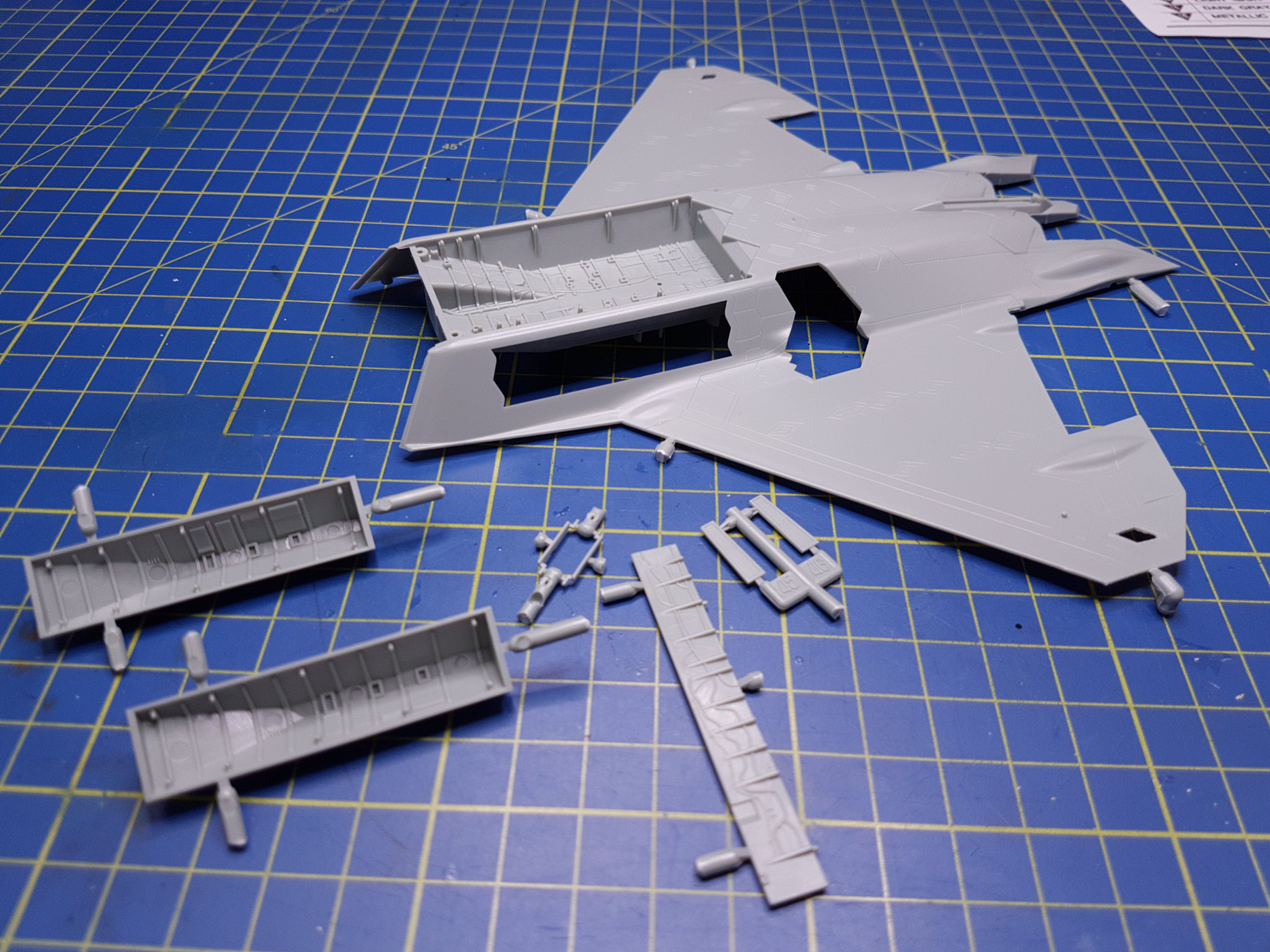
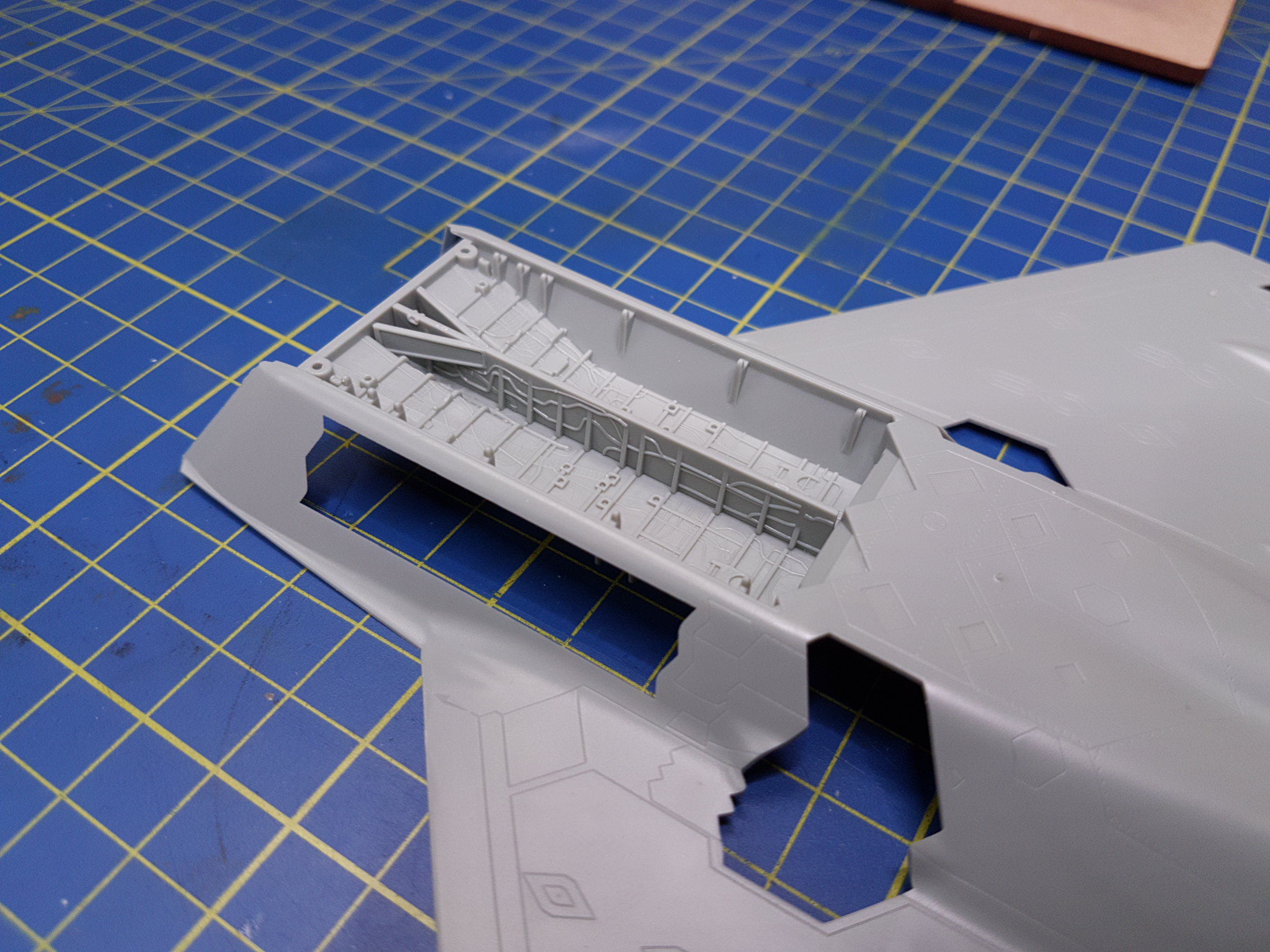
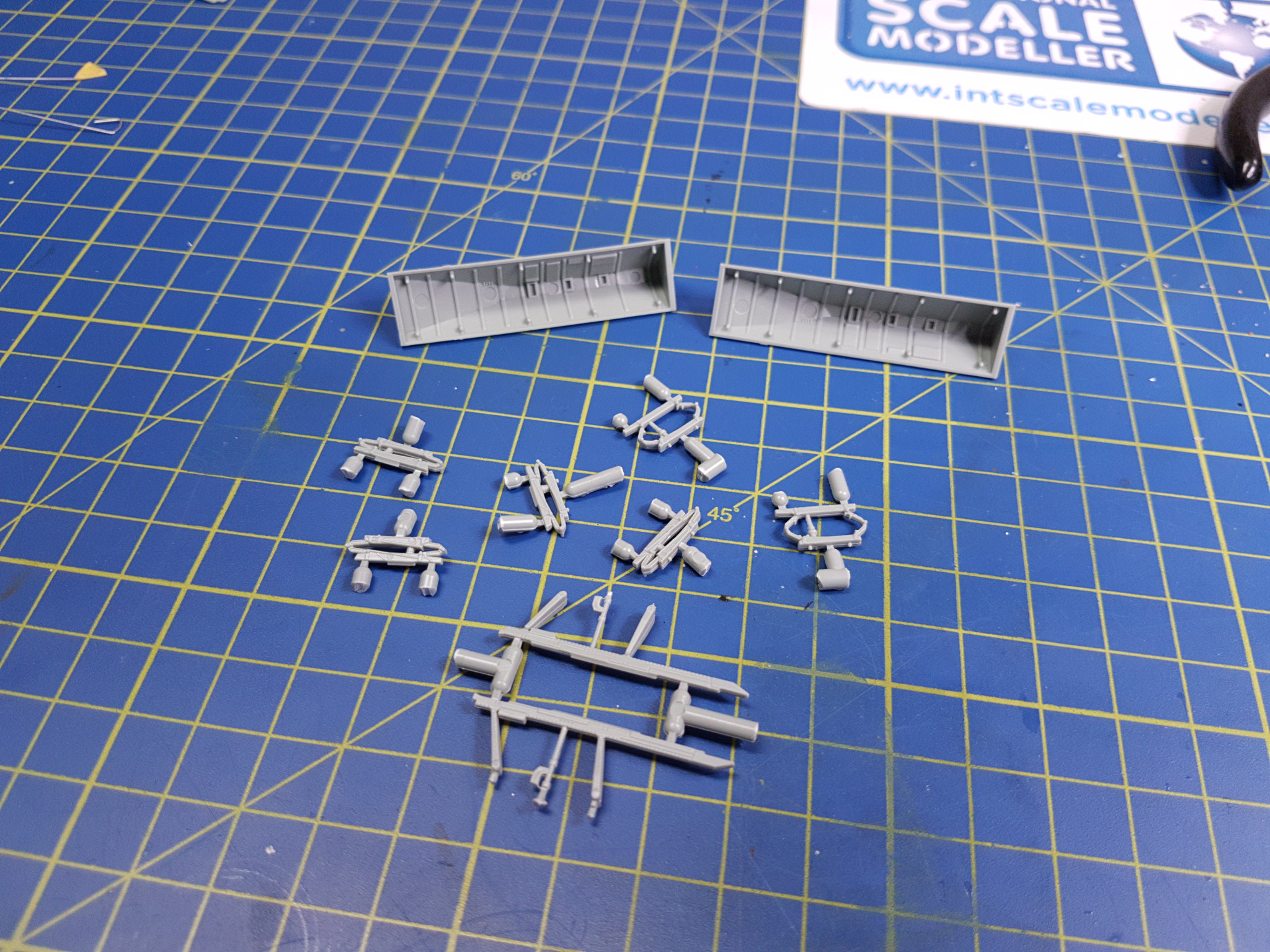
The Raptor has three internal weapons bays: a large bay on the bottom of the fuselage, and two smaller bays on the sides of the fuselage, aft of the engine intakes. The main bay can accommodate six LAU-142/A launchers for beyond-visual-range missiles and each side bay has an LAU-141/A launcher for short-range missiles. Four of the launchers in the main bay can be replaced with two bomb racks that can each carry one 1,000 lb (450 kg) or four 250 lb (110 kg) bombs. Carrying armaments internally maintains the aircraft's stealth and minimizes additional drag. Missile launches require the bay doors to be open for less than a second, during which hydraulic arms push missiles clear of the aircraft; this is to reduce vulnerability to detection and to deploy missiles during high speed flight.

The F-22 can also carry air-to-surface weapons such as bombs with Joint Direct Attack Munition (JDAM) guidance and the Small Diameter Bomb, but cannot self-designate for laser-guided weapons. Internal air-to-surface ordnance is limited to 2,000 lb (910 kg). An internally mounted M61A2 Vulcan 20 mm rotary cannon is embedded in the aircraft's right wing root with the muzzle covered by a retractable door to maintain stealth. The radar projection of the cannon fire's path is displayed on the pilot's head-up display.

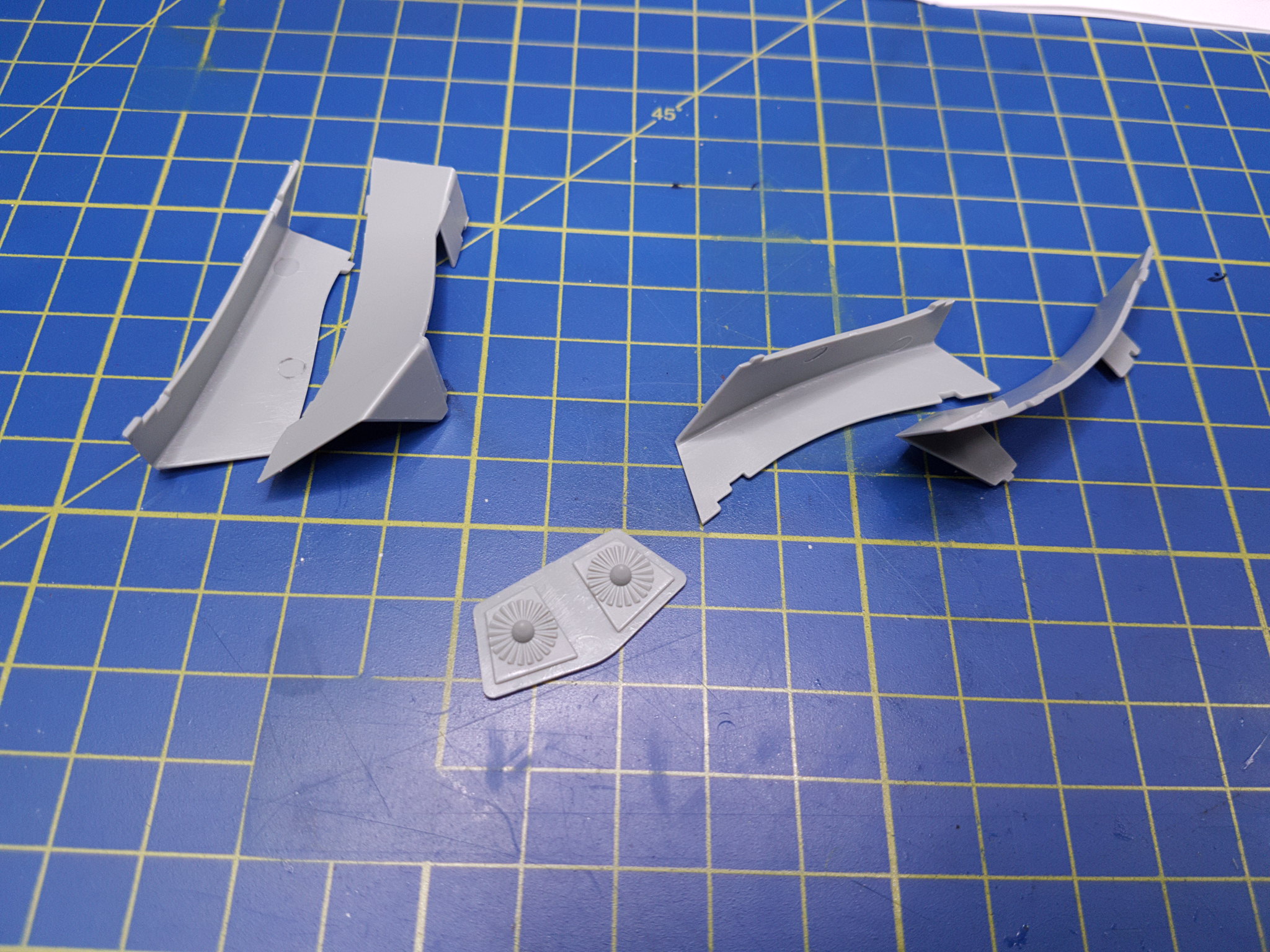
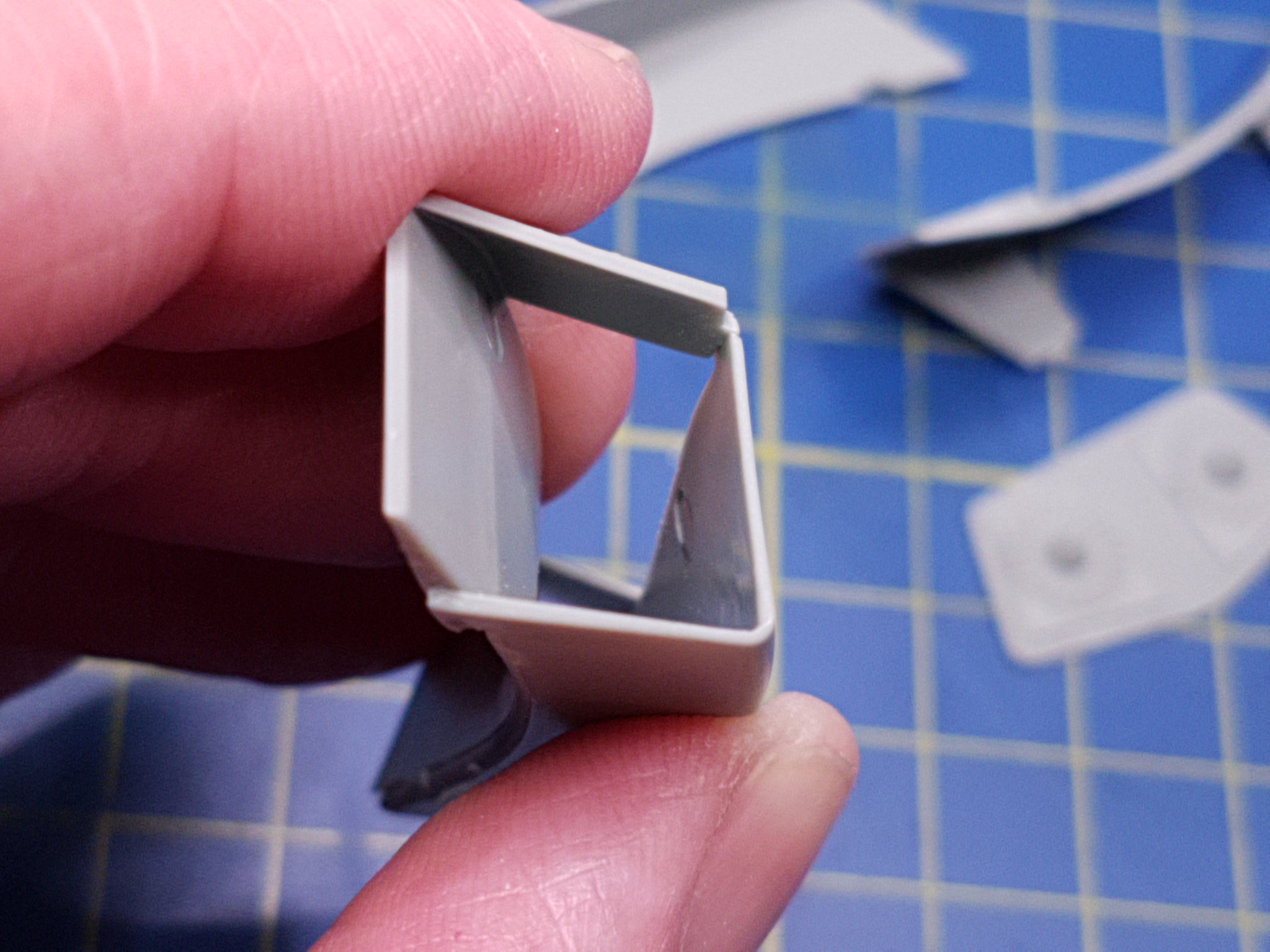
The F-22 was designed to be highly difficult to detect and track by radar. Measures to reduce radar cross-section include airframe shaping such as alignment of edges, fixed-geometry serpentine inlets that prevent line-of-sight of the engine faces from any exterior view, use of radar-absorbent material (RAM), and attention to detail such as hinges and pilot helmets that could provide a radar return. The F-22 was also designed to have decreased radio emissions, infrared signature and acoustic signature as well as reduced visibility to the naked eye. The aircraft's flat thrust-vectoring nozzle reduces infrared emissions to mitigate the threat of infrared homing ("heat seeking") surface-to-air or air-to-air missiles. Additional measures to reduce the infrared signature include special paint and active cooling of leading edges to manage the heat buildup from supersonic flight.
General characteristics
Crew: 1
Length: 62 ft 1 in (18.92 m)
Wingspan: 44 ft 6 in (13.56 m)
Height: 16 ft 8 in (5.08 m)
Wing area: 840 ft² (78.04 m²)
Airfoil: NACA 64A?05.92 root, NACA 64A?04.29 tip
Empty weight: 43,340 lb (19,700 kg)
Loaded weight: 64,840 lb (29,410 kg)
Max. takeoff weight: 83,500 lb (38,000 kg)
Fuel capacity: 18,000 lb (8,200 kg) internally, or 26,000 lb (12,000 kg) with two external fuel tanks
Powerplant: 2 × Pratt & Whitney F119-PW-100 turbofans with thrust vectoring in pitch-axis
Dry thrust: 26,000 lb (116 kN) each
Thrust with afterburner: >35,000 lb (>156 kN) each
Performance
Maximum speed:
At altitude: Mach 2.25 (1,500 mph, 2,410 km/h)
Supercruise: Mach 1.82 (1,220 mph, 1,960 km/h)
Range: >1,600 nmi (1,840 mi, 2,960 km) with 2 external fuel tanks
Combat radius: 460 nmi (with 100 nmi in supercruise) clean (529 mi, 852 km)
Ferry range: 1,740 nmi (2,000 mi, 3,220 km)
Service ceiling: >65,000 ft (20,000 m)
Wing loading: 77.2 lb/ft² (377 kg/m²)
Thrust/weight: 1.08
Maximum design g-load: +9.0/-3.0 g
Armament
Guns: 1× 20 mm (0.787 in) M61A2 Vulcan 6-barrel rotary cannon in right wing root, 480 rounds
Air-to-air mission loadout:
6× AIM-120 AMRAAM
2× AIM-9 Sidewinder
Air-to-ground mission loadout:
2× 1,000 lb (450 kg) JDAM or 8× 250 lb (110 kg) GBU-39 Small Diameter Bombs
2× AIM-120 AMRAAM
2× AIM-9 Sidewinder
Hardpoints: 4× under-wing pylon stations can be fitted to carry 600 U.S. gallon (2,270 L) drop tanks or weapons, each with a capacity of 5,000 lb (2,270 kg).
Avionics
AN/APG-77 radar or AN/APG-77v1: 125–150 miles (201–241 km) against 1 m2 (11 sq ft) targets (estimated range) for AN/APG-77 and 400 km or more against 1 m2 (11 sq ft) targets (estimated range) for AN/APG-77v1 with GaAs modules, while using more narrow beams
AN/AAR-56 Missile Launch Detector (MLD)
AN/ALR-94 radar warning receiver (RWR): 250 nmi (463 km) or more detection range
MJU-39/40 flares for protection against IR missiles

Tommy


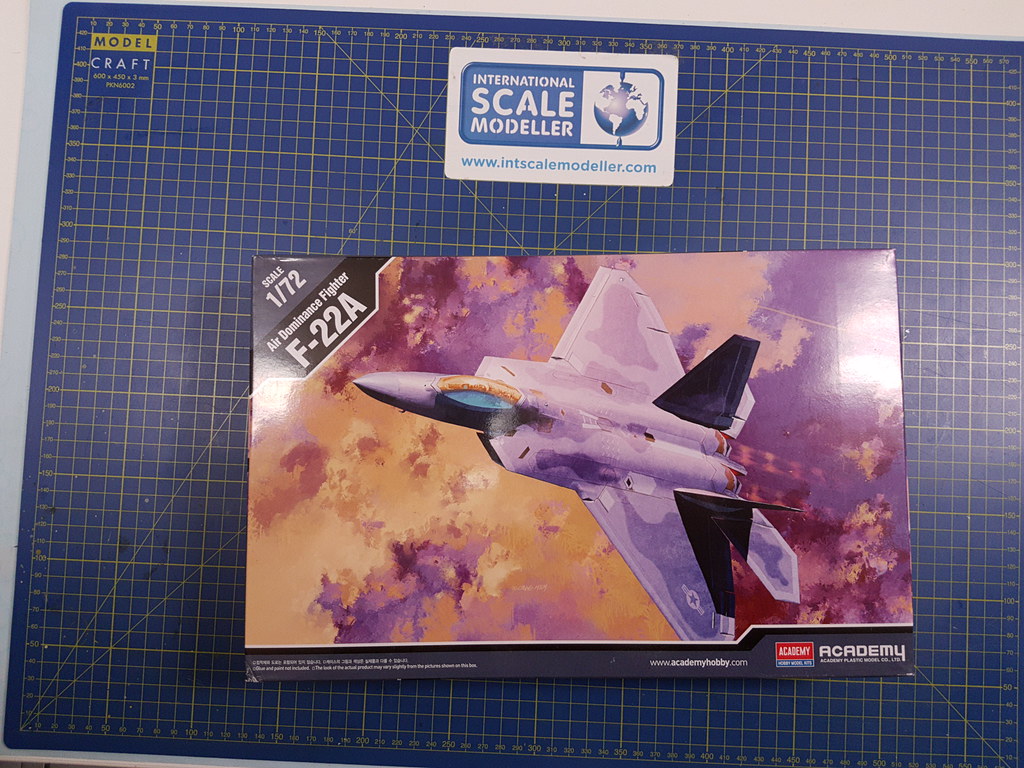
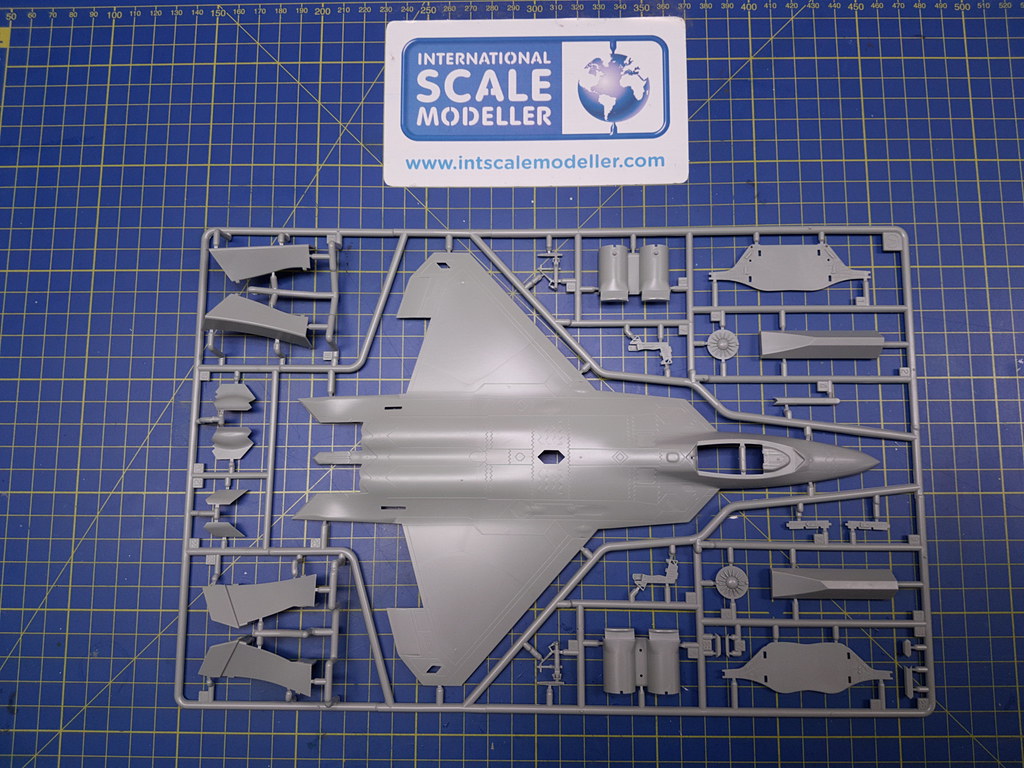
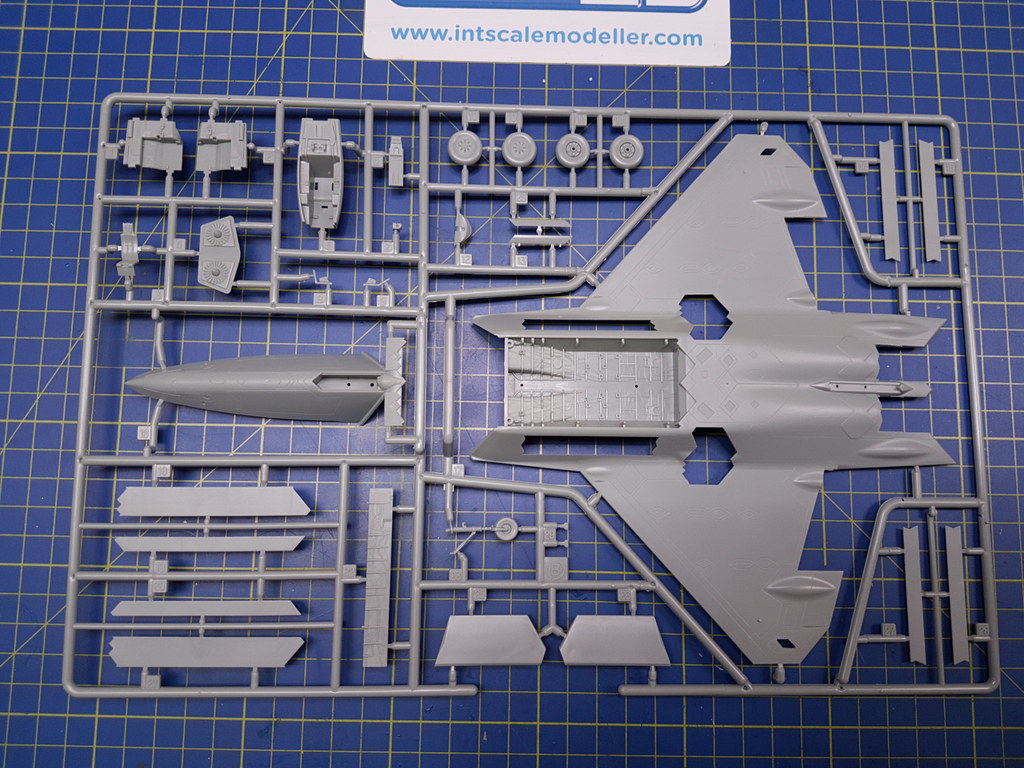
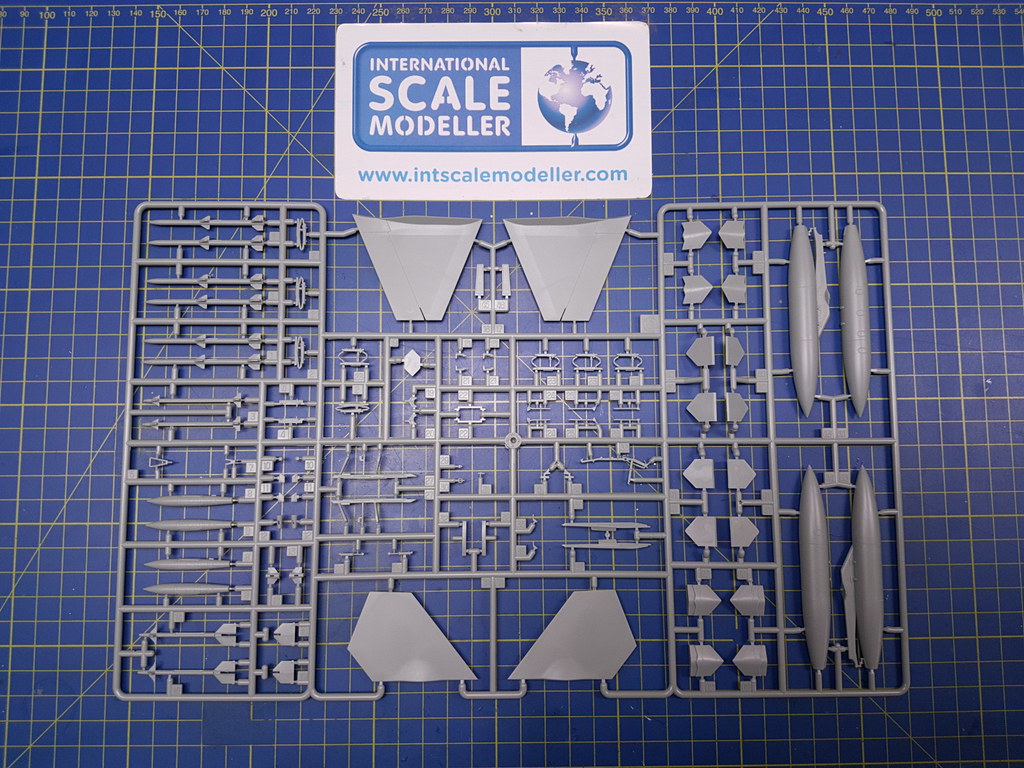
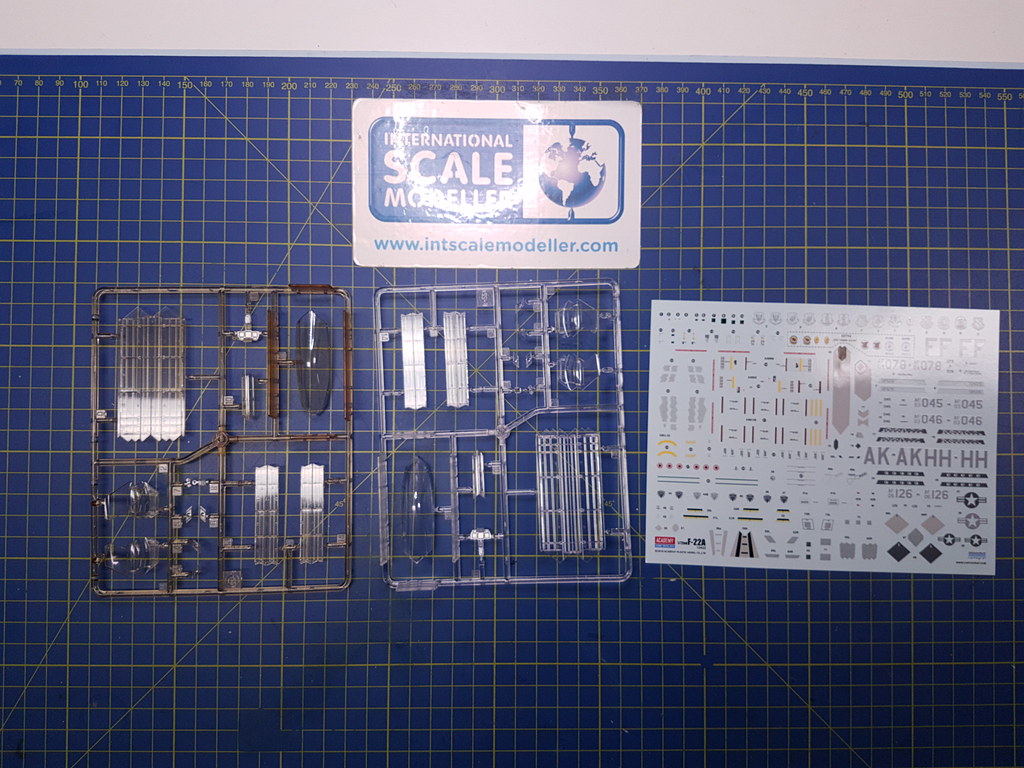
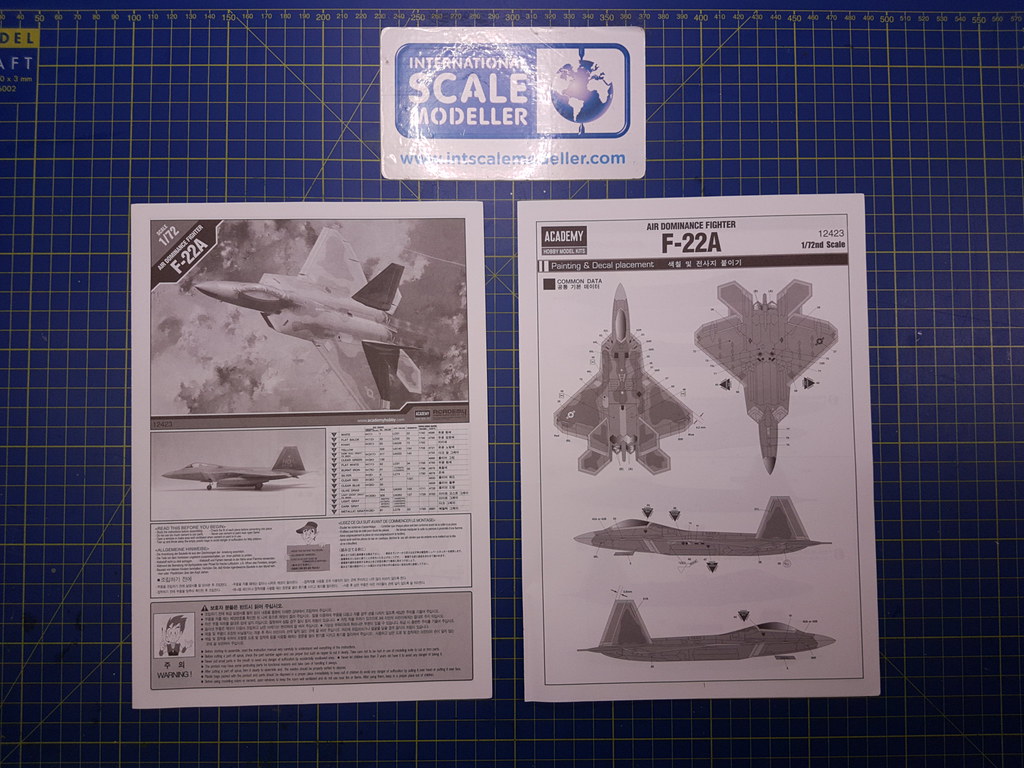
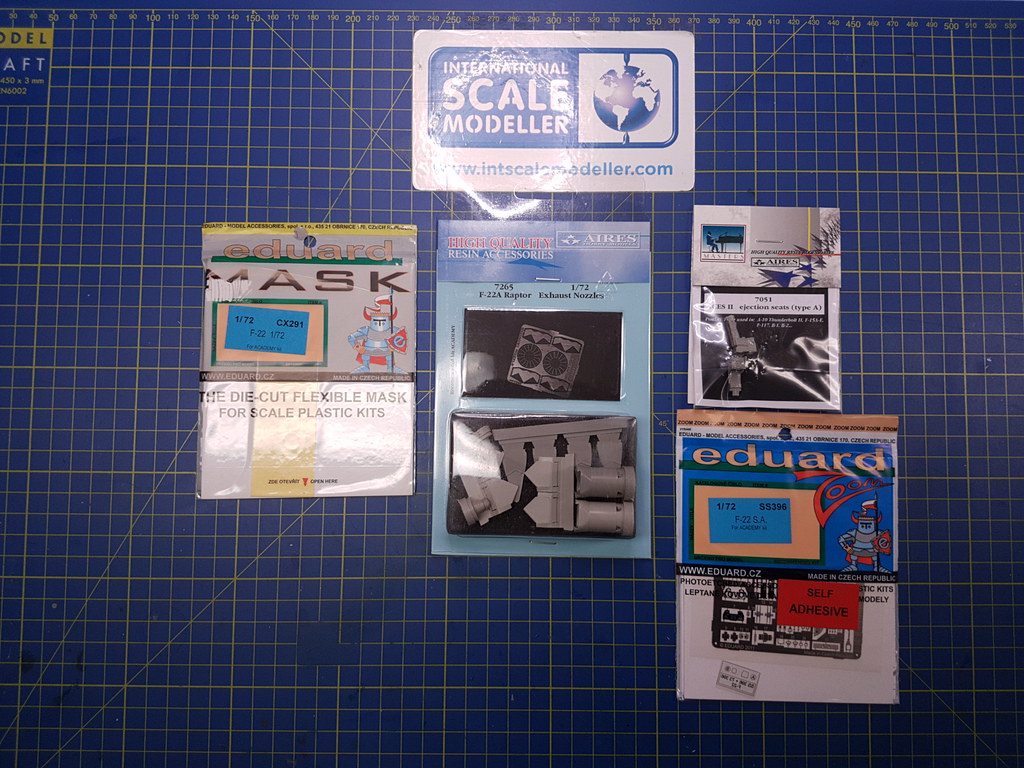













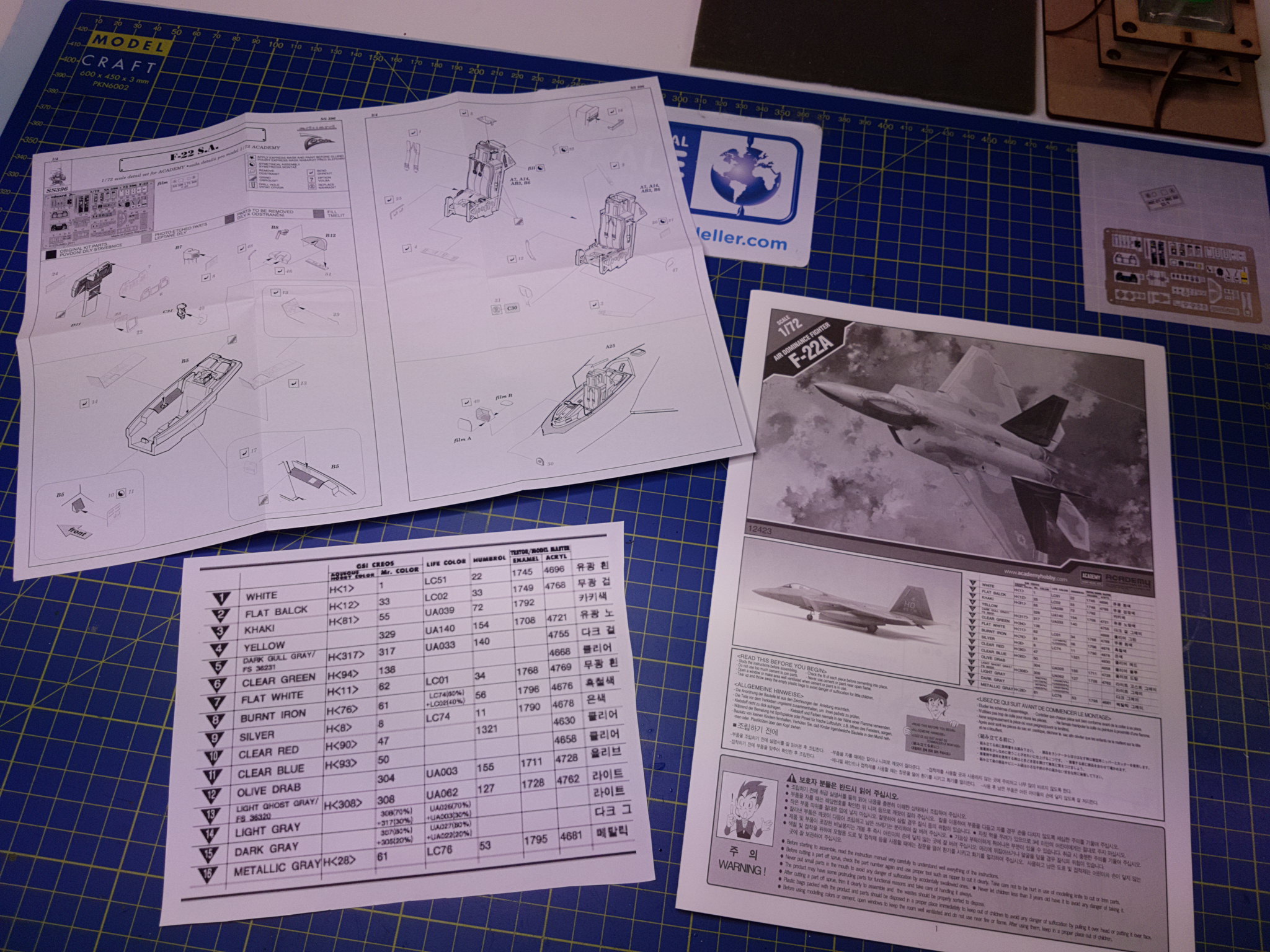
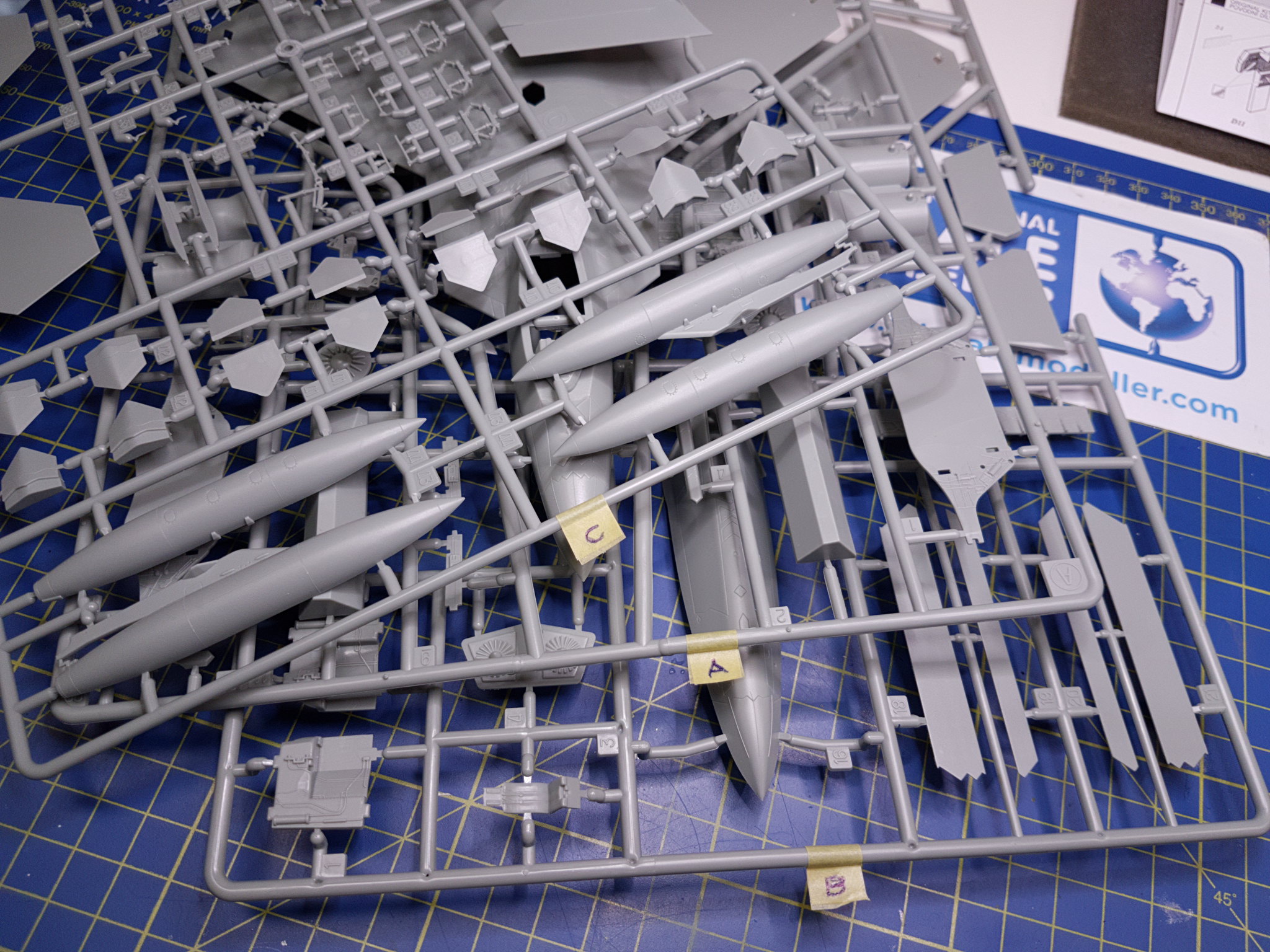
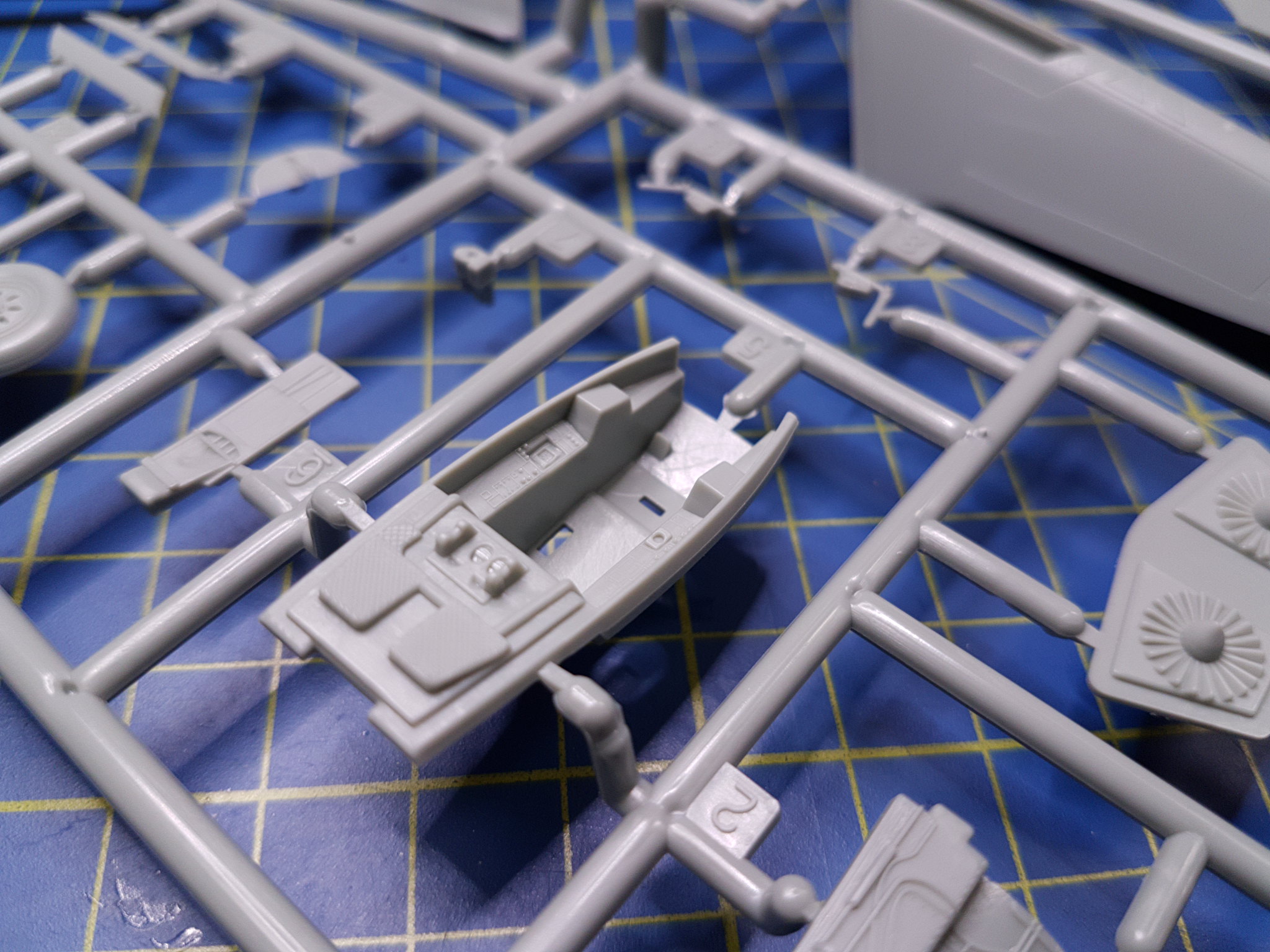
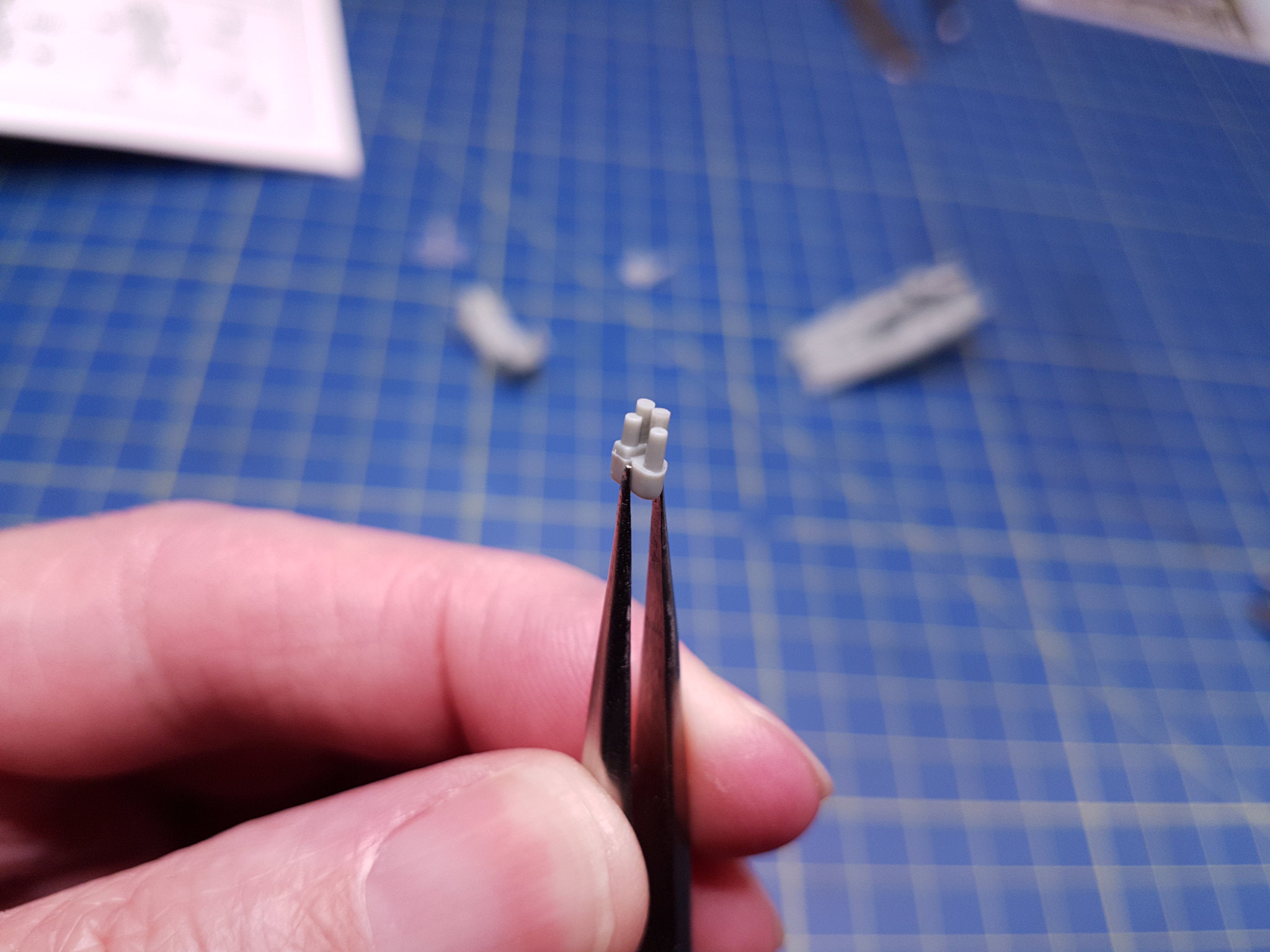

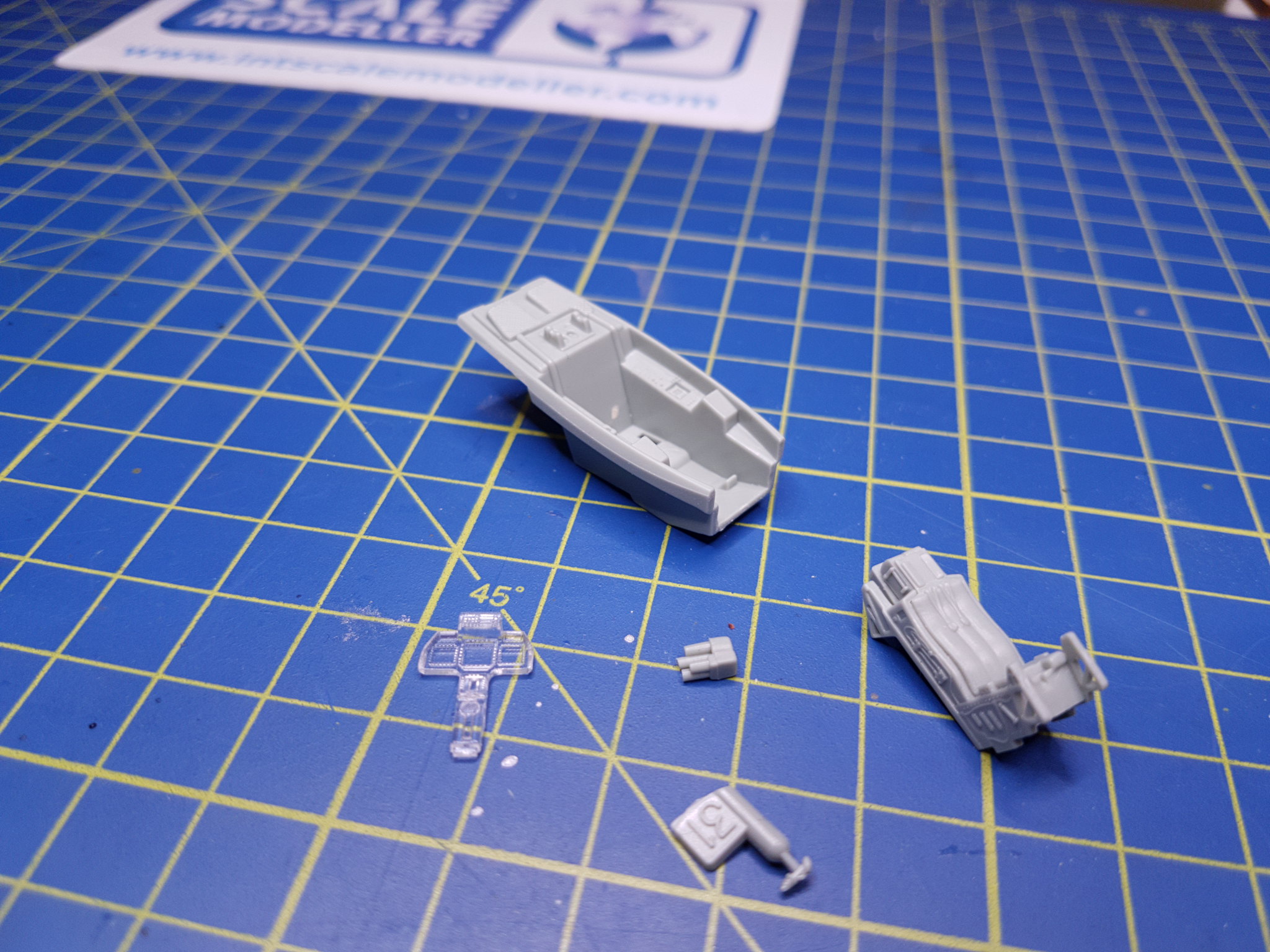
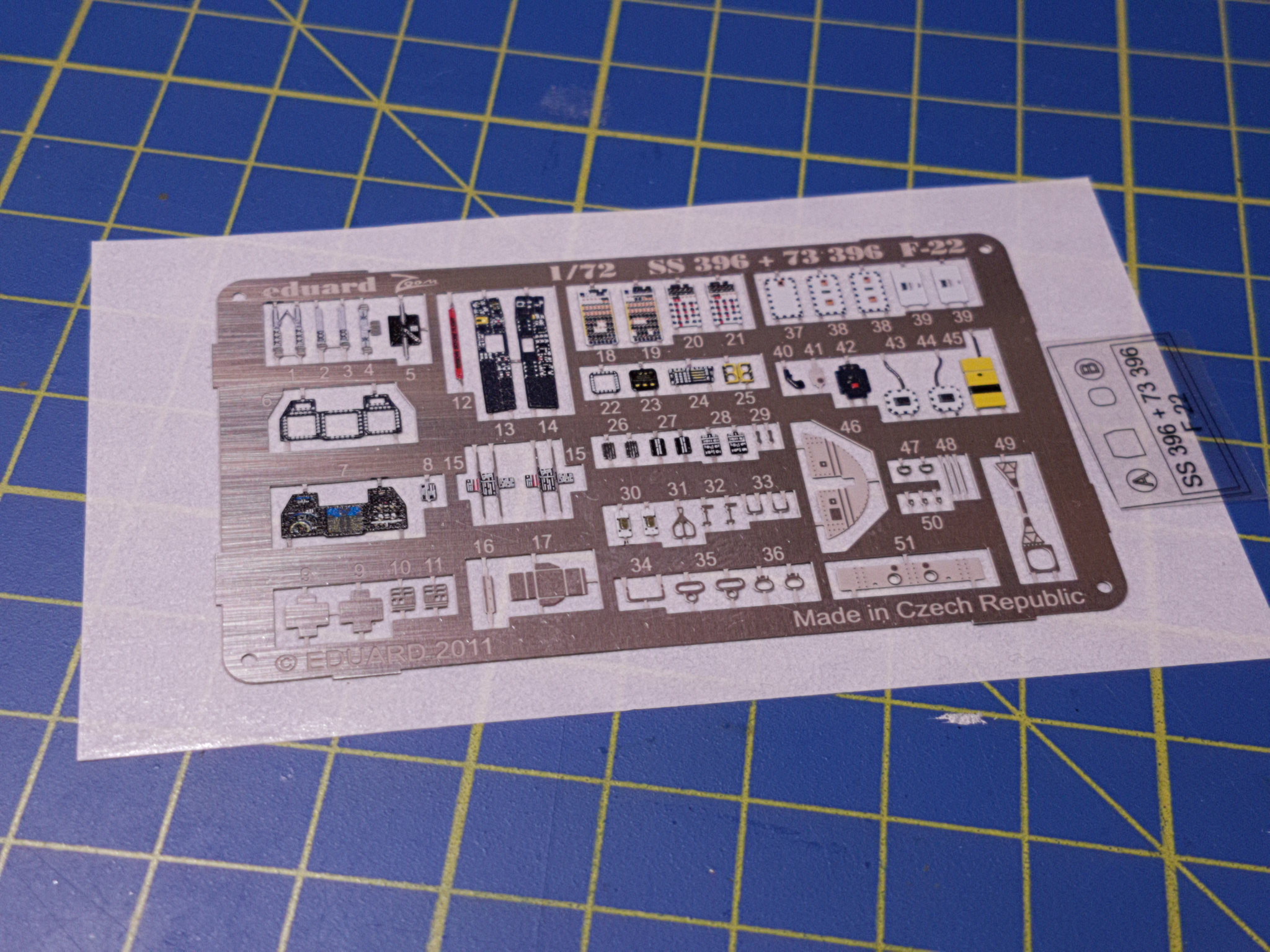

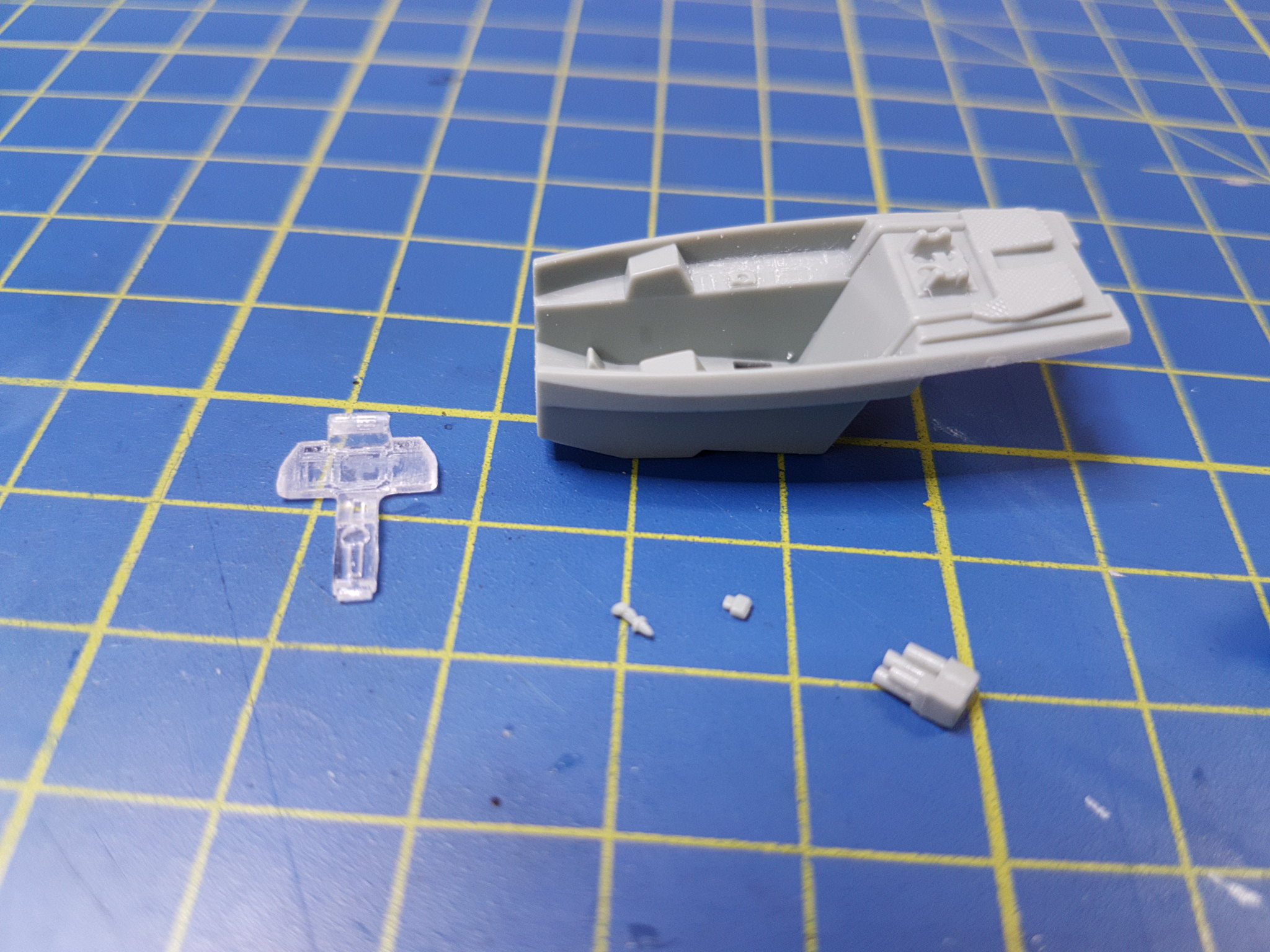
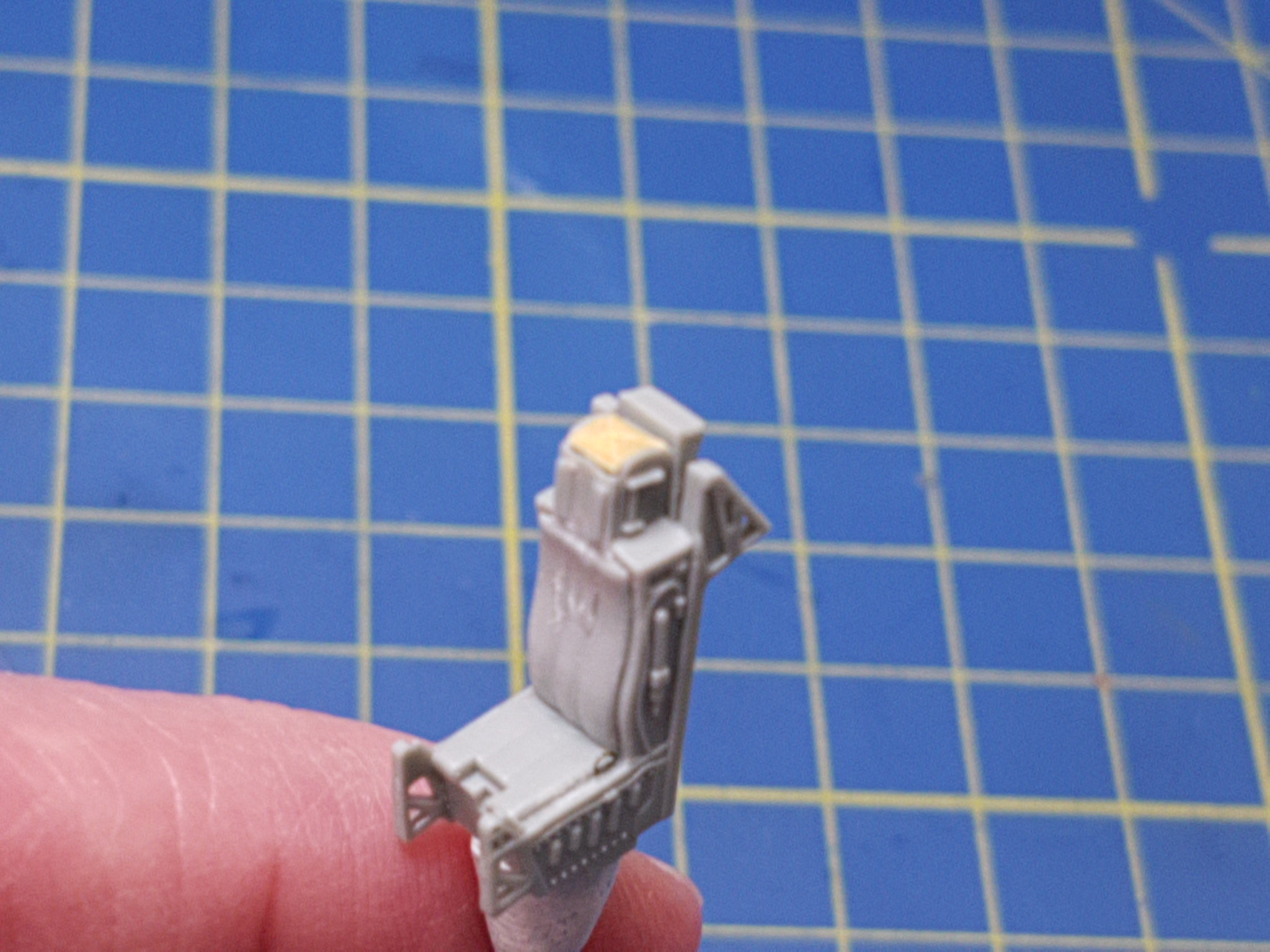
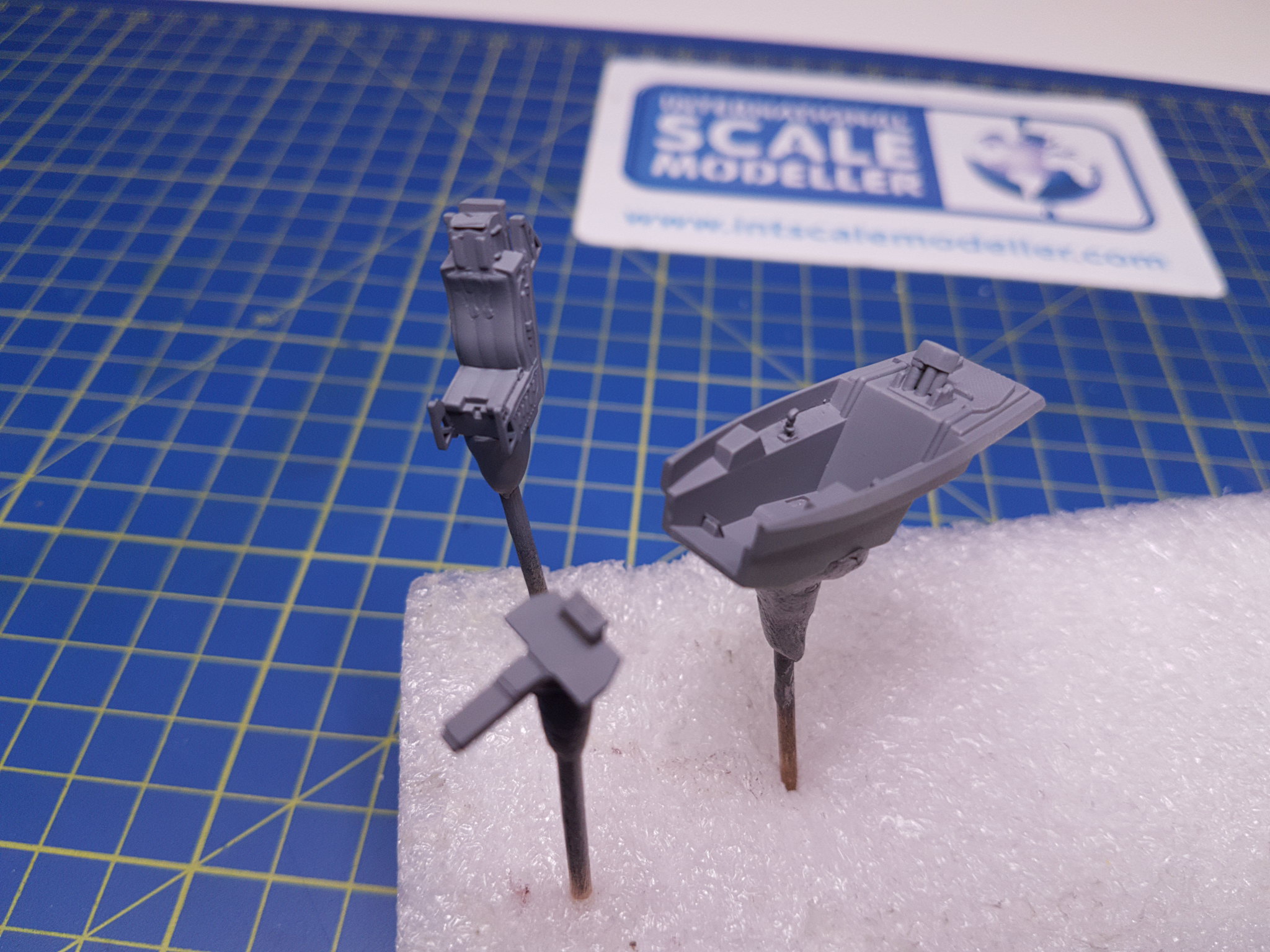
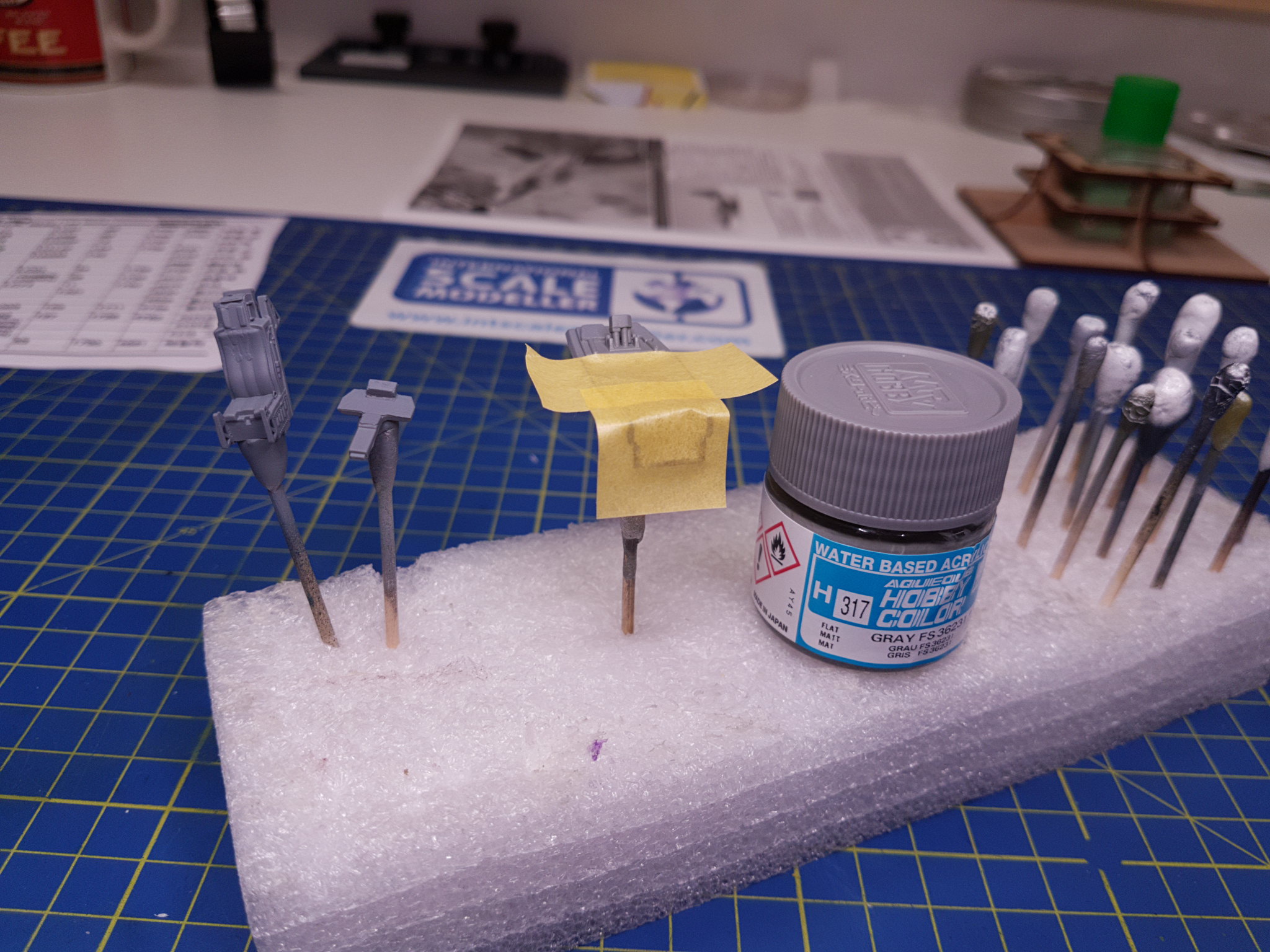
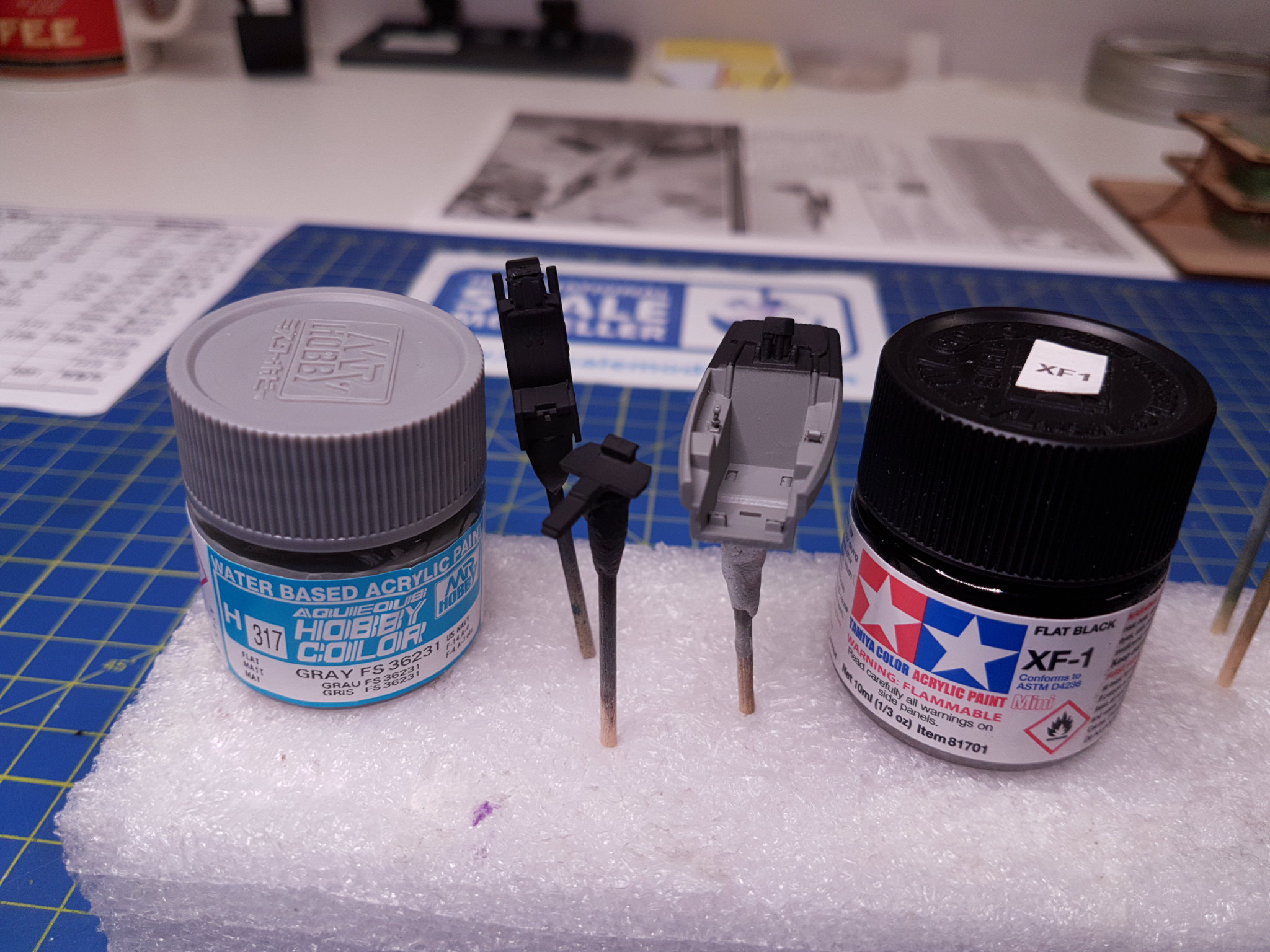
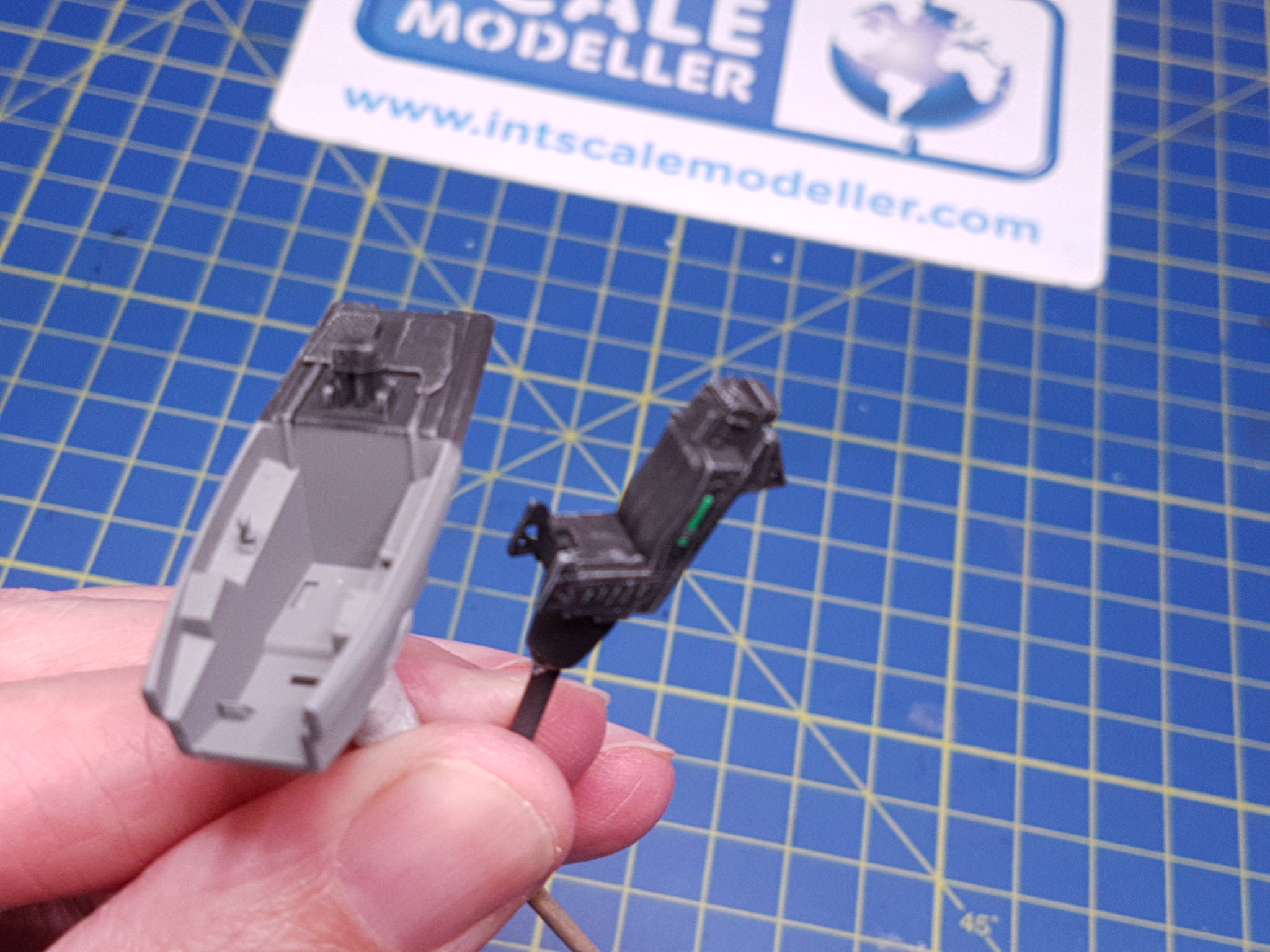
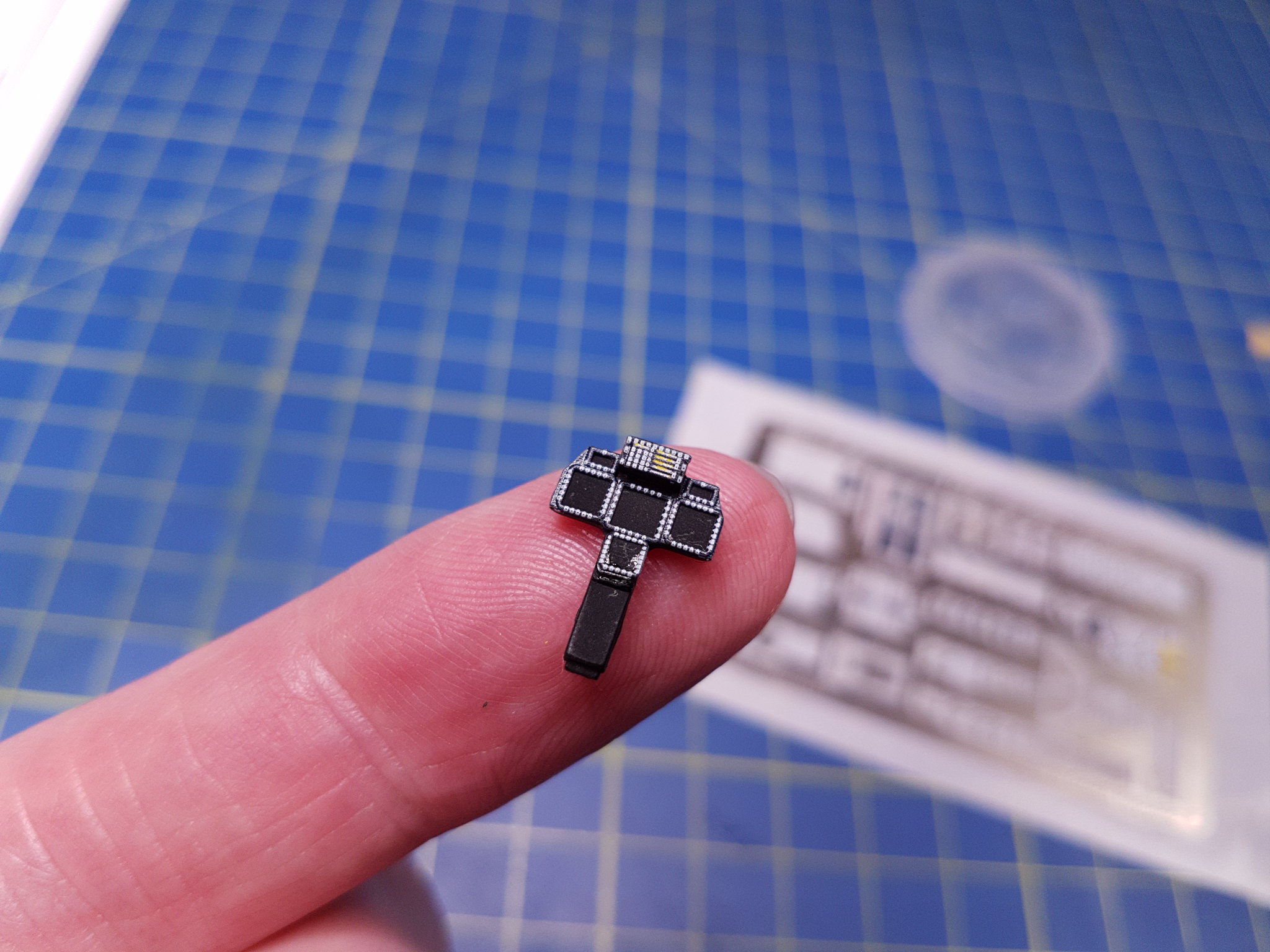
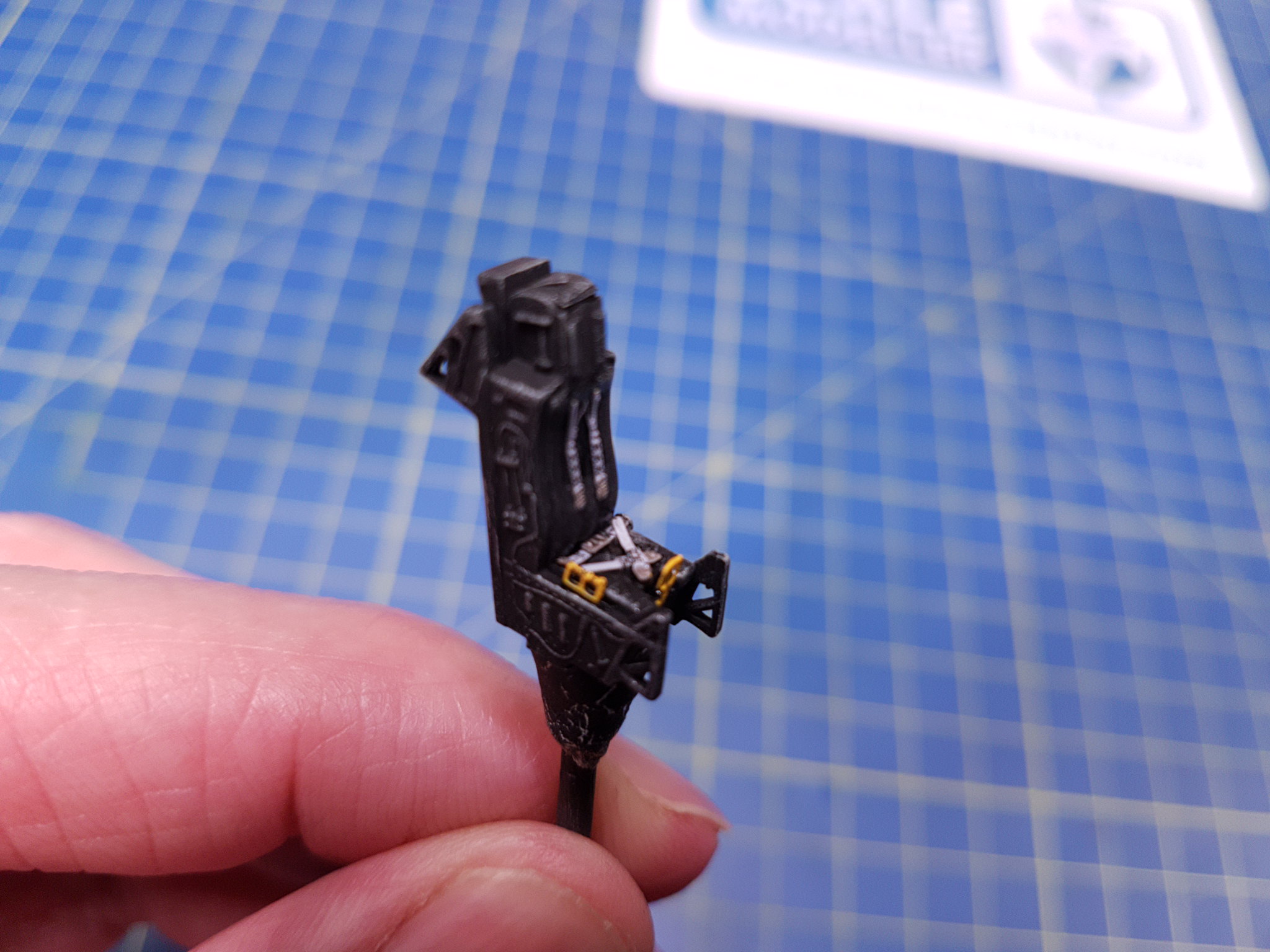
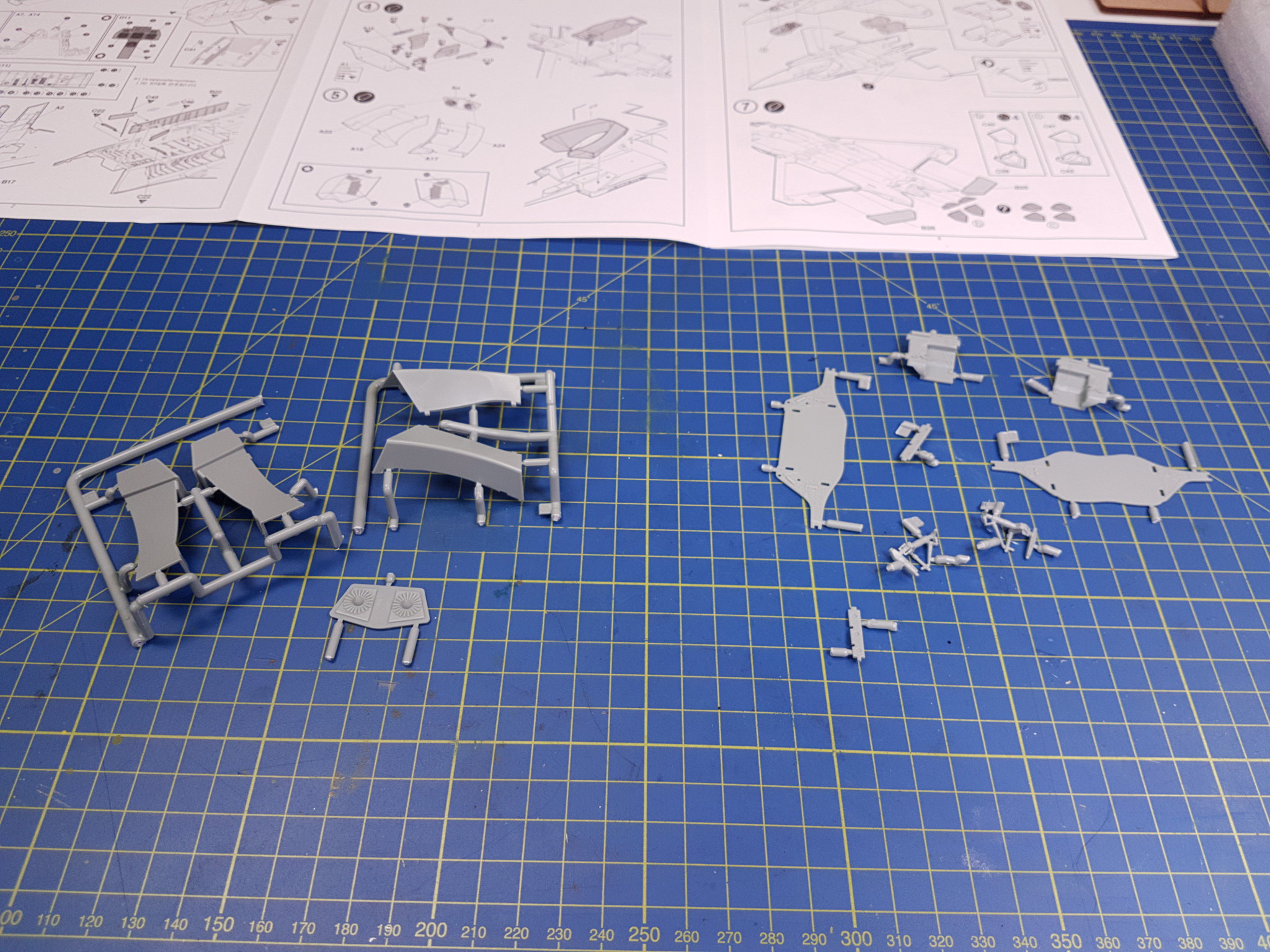
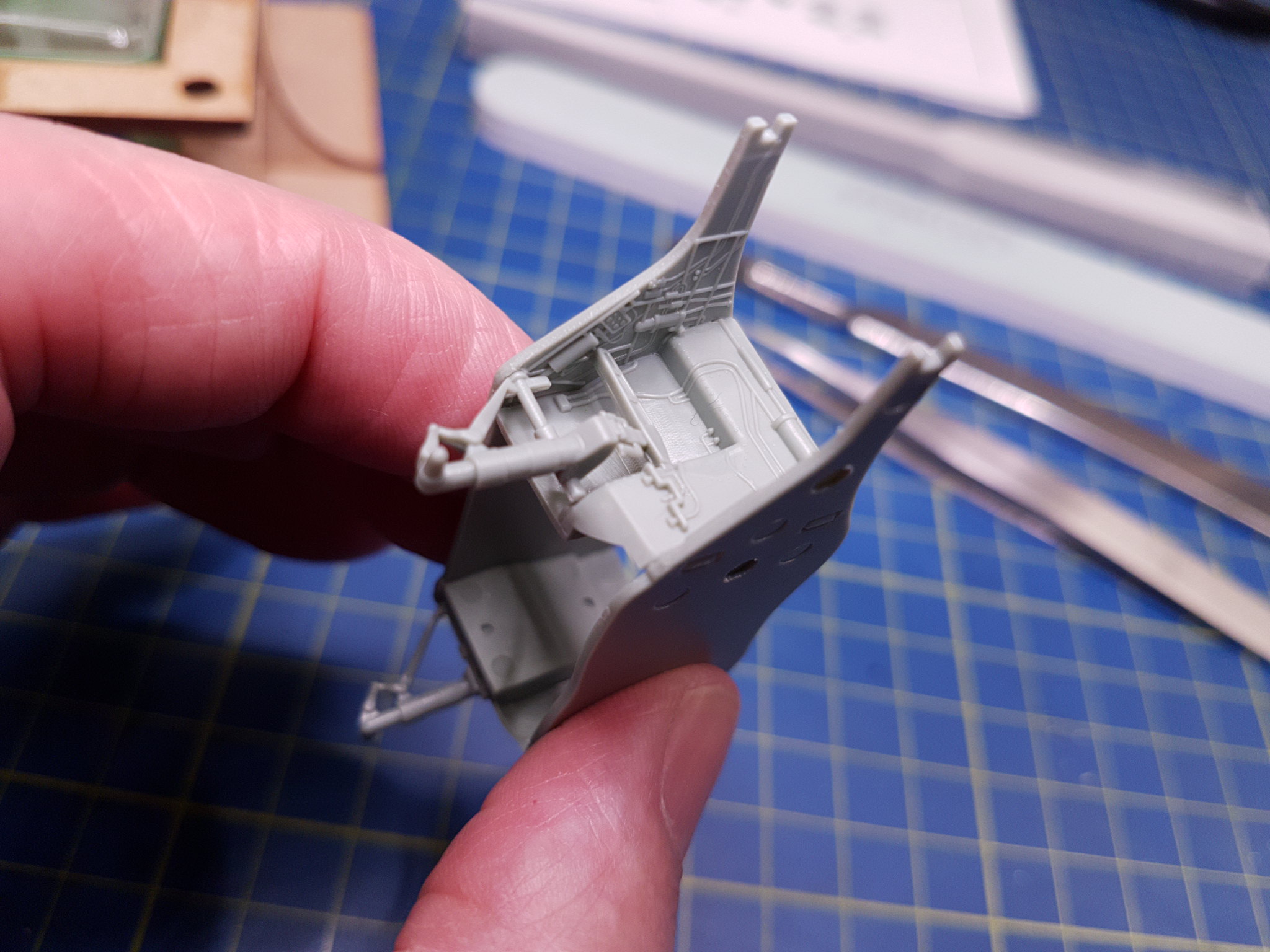
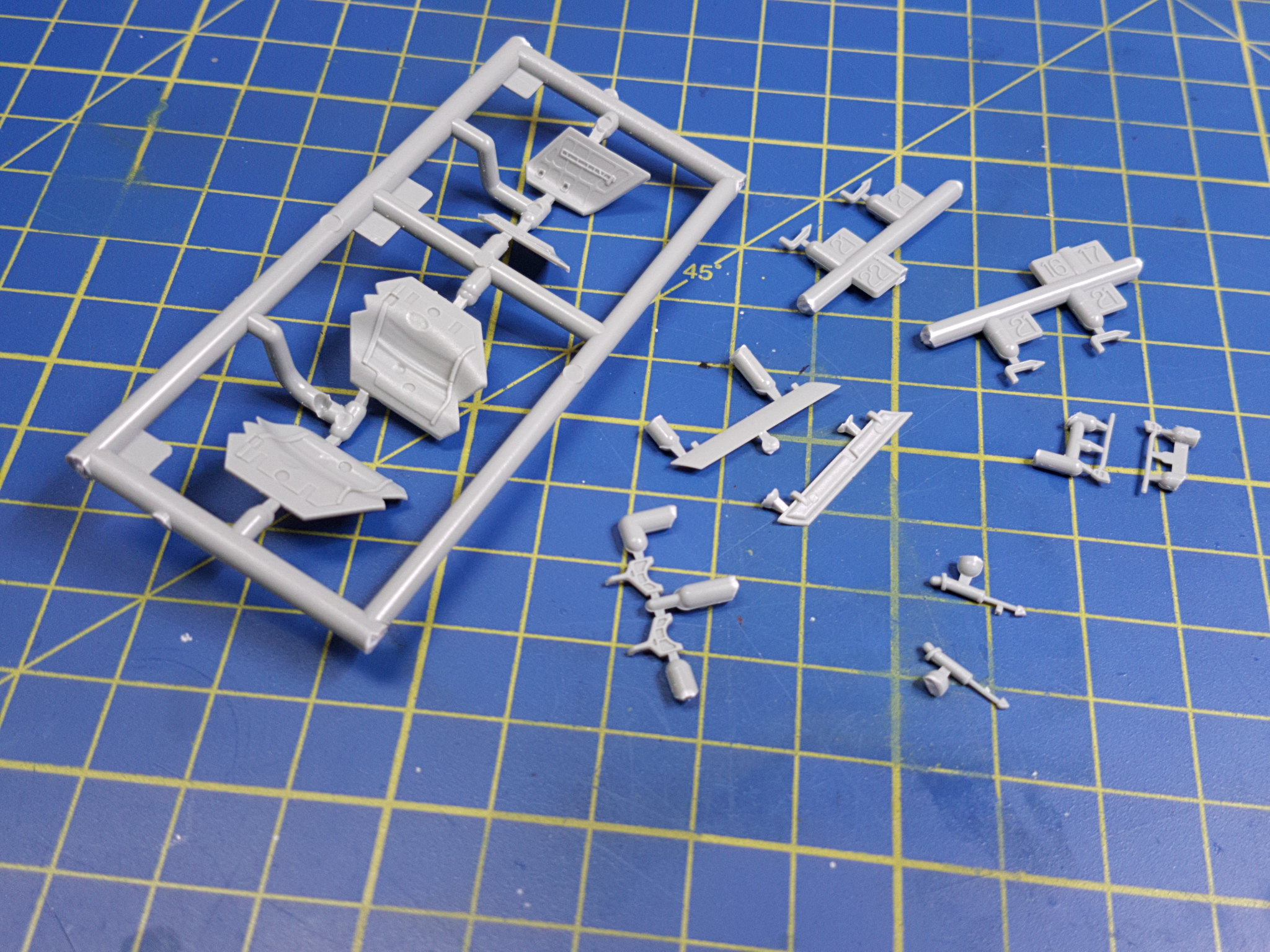
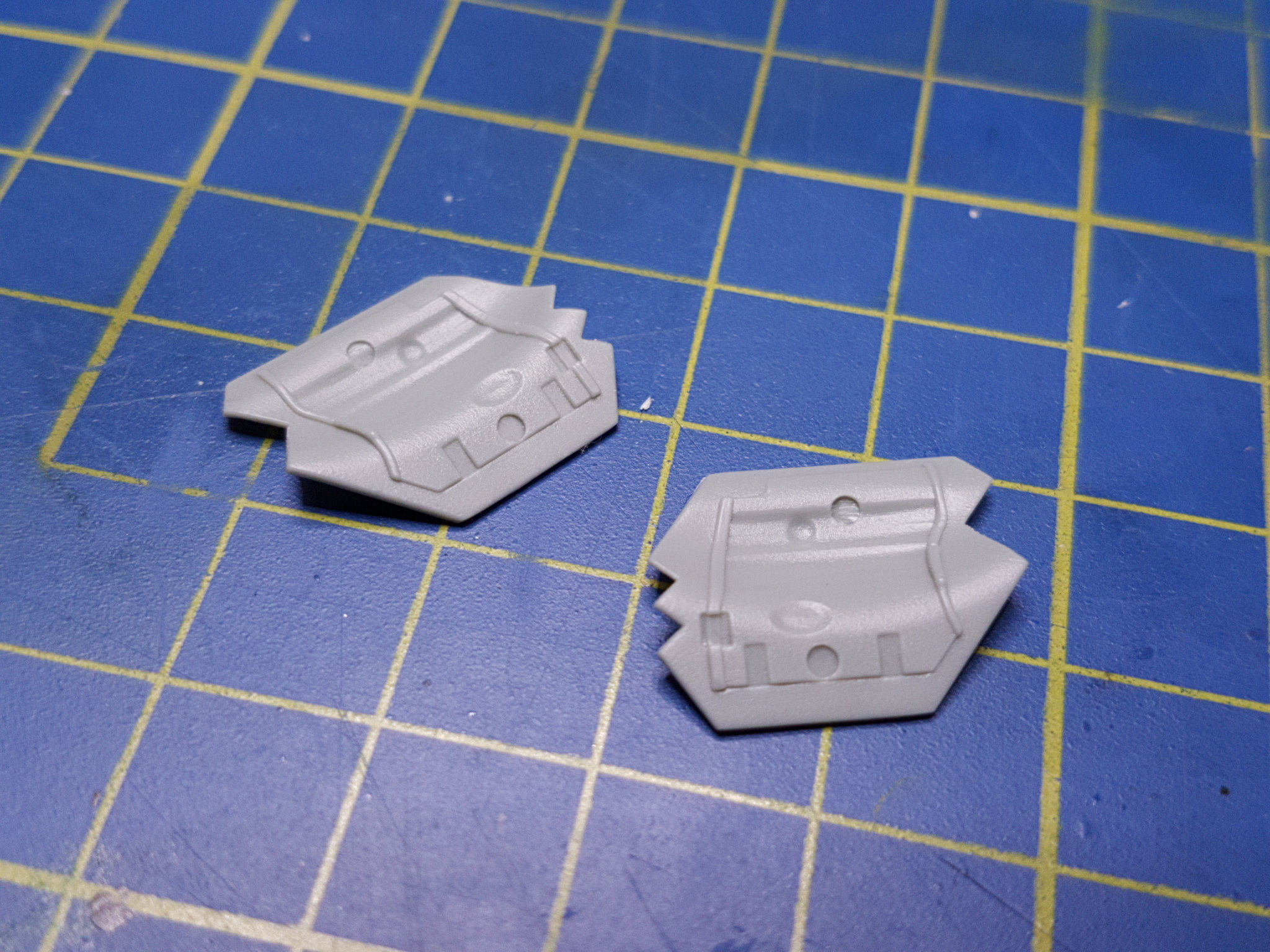
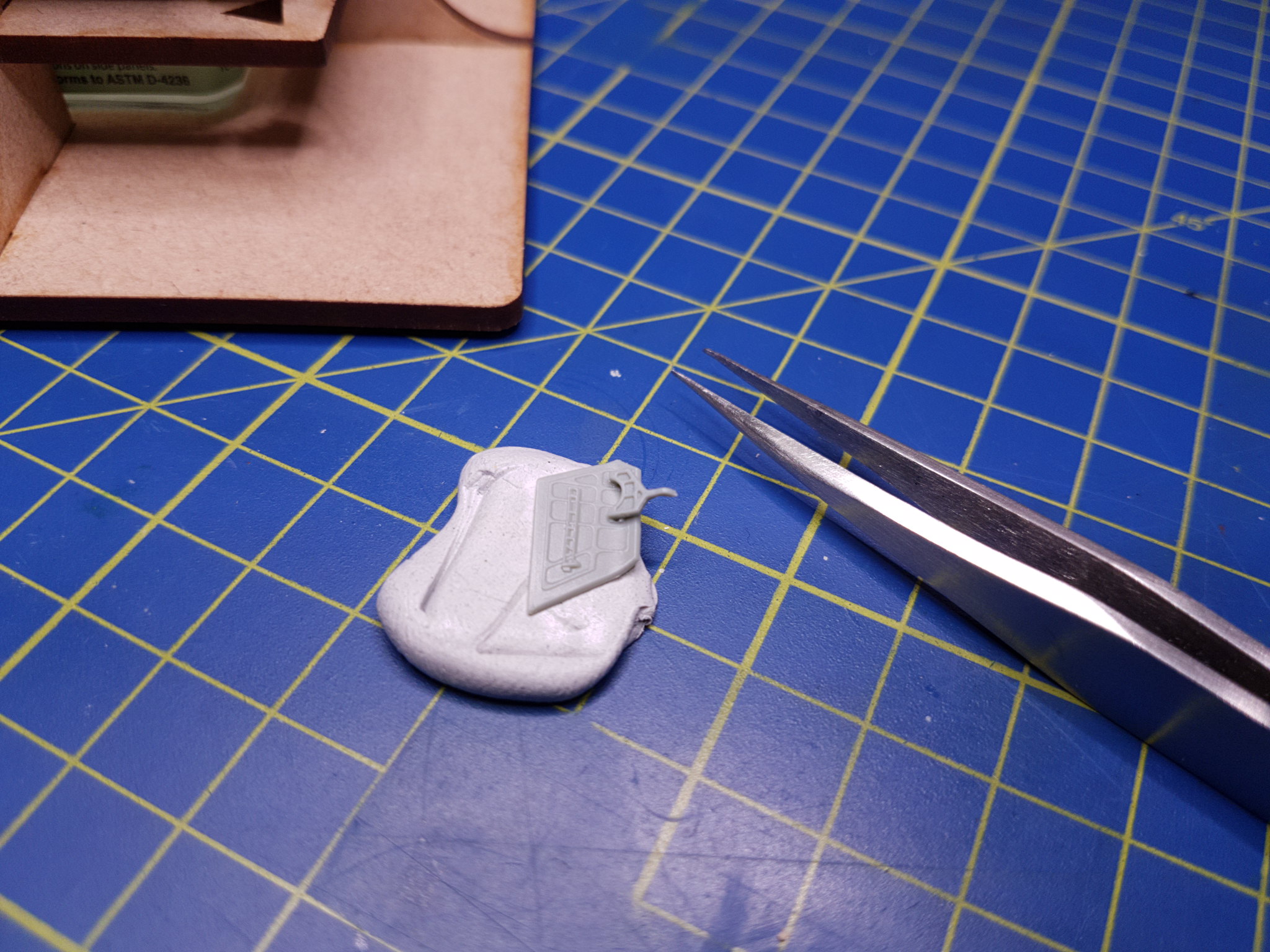
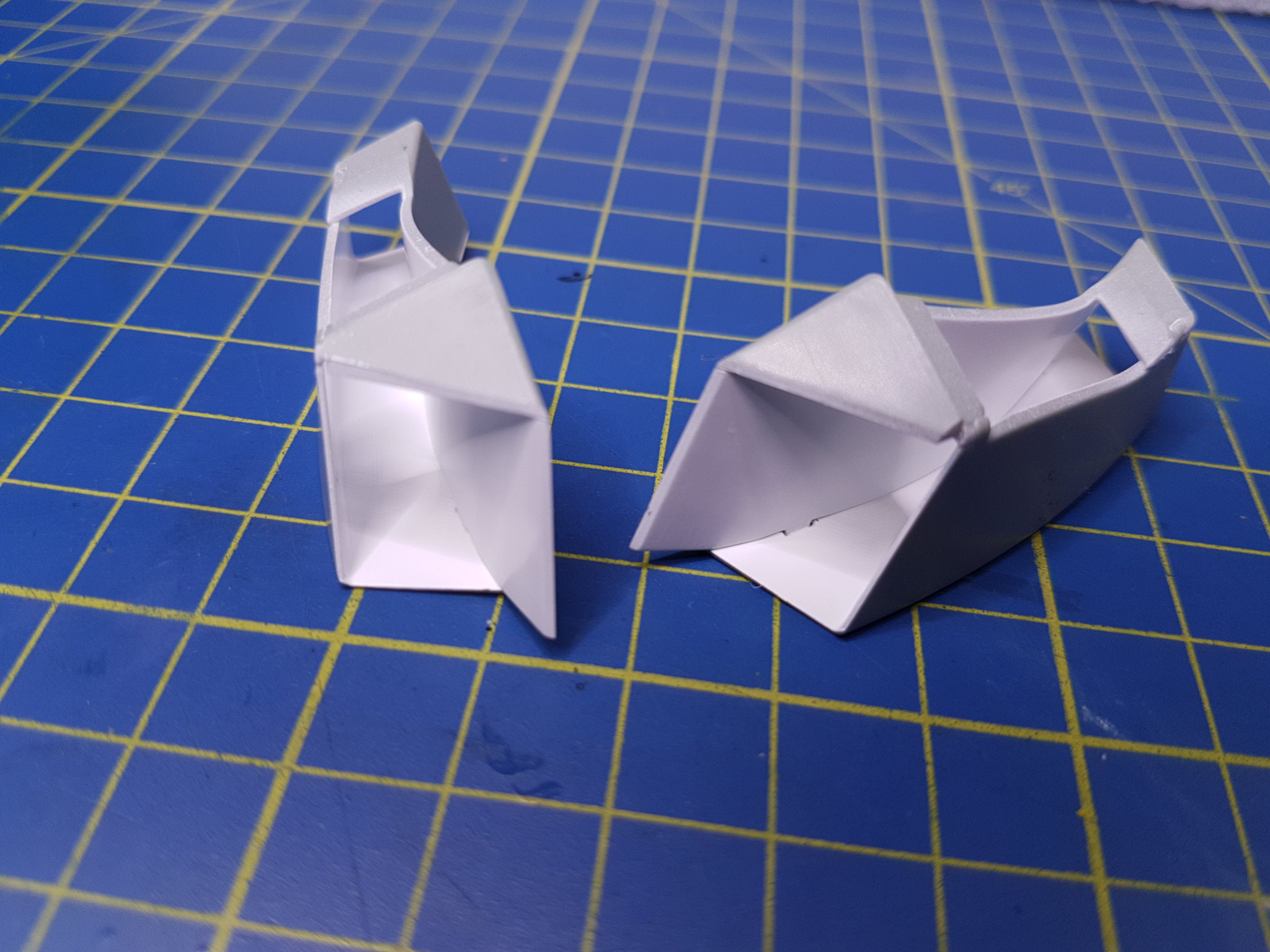
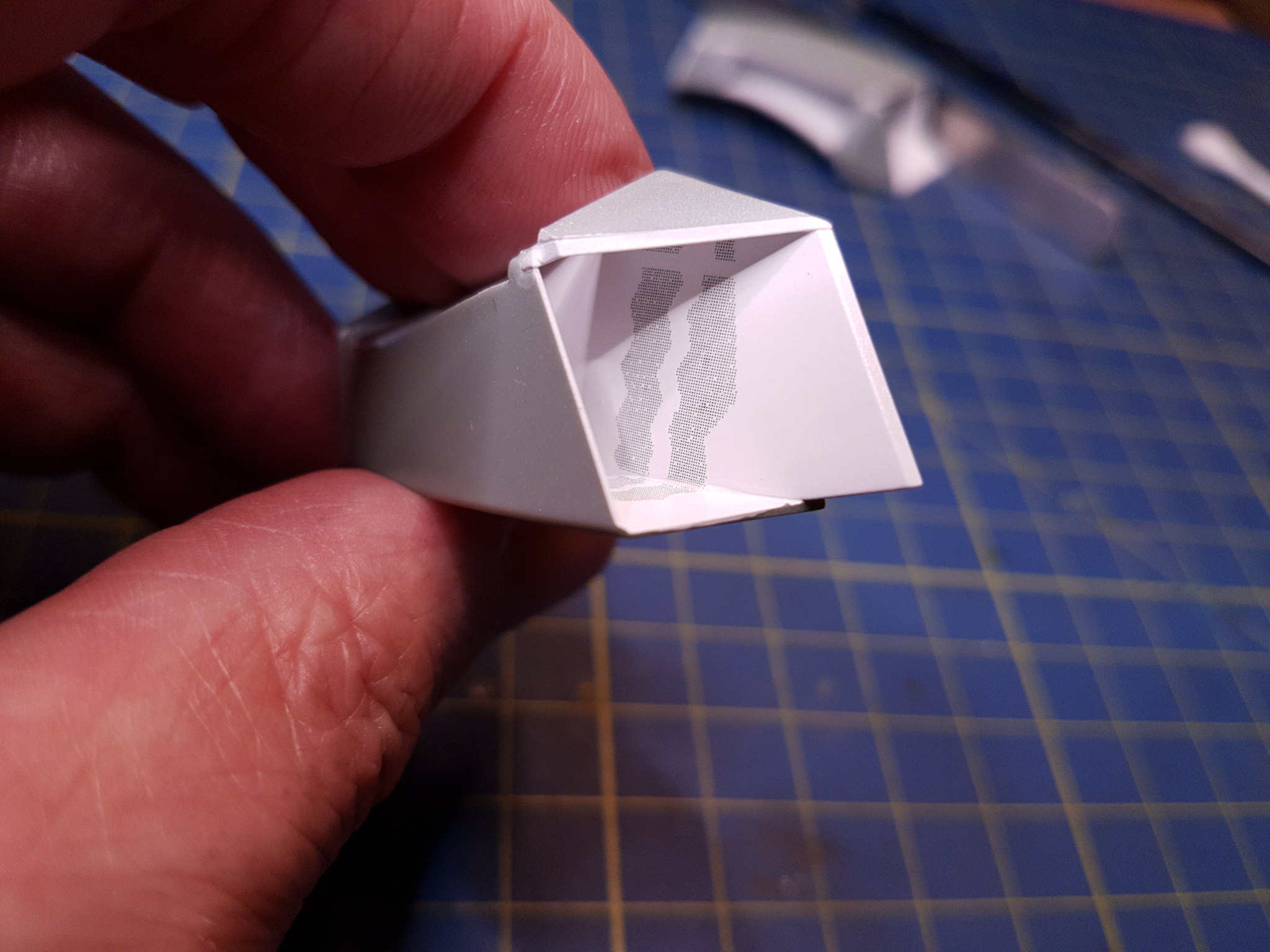
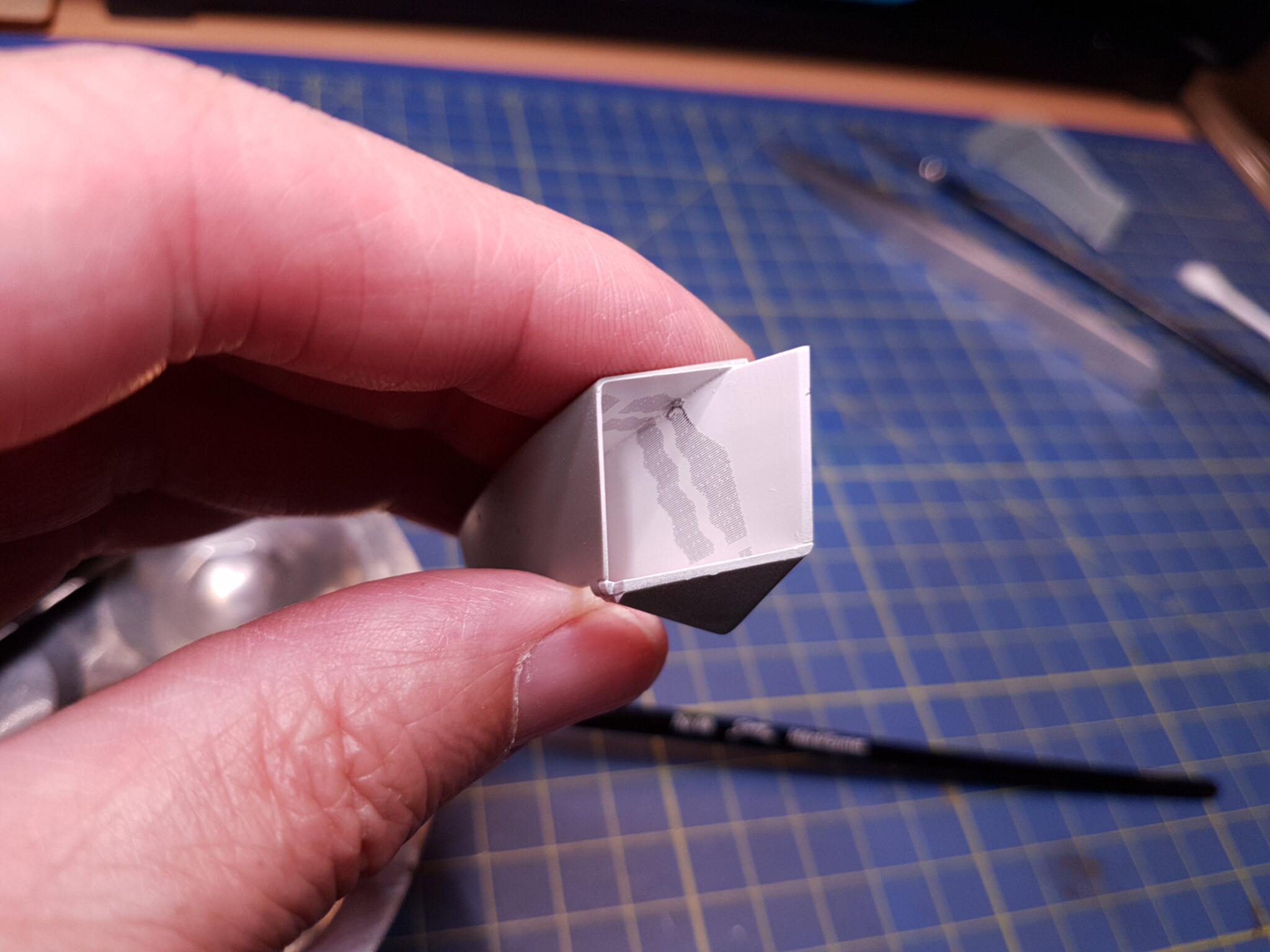
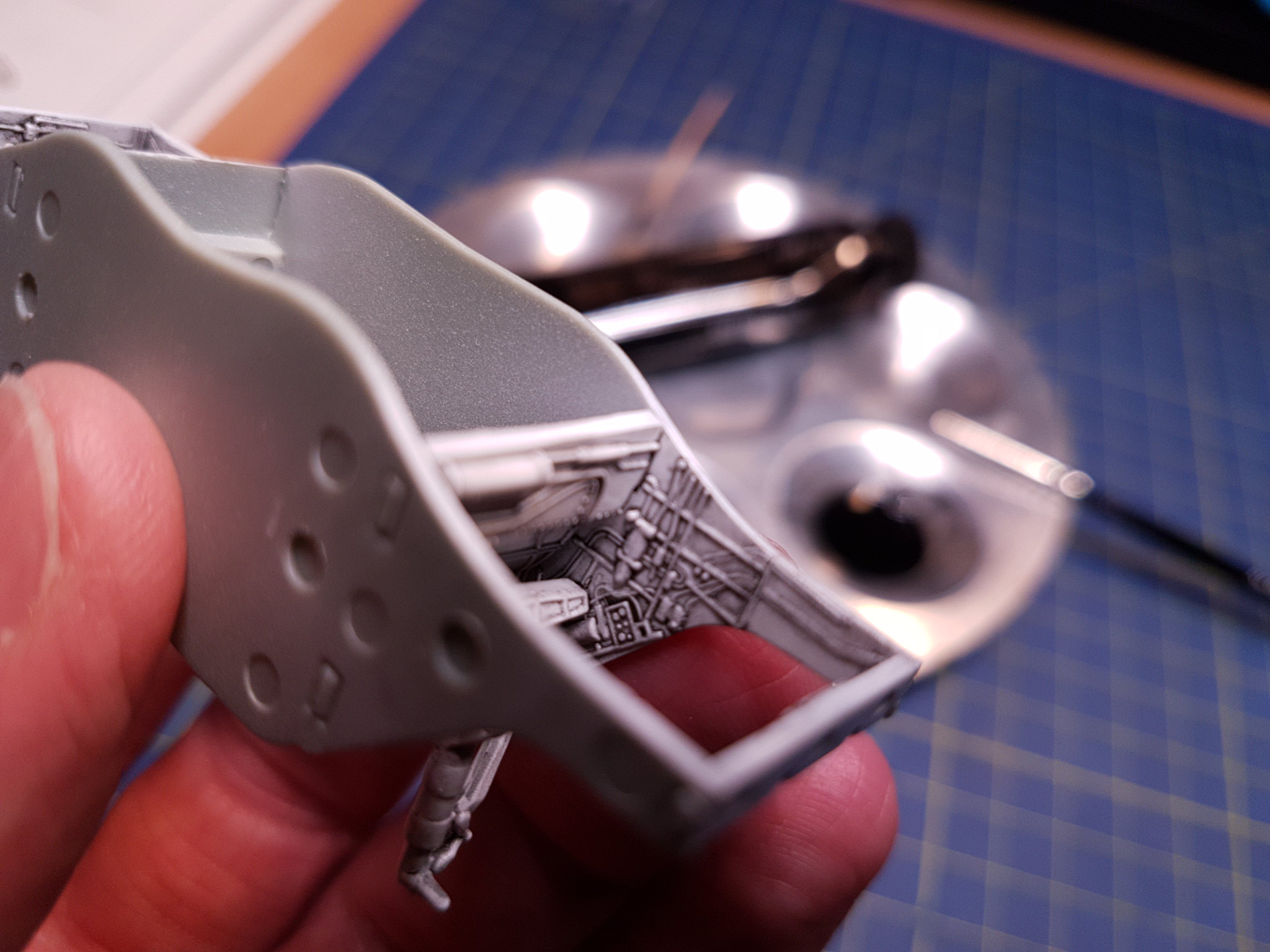
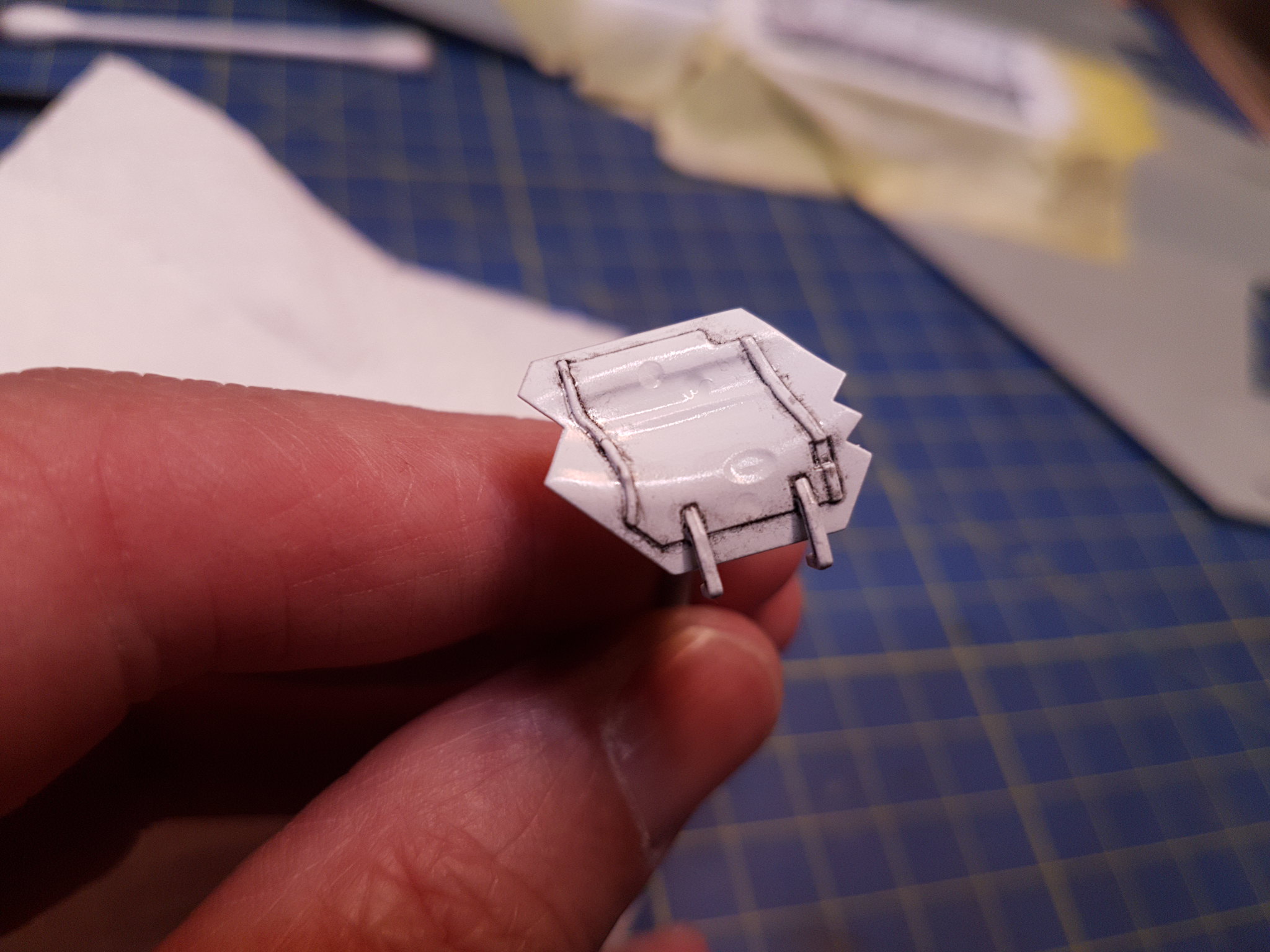
 I mixed up the numbers in the instructions - the part I thought was the throttle is some kind of gizmo that sits behind the headrest of the ejection seat